US Escalates Strikes on Iran Amid ‘Forever War’ Warnings
The United States launched a significant new wave of strikes against Iran early Wednesday morning, escalating military actions in the region. U.S. Central Command confirmed that the operations, which began at 6 a.m. ET, targeted Iran’s coastal defense systems and cruise missile storage facilities on Greater Tunb Island, located in the Persian Gulf near the critical Strait of Hormuz.
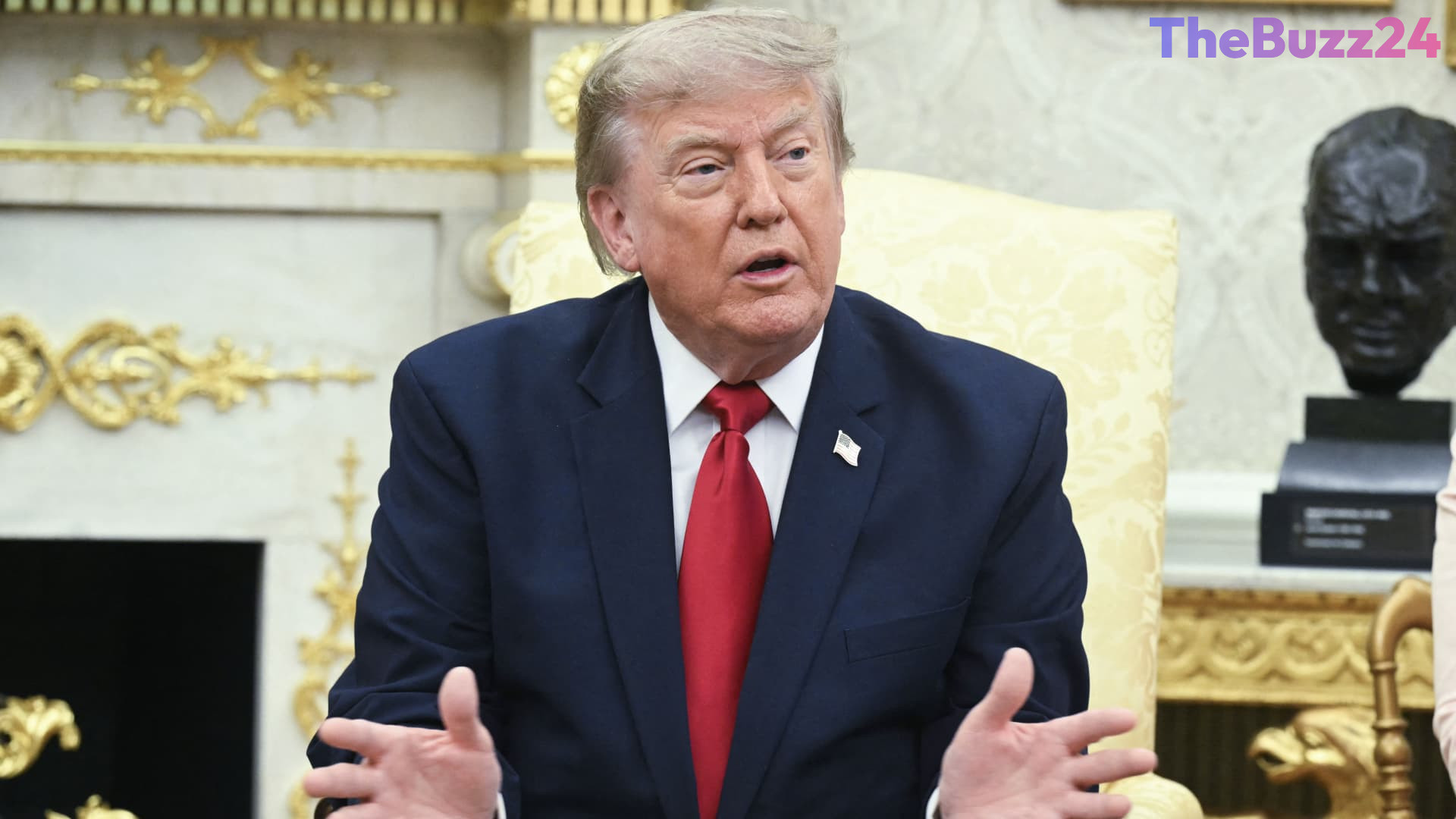
These latest actions follow President Donald Trump’s stern warning that U.S. forces would intensify strikes on Iran in the coming days if diplomatic efforts for peace talks falter. Trump indicated a potential escalation to targeting key Iranian infrastructure, including power plants and bridges, unless Tehran agrees to negotiations. This development comes after a series of U.S. strikes last week, which were a response to attacks on commercial vessels transiting the Strait of Hormuz, a vital global oil shipping route.
Analysts are expressing concerns that the ongoing conflict risks devolving into a protracted and drawn-out confrontation, potentially becoming a ‘forever war.’ Experts suggest that the current trajectory indicates a lack of clear objectives and a difficult path to de-escalation. The situation has introduced significant uncertainty into the global energy markets, with oil prices showing an upward trend due to worries about the security of shipping lanes.
The complexity of the situation is compounded by conflicting messages and the fracturing of a previously agreed-upon ceasefire. The possibility of a negotiated settlement appears increasingly challenging, with experts noting that both sides may be overestimating their leverage. The current environment points towards a prolonged period of low-level conflict and heightened geopolitical risk in the Middle East.
Key Takeaways
- The U.S. has launched new strikes targeting Iranian coastal defense and missile sites.
- President Trump has threatened further escalation, including infrastructure attacks, if Iran does not negotiate.
- Analysts warn the conflict could become a prolonged 'forever war' with implications for global oil prices and regional stability.
Editor’s Analysis & Impact
This escalation in U.S.-Iran hostilities signals a dangerous turn, potentially trapping the region in a prolonged conflict that benefits no party. The targeting of critical infrastructure, if it occurs, could have severe repercussions for global energy supplies and further destabilize an already volatile region. The lack of a clear endgame and the rhetoric from both sides suggest a difficult path to de-escalation. The risk of a ‘forever war’ scenario is palpable, underscoring the urgent need for robust diplomatic engagement to prevent further bloodshed and economic disruption. The international community must find ways to foster dialogue and avoid a wider conflagration.
Frequently Asked Questions
Q: What is the Strait of Hormuz?
A: The Strait of Hormuz is a narrow waterway connecting the Persian Gulf to the Gulf of Oman and the open sea. It is one of the world's most important oil transit points, with a significant portion of global oil supply passing through it.
Q: What are the potential consequences of increased conflict in the Strait of Hormuz?
A: Increased conflict in the Strait of Hormuz could lead to disruptions in global oil supplies, causing significant spikes in oil prices. It also raises the risk of a broader regional war, with potential impacts on international trade, security, and diplomatic relations.
Q: What is meant by a 'forever war' in this context?
A: The term 'forever war' refers to a protracted, seemingly endless conflict with no clear resolution in sight. In this context, it suggests a prolonged period of low-level hostilities, skirmishes, and geopolitical tension rather than a decisive war with a defined end.
AI Disclosure: This article is based on verified data and official reports. Our Team and AI have cross-referenced every financial detail with primary sources to ensure total accuracy.
More from this Category