US Implements Strict Import Ban on Foreign Humanoid Robots and Solar Inverters Over Security Concerns
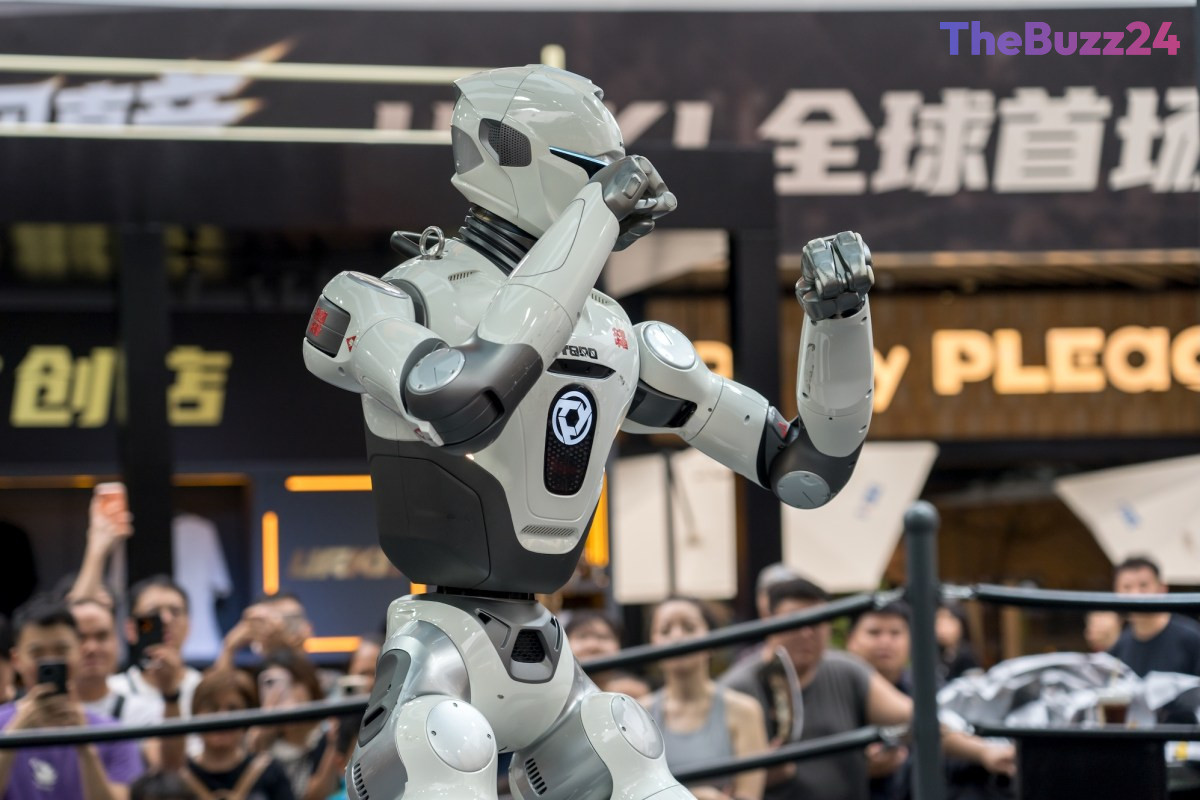
In a decisive move to safeguard national infrastructure, the federal government has enacted a ban on the import of new foreign-made humanoid robots, robotic dogs, and power inverters. Officials pointed to escalating cyber vulnerabilities and potential foreign surveillance as unacceptable risks, directly impacting international manufacturers, particularly those based in China.
The Federal Communications Commission formally introduced the restriction, emphasizing that overseas-manufactured hardware could be vulnerable to remote hijacking or espionage. While upcoming technologies like humanoid automation remain in early commercial stages, power inverters—crucial components for residential and commercial solar setups—are deeply embedded in domestic renewable energy networks. The agency clarified that currently operational devices will remain undisturbed, shielding existing users from immediate disruptions.
This policy represents the latest escalation in a broader campaign to limit reliance on foreign technology hardware, following prior actions against telecommunications gear, surveillance equipment, and social media platforms. Trade tensions continue to mount as international officials condemn the restrictions, promising retaliatory economic safeguards while high-level diplomatic meetings loom on the horizon.
Key Takeaways
- The U.S. government has banned the import of new foreign-made humanoid robots, robot dogs, and solar power inverters.
- The Federal Communications Commission cited significant national security risks, including potential remote surveillance and cyberattack vectors.
- Existing power inverters and robots already installed in homes and businesses will not be affected by the new restriction.
Editor’s Analysis & Impact
The implementation of this import ban marks a critical turning point in the intersection of international trade, renewable energy, and national security. By targeting both emerging robotics and foundational green tech like solar inverters, the government is signaling a zero-tolerance policy toward foreign hardware vulnerabilities. For the domestic renewable energy sector, this policy underscores the urgent need to ramp up local manufacturing of power electronics to avoid supply chain bottlenecks. Meanwhile, the nascent humanoid robotics market will likely see shifted investment toward domestic developers as foreign alternatives are boxed out of the world’s largest consumer economy. As geopolitical friction intensifies, technology supply chains will continue to fracture along national security lines, forcing global enterprises to reevaluate their manufacturing footprints and distribution strategies.
Frequently Asked Questions
Q: Which devices are affected by the new import ban?
A: The ban applies to newly imported foreign-made humanoid robots, robotic dogs, and power inverters used in solar and renewable energy systems.
Q: Are solar power inverters currently installed in homes illegal now?
A: No. The regulatory action only restricts the import of new devices; existing power inverters and robots currently in use remain completely unaffected.
Q: Why did the government implement this ban?
A: Officials cited major national security risks, arguing that foreign-built hardware could potentially be leveraged for cyberattacks, data theft, or remote surveillance.
AI Disclosure: This article is based on verified data and official reports. Our Team and AI have cross-referenced every financial detail with primary sources to ensure total accuracy.
More from this Category