US Navy Seizes Iranian Cargo Vessel Amid Escalating Middle East Tensions
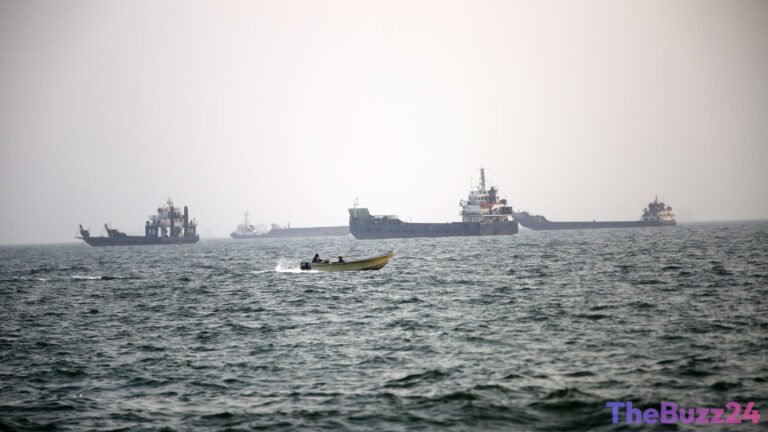
The US Navy has taken control of the Touska, an Iranian-flagged cargo ship, following a maritime confrontation. The vessel, measuring nearly 900 feet, reportedly ignored commands to stop, leading naval forces to disable its engine room. The ship is currently under US custody for cargo inspection, as it was already subject to existing US Treasury sanctions.
This seizure comes at a critical juncture for international diplomacy. While a US delegation, headed by Vice-President JD Vance, is traveling to Pakistan for renewed peace negotiations, the prospects for a resolution remain uncertain. Iranian officials have expressed skepticism regarding the talks, pointing to the US naval blockade and stringent negotiation terms as significant barriers to a successful outcome.
The instability in the Strait of Hormuz continues to disrupt global energy supplies, causing significant fluctuations in oil and gas markets. Recent reports of attacks on international commercial vessels, including those from France and India, have further heightened the risk of a wider conflict. With a ceasefire deadline approaching this Wednesday, the US administration has indicated it will continue to apply military pressure to secure a formal agreement.
Key Takeaways
- The US Navy seized the Iranian-flagged cargo ship Touska after it failed to comply with maritime orders.
- Diplomatic efforts led by Vice-President JD Vance are facing significant resistance from Iranian officials.
- The closure of the Strait of Hormuz is driving volatility in global energy markets.
Editor’s Analysis & Impact
The seizure of the Touska marks a significant escalation in the maritime standoff between the United States and Iran. By moving from sanctions to direct physical interception, the US is signaling a shift toward more aggressive enforcement of its maritime policies. This action, combined with the ongoing blockade of the Strait of Hormuz, places immense pressure on global energy security. The volatility in oil and gas markets is a direct consequence of this geopolitical friction. As the ceasefire deadline nears, the window for a diplomatic solution through the Pakistan talks is narrowing. If the US continues its policy of military pressure without a corresponding diplomatic concession from Tehran, the risk of a localized maritime incident evolving into a broader regional conflict increases substantially.
Frequently Asked Questions
Q: Why was the Touska intercepted?
A: The vessel was intercepted because it was under US Treasury sanctions and failed to comply with orders to stop, leading the US Navy to disable its engines.
Q: How is this affecting global energy?
A: The instability and effective closure of the Strait of Hormuz are causing significant volatility in international oil and gas markets.
Q: What is the current status of peace talks?
A: Peace talks are being attempted via a US delegation in Pakistan, but Iranian officials have expressed doubt about their effectiveness due to the US naval blockade.
AI Disclosure: This article is based on verified data and official reports. Our Team and AI have cross-referenced every financial detail with primary sources to ensure total accuracy.
More from this Category