US Makes Firm Stance Clear: No Russian Economic Relief Until Ukraine Conflict Ends
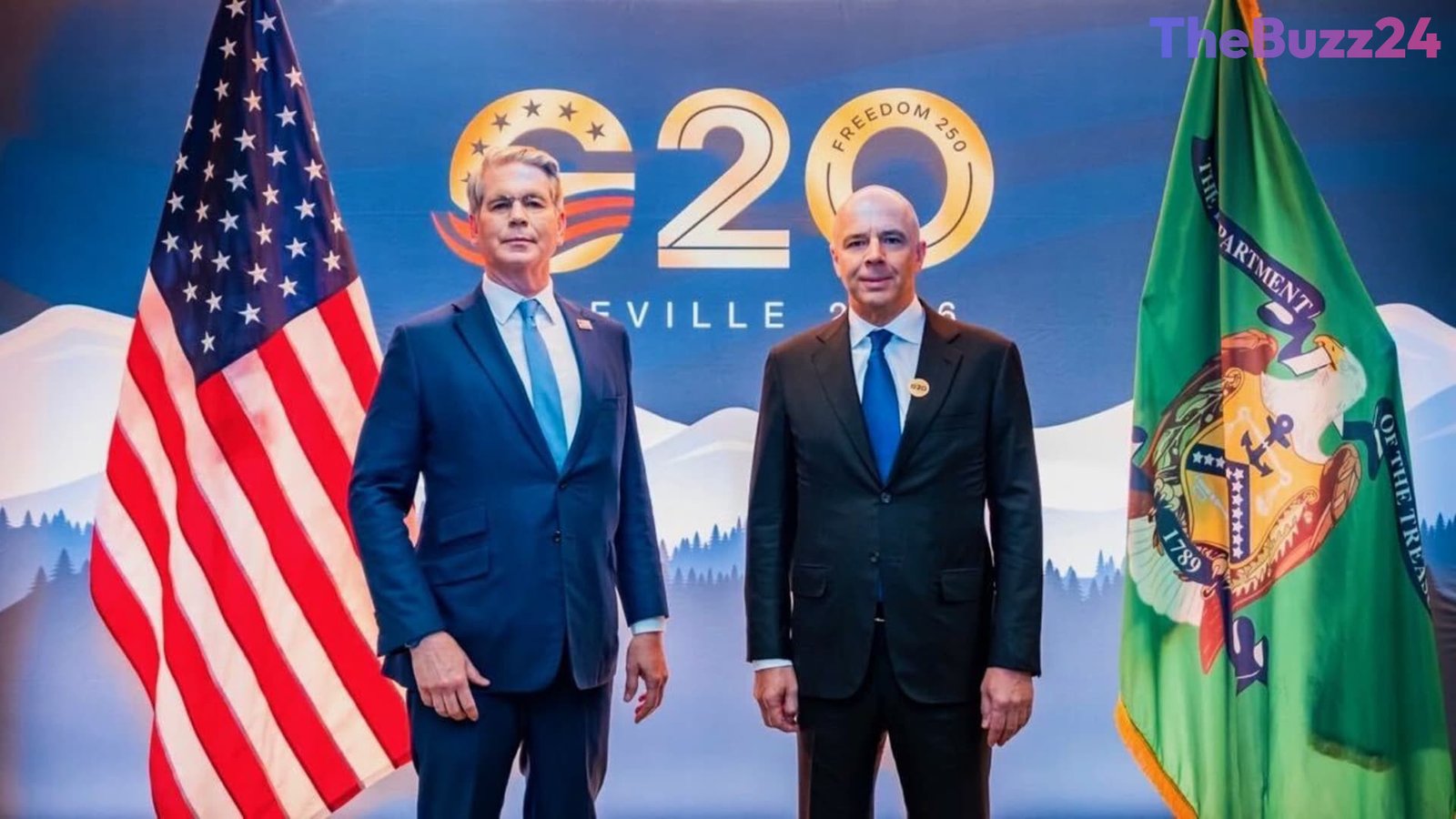
U.S. Treasury Secretary Scott Bessent firmly communicated to Russian Finance Minister Anton Siluanov that any potential sanctions relief or new bilateral agreements remain entirely off the table as long as the military conflict in Ukraine persists. The closed-door discussion took place on the sidelines of the Group of 20 finance ministers and central bank governors meeting hosted in Asheville, North Carolina.
This gathering marked the first in-person attendance by Siluanov at a major G20 summit since the onset of the invasion in 2022, a presence that drew immediate friction from European delegates. While European Union nations have continued pursuing strategies to further isolate Moscow and tighten financial restrictions, Washington’s willingness to engage in direct dialogue signals a distinct diplomatic pivot by the U.S. administration.
During the discussions, which also touched upon President Donald Trump’s ongoing diplomatic framework for resolving the Ukraine crisis, Bessent reiterated that cooperative economic ventures are impossible under current conditions. Meanwhile, Russian state representatives framed the conversation as an effort to maintain constructive financial dialogue within the broader G20 mechanism. The diplomatic friction was further highlighted when European leaders notably boycotted the traditional summit group photograph to protest Siluanov’s attendance.
Key Takeaways
- U.S. Treasury Secretary Scott Bessent met with Russian Finance Minister Anton Siluanov at the G20 gathering in North Carolina.
- Bessent made it clear that Washington will not grant sanctions relief or pursue economic agreements while the war in Ukraine continues.
- The meeting exposed strategic differences between the U.S., which engaged in direct talks, and European allies advocating for Russia's continued diplomatic isolation.
Editor’s Analysis & Impact
The unexpected direct engagement between U.S. and Russian financial officials at the G20 summit highlights a subtle yet significant shift in Washington’s diplomatic posture. While European leadership remains steadfast in its policy of total economic and diplomatic isolation toward Moscow, the current U.S. administration appears willing to test open communication channels, particularly concerning prospective peace frameworks. However, by strictly conditioning any normalization or sanctions relief on the cessation of hostilities in Ukraine, the U.S. ensures that its core strategic demands remain non-negotiable. This duality could create friction within Western alliances, as European partners grow increasingly wary of unilateral diplomatic overtures that bypass collective punitive measures against the Kremlin. Looking ahead, financial markets and geopolitical analysts will closely monitor whether these preliminary high-level contacts can evolve into substantive diplomatic traction or if they will merely expose deeper fissures within the coalition supporting Ukraine.
Frequently Asked Questions
Q: What was the main message delivered by U.S. Treasury Secretary Scott Bessent to Russia?
A: Bessent stated clearly that no sanctions relief or new economic agreements will be considered by Washington until the war in Ukraine officially concludes.
Q: Where did the meeting between Bessent and Russian Finance Minister Anton Siluanov take place?
A: The two officials met on the sidelines of the Group of 20 finance leaders' summit held in Asheville, North Carolina.
Q: How did European officials react to the Russian finance minister's presence at the G20 summit?
A: European leaders strongly objected to Siluanov's in-person attendance and ultimately boycotted the traditional summit group photograph.
AI Disclosure: This article is based on verified data and official reports. Our Team and AI have cross-referenced every financial detail with primary sources to ensure total accuracy.
More from this Category