US Set to Remove Rwanda and South Africa from Key Trade Program
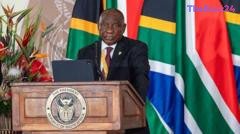
The United States is preparing to remove South Africa and Rwanda from the African Growth and Opportunity Act (Agoa), a significant trade preference program, effective January 1, 2027. This decision, announced by the Trump administration, follows an annual review that identified practices inconsistent with the program’s eligibility requirements in both nations.
According to a statement from US Trade Representative Jamieson Greer, the administration cited various reasons for the proposed termination. For South Africa, concerns over corruption were highlighted, while Rwanda faced scrutiny regarding barriers to US trade and investment, national security interests, foreign policy considerations, human rights, political pluralism, the rule of law, and workers’ rights. The US Treasury also recently imposed sanctions on Rwanda’s defense ministry for its alleged involvement with M23 rebels in eastern Democratic Republic of Congo.
These actions signal a potential shift in trade relations between the US and these African nations. The Agoa program allows eligible countries to export thousands of products to the US without tariffs, making its removal a substantial economic blow. The US Trade Representative’s office emphasized that the administration is committed to working with African partners to meet the necessary criteria for continued eligibility, suggesting that the decision is not necessarily final if corrective actions are taken.
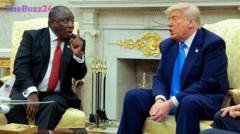
The announcement comes amidst already strained diplomatic ties. In the past, former President Trump has publicly voiced strong opinions regarding South Africa’s policies, further complicating the relationship. The potential termination from Agoa underscores the importance of adhering to the program’s stipulated conditions and maintaining constructive dialogue on trade and policy matters.
Key Takeaways
- South Africa and Rwanda are slated for removal from the US Agoa trade program starting January 1, 2027.
- Reasons cited include corruption in South Africa and trade barriers, human rights, and security concerns in Rwanda.
- The US aims to encourage partner countries to meet eligibility criteria, indicating potential for reversal if corrective actions are taken.
Editor’s Analysis & Impact
The impending removal of South Africa and Rwanda from the Agoa program represents a significant development in US-Africa trade relations. This move could have considerable economic repercussions for both nations, impacting their export sectors and overall trade balance with the United States. The stated reasons, ranging from corruption to human rights and trade barriers, reflect a broader US policy trend of linking trade benefits to specific governance and economic practices. This decision may prompt other Agoa beneficiaries to reassess their own policies to ensure continued access to the preferential trade scheme. It also highlights the complex geopolitical considerations that underpin international trade agreements, particularly in regions of strategic interest to the US.
Frequently Asked Questions
Q: What is the African Growth and Opportunity Act (Agoa)?
A: Agoa is a United States trade act that provides eligible sub-Saharan African countries with preferential access to the US market. It allows them to export thousands of products to the US duty-free, aiming to stimulate economic growth and development in the region.
Q: What are the consequences of being removed from Agoa?
A: Removal from Agoa means that eligible countries will lose their duty-free access to the US market for thousands of products. This can lead to increased costs for exporters, potentially making their goods less competitive and negatively impacting their trade volumes and the economies of the affected countries.
Q: Can South Africa and Rwanda be reinstated in Agoa?
A: The US administration has indicated that it is working with African partners to meet eligibility criteria. This suggests that if South Africa and Rwanda take the necessary steps to address the concerns raised by the US regarding trade practices, human rights, corruption, and other issues, there may be a possibility for their reinstatement in the program.
AI Disclosure: This article is based on verified data and official reports. Our Team and AI have cross-referenced every financial detail with primary sources to ensure total accuracy.
More from this Category