Tensions Flare: US Strikes Iranian Boats Amidst UAE Oil Facility Attack
The Strait of Hormuz has become a flashpoint for escalating tensions between the United States and Iran, with reports of US forces striking seven Iranian fast boats and an attack on a United Arab Emirates (UAE) oil facility. President Donald Trump announced the US military action, stating it was part of an effort to clear the vital waterway for stranded vessels. This development follows a series of incidents that have disrupted shipping in the strategically important Gulf region.
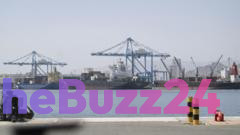
The UAE reported that its oil port of Fujairah experienced a significant fire after an Iranian attack, an event that has drawn international condemnation. South Korea also confirmed an explosion on one of its ships anchored near the UAE coast. These incidents have raised concerns about the security of global energy supplies, as the Strait of Hormuz is a critical chokepoint for approximately 20% of the world’s oil and liquefied natural gas.
Amidst these events, shipping giant Maersk confirmed that one of its US-flagged vessels, the Alliance Fairfax, successfully navigated out of the Gulf under US military escort as part of what the US administration calls “Project Freedom.” This initiative aims to assist commercial ships that have been held up due to the ongoing maritime disputes. However, Iranian officials have dismissed the US efforts, with Foreign Minister Abbas Araghchi suggesting that “Project Freedom is Project Deadlock” and that there is no military solution to the political crisis.
Further complicating the situation, Iranian state media has offered a different account of the US military engagement, claiming that two cargo vessels were hit instead of fast boats, resulting in civilian casualties. The US military has denied Iranian claims of firing warning shots at a US warship. The conflicting reports underscore the volatile nature of the situation and the challenges in verifying events in the contested waterway. The attacks have also led to a surge in oil prices, with Brent crude surpassing $115 a barrel.
Key Takeaways
- The US military struck seven Iranian fast boats in the Strait of Hormuz amidst an attack on a UAE oil facility.
- The UAE reported a fire at its Fujairah oil port following an Iranian attack, raising concerns about global energy security.
- US initiative 'Project Freedom' facilitated the exit of a Maersk vessel from the Gulf, though Iran disputes the effectiveness of US actions.
Editor’s Analysis & Impact
The recent escalation in the Strait of Hormuz, marked by US strikes on Iranian boats and attacks on UAE infrastructure, highlights the precarious geopolitical situation in the Persian Gulf. The disruption to shipping and the subsequent rise in oil prices underscore the region’s critical role in global energy markets. The conflicting narratives from the US and Iran suggest a deep-seated mistrust and a potential for further miscalculation. International efforts to de-escalate the situation are crucial to prevent a wider conflict that could have severe economic repercussions worldwide. The effectiveness and long-term viability of initiatives like ‘Project Freedom’ remain to be seen, especially in the face of ongoing political and military posturing.
Frequently Asked Questions
Q: What is the Strait of Hormuz and why is it important?
A: The Strait of Hormuz is a narrow waterway connecting the Persian Gulf to the Gulf of Oman and the open sea. It is a critical chokepoint for global oil transportation, with approximately 20% of the world's total daily oil consumption passing through it.
Q: What is 'Project Freedom'?
A: 'Project Freedom' is an initiative announced by the US administration to help stranded ships navigate safely out of the Strait of Hormuz and the Persian Gulf, often with military escort, amidst heightened tensions.
Q: What were the reported consequences of the attacks?
A: The attacks led to a fire at the UAE's Fujairah oil port, injuries in Oman, and a surge in global oil prices. There were also conflicting reports regarding the US military's engagement with Iranian boats and potential civilian casualties.
AI Disclosure: This article is based on verified data and official reports. Our Team and AI have cross-referenced every financial detail with primary sources to ensure total accuracy.
More from this Category