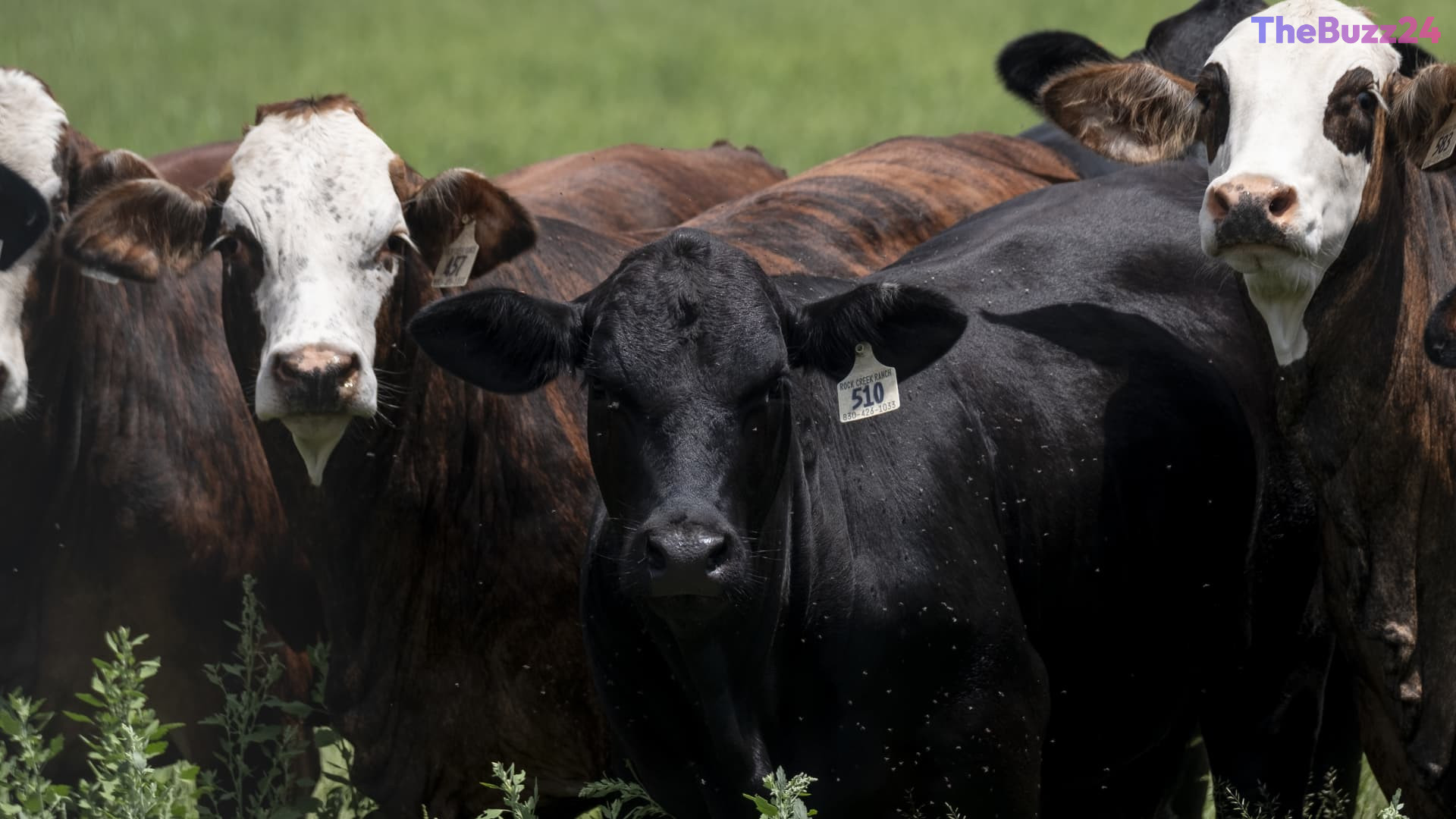
USDA Mobilizes Against New World Screwworm Outbreak in Texas
Federal agricultural authorities have confirmed additional cases of the New World screwworm in Texas, marking the first domestic appearance of the parasitic pest in decades. Despite the discovery of four total cases—including infections in a calf and a dog—the U.S. Department of Agriculture (USDA) maintains that the national food supply remains secure. The parasite, which consists of fly larvae that burrow into the flesh of warm-blooded animals, is being treated as a significant agricultural concern rather than a food safety crisis.
To combat the spread, the USDA has initiated a large-scale eradication strategy modeled after successful efforts from the 1950s. This approach involves the aerial and ground-based release of approximately 10 million sterile flies per week to disrupt the pest’s reproductive cycle. Secretary of Agriculture Brooke Rollins emphasized that the government is committing over $1 billion to push the infestation back into Mexico and eventually eliminate the threat entirely, echoing the historical success of previous eradication programs.
The response has not been without internal friction, as some Texas state officials have voiced concerns regarding the speed of the federal intervention. In response to these criticisms, the USDA has doubled down on its current operational pace, noting that the appointment of John Bellinger as a senior advisor for screwworm preparedness signals a high-level commitment to containment. While the parasite poses a legitimate risk to livestock, wildlife, and domestic pets, officials stress that it does not infest food products like meat or produce, and they remain confident in their ability to contain the outbreak.
Key Takeaways
- The USDA has confirmed four cases of the New World screwworm in Texas, the first such occurrence in the U.S. since the 1960s.
- Federal authorities are deploying 10 million sterile flies weekly to suppress the population and prevent further spread.
- Officials confirm that the parasite does not contaminate the food supply, as it only affects living warm-blooded animals.
Editor’s Analysis & Impact
The re-emergence of the New World screwworm represents a significant logistical and economic challenge for the U.S. livestock industry. While the current number of cases is low, the parasite’s potential for rapid proliferation necessitates an aggressive and costly federal response. The industry impact is primarily centered on animal welfare and the potential for trade disruptions if the pest is not contained quickly. By leveraging the proven ‘sterile insect’ technique, the USDA is attempting to avoid long-term economic damage to the agricultural sector. However, the political friction between state and federal officials highlights the sensitivity of border-related agricultural threats. The future outlook depends heavily on the efficacy of the current containment strategy; if the eradication efforts fail to show immediate results, we may see increased pressure on supply chains and heightened regulatory scrutiny at the border.
Frequently Asked Questions
Q: Is the U.S. food supply at risk due to the screwworm?
A: No. The USDA has stated that the screwworm does not infest meat, fruits, or vegetables, and the food supply remains safe.
Q: How is the government fighting the screwworm?
A: The government is using a proven method from the 1950s that involves releasing millions of sterile flies to disrupt the breeding cycle of the parasite.
AI Disclosure: This article is based on verified data and official reports. Our Team and AI have cross-referenced every financial detail with primary sources to ensure total accuracy.
More from this Category