Rising Fuel Costs Trigger Shift in Used Vehicle Market Dynamics
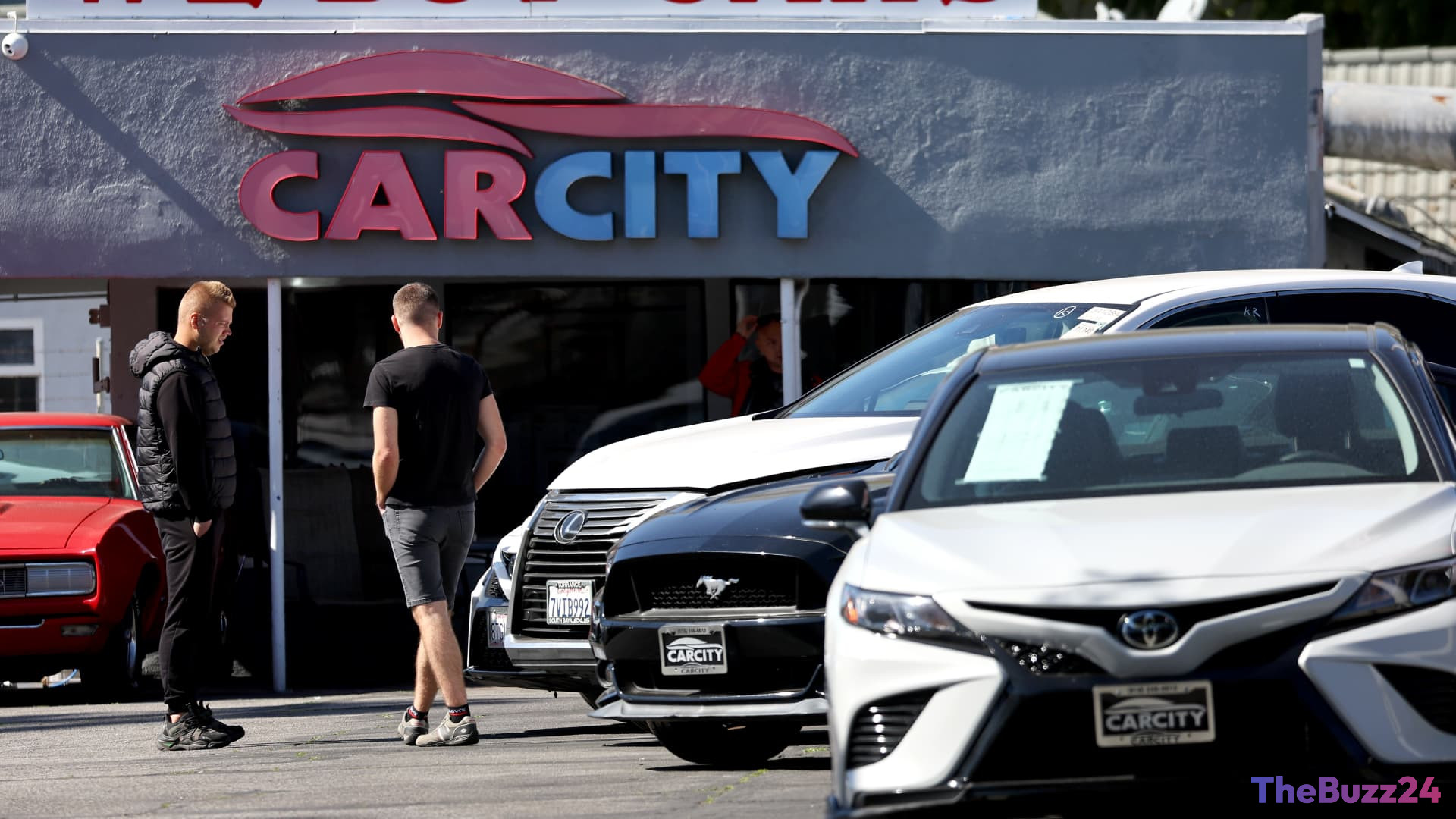
The automotive sector witnessed a significant turning point in April as used vehicle prices experienced their first monthly decline since October. This cooling trend reflects a broader adjustment in consumer behavior, driven largely by the escalating cost of gasoline. As fuel prices reach new annual highs, household budgets are under increasing pressure, forcing buyers to reconsider their priorities and shift away from traditional, fuel-heavy vehicle segments.
Wholesale data reveals a 1.6% drop in used vehicle prices during April. While current valuations remain elevated compared to the previous year, this downward trajectory suggests a fundamental change in market momentum. Analysts attribute the surge in energy costs to ongoing geopolitical instability, which has caused gasoline prices to climb nearly 50% since late February. This reduction in discretionary income is compelling consumers to seek more economical alternatives to manage the rising costs of vehicle ownership.
In response to these economic pressures, there has been a notable resurgence in interest surrounding all-electric vehicles. Although EVs often carry higher initial price tags, the promise of long-term savings on fuel is proving increasingly attractive to cost-conscious buyers. As the industry adjusts to these changing preferences, retail pricing is expected to follow wholesale trends, potentially offering consumers more competitive options across the used car market in the coming months.
Key Takeaways
- Used vehicle wholesale prices saw a 1.6% decline in April, ending a months-long streak of increases.
- Surging gasoline prices are acting as a catalyst for changing consumer purchasing habits.
- Demand for used electric vehicles is rebounding as buyers prioritize long-term fuel savings over lower upfront costs.
Editor’s Analysis & Impact
The automotive industry is currently navigating a complex transition where macroeconomic pressures are overriding traditional seasonal demand. The decline in wholesale used car prices is a direct reflection of consumer exhaustion; as fuel costs consume a larger share of household income, the appetite for high-consumption vehicles is waning. The resurgence in EV interest is particularly telling, suggesting that the ‘total cost of ownership’ calculation is becoming the primary driver for modern car buyers. Looking ahead, if energy prices remain elevated, we can expect a sustained shift in inventory demand, forcing dealerships to pivot their stock toward more economical and electric models. This trend could lead to a long-term restructuring of the used car market, where fuel efficiency becomes the dominant valuation metric rather than just vehicle age or mileage.
Frequently Asked Questions
Q: Why are used car prices finally dropping?
A: Used car prices are declining primarily due to decreased consumer purchasing power caused by surging gasoline prices, which has led to a cooling in demand for traditional combustion-engine vehicles.
Q: Are electric vehicles becoming more popular due to gas prices?
A: Yes, as gasoline prices reach new highs, consumers are increasingly turning to electric vehicles to avoid the high costs associated with traditional fuel, leading to a renewed interest in the electric vehicle market.
AI Disclosure: This article is based on verified data and official reports. Our Team and AI have cross-referenced every financial detail with primary sources to ensure total accuracy.
More from this Category