Diplomatic Challenges Test Vice President Vance’s Political Future
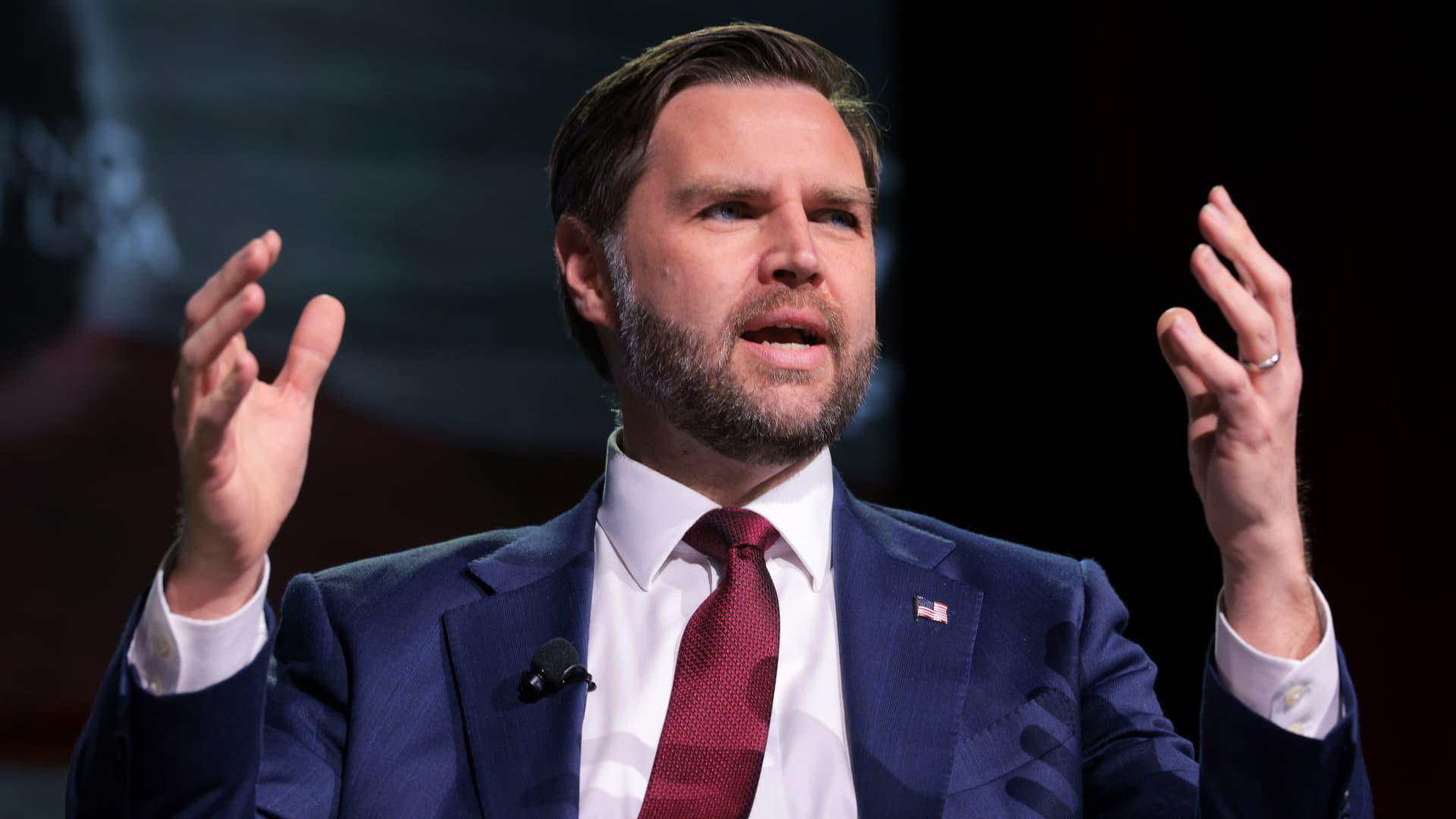
Vice President JD Vance is currently navigating a period of intense political scrutiny following a series of high-stakes international assignments that have yielded mixed outcomes. Tasked with managing some of the administration’s most delicate foreign policy challenges, Vance’s recent efforts in the Middle East and Europe have become a focal point for critics and supporters alike, raising questions about his long-term influence within the Republican party.
In a high-pressure diplomatic mission, Vance led a delegation to Islamabad for extensive negotiations with Iranian officials. The marathon 21-hour session was intended to secure a formal commitment to halt nuclear weapons development. However, the talks concluded without a breakthrough, leaving the administration’s objectives unfulfilled. The lack of a definitive agreement, combined with the public perception of the Vice President managing a stalled initiative, has invited scrutiny regarding the administration’s broader strategic priorities.
Beyond the Middle East, Vance’s recent travel to Budapest to support Hungarian Prime Minister Viktor Orbán during a contentious re-election campaign also faced significant headwinds. Despite the Vice President’s public endorsement, Orbán’s party was defeated at the polls. While Vance characterized the visit as an essential demonstration of solidarity with a strategic partner, the outcome has been viewed by many analysts as a political misstep. Additionally, Vance has been tasked with managing domestic friction regarding the administration’s relationship with the Vatican, specifically addressing policy disagreements between President Trump and Pope Leo XIV.
These developments have sparked a re-evaluation of Vance’s standing as a potential future presidential contender. While he remains a central figure in the current political movement, recent polling data suggests a tightening field for the 2028 cycle. As competitors like Marco Rubio gain traction in early straw polls, the political landscape is closely watching whether these recent setbacks represent temporary hurdles or a more significant shift in Vance’s trajectory.
Key Takeaways
- Vice President Vance’s recent nuclear non-proliferation talks with Iran concluded without a formal agreement.
- A high-profile endorsement of Hungarian Prime Minister Viktor Orbán resulted in an electoral loss for the incumbent.
- Polling data indicates increased competition for the 2028 presidential nomination, with figures like Marco Rubio gaining momentum.
Editor’s Analysis & Impact
The recent string of diplomatic challenges highlights the inherent risks for a Vice President tasked with high-profile, high-failure-rate assignments. By placing Vance at the center of the Iran negotiations and the Hungarian election, the administration has effectively tied his political capital to outcomes that are largely outside of his direct control. The impact of these setbacks is reflected in the cooling of his 2028 primary polling numbers. Moving forward, Vance must secure a tangible ‘win’ to stabilize his narrative. The broader implication is a potential shift in the Republican power structure; if Vance continues to be associated with stalled initiatives, the party may look toward more stable alternatives like Marco Rubio, who is currently benefiting from the contrast in public perception.
Frequently Asked Questions
Q: What was the primary goal of Vice President Vance's trip to Islamabad?
A: The primary goal was to conduct negotiations with Iranian officials to de-escalate tensions and secure a formal commitment against the development of nuclear weapons.
Q: How has the recent diplomatic activity affected Vance's political standing?
A: While Vance remains a key figure, recent setbacks in his diplomatic missions and a dip in polling numbers have led to increased competition in hypothetical 2028 presidential races.
AI Disclosure: This article is based on verified data and official reports. Our Team and AI have cross-referenced every financial detail with primary sources to ensure total accuracy.
More from this Category