Eclipse Ventures Raises $1.3 Billion to Pioneer the Physical AI Revolution
Palo Alto-based venture capital firm Eclipse has successfully closed a $1.3 billion funding round, signaling a major shift in investment focus toward ‘physical AI.’ The capital is divided into a $591 million early-stage incubation fund and a growth-oriented fund, both dedicated to bridging the gap between digital intelligence and real-world industrial applications.
The firm’s strategy centers on moving artificial intelligence beyond traditional screen-based interfaces and into tangible, problem-solving roles. By investing in robotics, autonomous systems, and advanced industrial infrastructure, Eclipse aims to capitalize on a growing market demand for software that can directly manipulate and optimize the physical world. This transition is being bolstered by a convergence of specialized engineering talent, supportive policy frameworks, and an urgent need for automated industrial solutions.
Eclipse has already established a robust portfolio that reflects this vision, holding stakes in companies such as electric boat manufacturer Arc, battery recycler Redwood Materials, and autonomous construction vehicle developer Bedrock Robotics. Other key investments include Wayve and Mind Robotics, both of which are at the forefront of integrating AI into physical environments.
Beyond mere capital injection, the firm is prioritizing the creation of an interconnected ecosystem. By fostering collaboration between startups in sectors like energy, transportation, defense, and compute, Eclipse intends to build a network capable of scaling complex industrial solutions. This holistic approach is designed to ensure that portfolio companies can leverage shared expertise to accelerate the integration of AI into the backbone of global infrastructure.
Key Takeaways
- Eclipse has raised $1.3 billion to focus specifically on 'physical AI' technologies that bridge digital software and real-world industrial applications.
- The investment strategy targets robotics, autonomous systems, and industrial infrastructure to move AI beyond screen-based interactions.
- The firm is building an interconnected ecosystem to help startups in energy, defense, and transportation scale their solutions through collaborative partnerships.
Editor’s Analysis & Impact
The successful closing of this $1.3 billion fund highlights a significant pivot in the venture capital landscape. While much of the recent AI hype has been concentrated on Large Language Models (LLMs) and generative software, the ‘physical AI’ sector represents the next frontier of industrial productivity. By focusing on robotics and autonomous infrastructure, Eclipse is positioning itself to capture value in sectors that have historically been slow to digitize. This approach addresses the ‘hard tech’ gap, where software must interact with unpredictable physical environments. As global supply chains and industrial sectors face labor shortages and efficiency pressures, the integration of AI into physical hardware is likely to become a primary driver of economic growth. The firm’s emphasis on an interconnected ecosystem suggests a long-term strategy to create a self-sustaining network of companies that can collectively solve complex, multi-layered industrial challenges.
Frequently Asked Questions
Q: What is 'physical AI'?
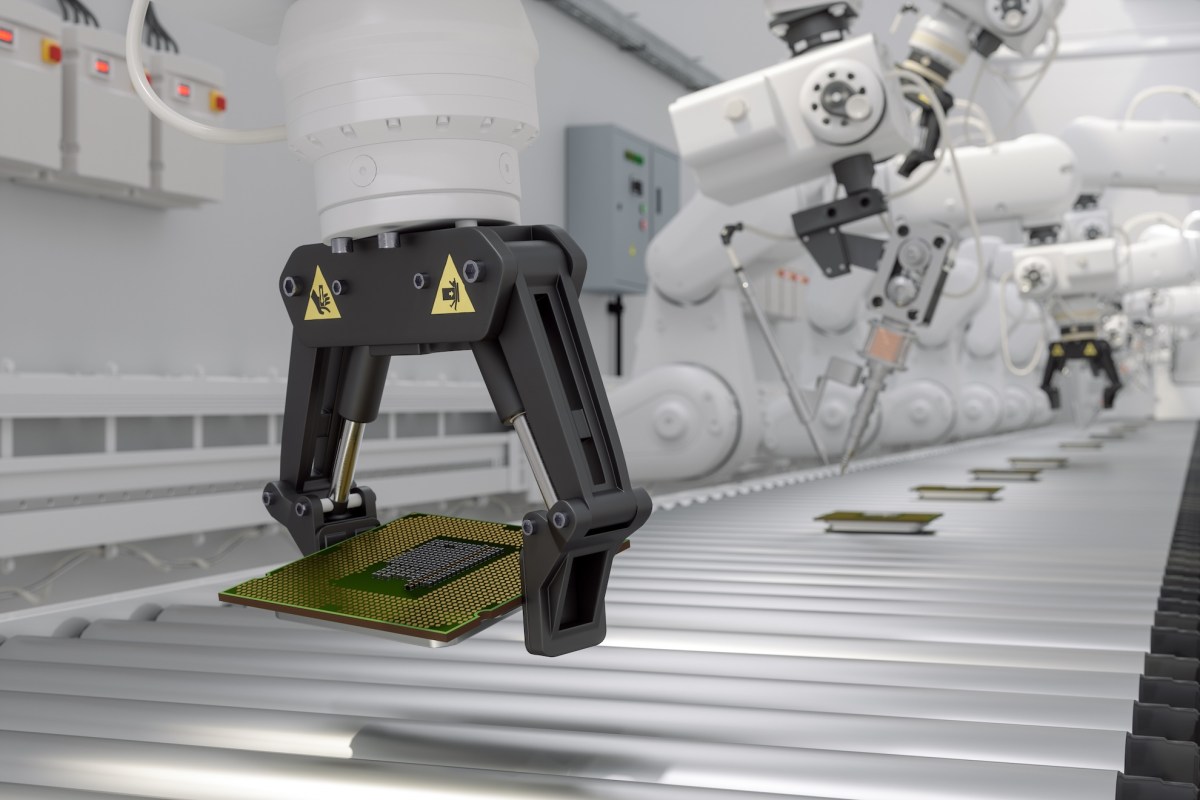
A: Physical AI refers to artificial intelligence systems that are integrated into hardware, such as robots, autonomous vehicles, and industrial machinery, allowing software to interact with and manipulate the physical world rather than just processing digital data.
Q: How is the $1.3 billion fund structured?
A: The capital is split into two distinct parts: a $591 million early-stage incubation fund and a separate growth-oriented fund designed to support companies as they scale their industrial solutions.
AI Disclosure: This article is based on verified data and official reports. Our Team and AI have cross-referenced every financial detail with primary sources to ensure total accuracy.
More from this Category