Venture Capitalists Warn of ‘Dysfunctional’ Series A Market as AI Valuations Soar
The landscape for Series A funding has become increasingly complex and challenging, with no single metric now defining success or the path to securing capital. During a recent industry event, three prominent venture capitalists offered insights and a stark warning to founders navigating this volatile environment, particularly as significant capital flows into artificial intelligence (AI) and revenue figures are often inflated to justify soaring valuations. A market correction, they cautioned, could be on the horizon as early as 2027.
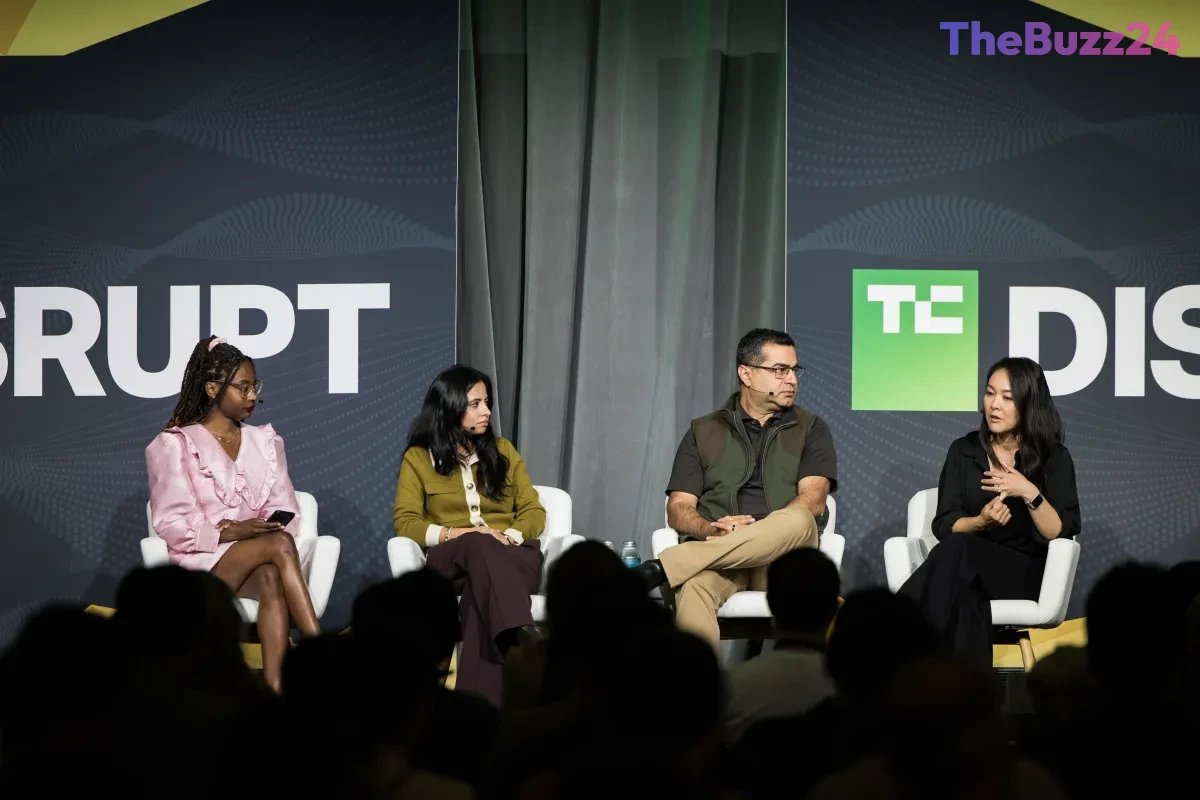
Shailendra Singh, a managing director at Peak XV, expressed deep concern, stating that the seed and venture capital market is currently the most dysfunctional he has witnessed, making it one of the hardest periods to raise capital. Speaking alongside Jahanvi Sardana, a partner at Index Ventures, and Janelle Teng Wade, a partner at Bessemer, Singh highlighted the immense pressure on companies to prove their exceptional potential. He noted the wide disparity in funding terms, capital amounts, and conditions, with some companies even attempting to close rounds at three different price points simultaneously—a clear indicator of market froth, which Sardana dubbed “tranchopalooza” due to rounds being split into multiple tranches.
Beyond the warnings, the investors outlined key attributes they seek in Series A pitches. A compelling narrative about a founder’s potential to build a substantial company is paramount, as is the ability to attract top-tier talent. Teng Wade pointed to defense, robotics, and AI infrastructure as sectors currently attracting significant capital. She also observed a trend towards vertical integration among foundational AI model companies but identified opportunities for newer entrants, such as “neo-clouds” offering AI computing power and “neo-labs” focused on AI research. While metrics remain important, their definition has become more fluid, especially for AI companies with high operational costs. Teng Wade cited Anthropic’s early evaluation, where despite negative margins, the firm recognized the immense potential of frontier AI models to become a substitute for other software, justifying the investment.
Intellectual honesty in financial reporting was strongly emphasized. Singh cautioned against presenting cumulative revenue or annual recurring revenue (ARR) charts, labeling them a “massive red flag” and a “big lie” that obscures true performance. He described the market as rife with “false positives,” noting that the current optimism in venture capital is the highest he has seen in two decades, often a precursor to a downturn. Singh reiterated his belief that 2027 will bring a significant correction. In their parting advice, Singh urged founders to embrace the inherent difficulty of building a company, avoid rushing, ensure strong product-market fit, and maintain high standards. Sardana advised founders not to let funding trends dictate their product development, while Teng Wade, contrary to her usual conservative advice, encouraged founders to be audacious in their funding requests and adapt based on market response.
Key Takeaways
- The Series A funding landscape is highly dysfunctional and challenging, with a potential market correction anticipated by 2027 due to inflated valuations, especially in AI.
- Investors prioritize a compelling founder story, the ability to attract top talent, and focus on high-growth areas like AI infrastructure, defense, and robotics, while cautioning against misleading financial metrics.
- Founders are advised to be resilient, maintain high standards for product-market fit, avoid letting funding trends dictate their product development, and be audacious in their funding requests.
Editor’s Analysis & Impact
The current venture capital market, particularly at the Series A stage, is exhibiting signs of significant froth and potential instability, driven largely by the AI boom. The ‘tranchopalooza’ phenomenon and the prevalence of inflated valuations suggest an unsustainable environment. A predicted correction by 2027 could lead to a more discerning investor base, demanding stronger fundamentals and intellectual honesty in financial reporting. This shift will likely favor companies with genuine product-market fit and sustainable business models over those built on hype. For founders, adapting to this evolving landscape by focusing on core value, talent acquisition, and strategic sector alignment will be crucial for long-term success, potentially leading to a healthier, albeit more challenging, ecosystem.
Frequently Asked Questions
Q: Why is the Series A market considered 'dysfunctional' currently?
A: Investors describe the Series A market as dysfunctional due to the extreme difficulty in raising capital, the wide dispersion in funding terms, and the unusual practice of companies seeking multiple valuations simultaneously, all of which indicate significant market froth and uncertainty.
Q: What key factors do investors prioritize in a Series A pitch today?
A: Investors are primarily looking for a compelling founder narrative, the proven ability to attract high-quality talent, and a strategic focus on high-growth sectors such as AI infrastructure, defense, and robotics. They also place a strong emphasis on intellectual honesty and transparency in financial reporting.
Q: What is the significance of the predicted market correction by 2027?
A: The predicted market correction by 2027 suggests that the current highly optimistic and potentially overvalued venture capital environment, particularly within the AI sector, may face a significant downturn. This could result in stricter funding criteria, lower valuations, and a more challenging fundraising landscape for startups across the board.
AI Disclosure: This article is based on verified data and official reports. Our Team and AI have cross-referenced every financial detail with primary sources to ensure total accuracy.
More from this Category