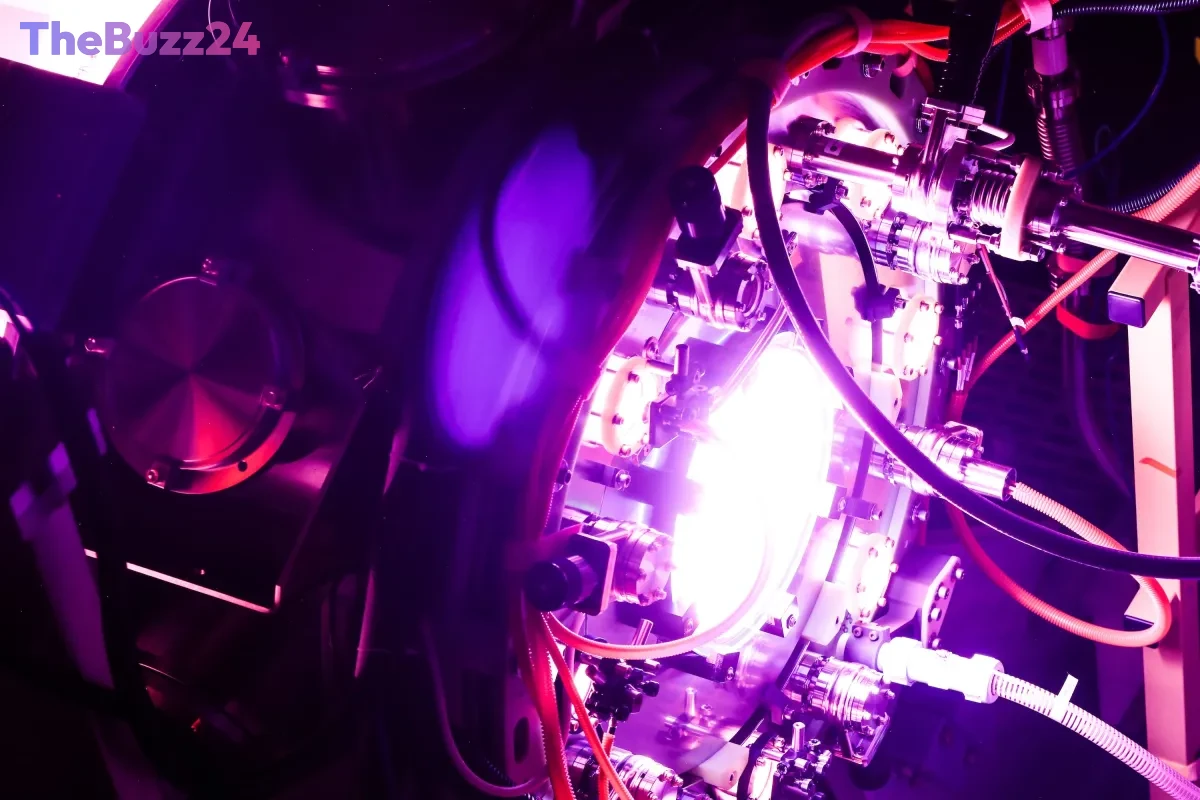
Fusion Pioneer Helion Secures Major Funding for Advanced Semiconductor Development
Fusion energy startup Helion has announced a significant boost to its ambitious project, securing $175 million in federal funding aimed at revolutionizing the semiconductors and power electronics crucial for its fusion power plants. This substantial investment, awarded under the U.S. Department of Commerce’s CHIPS Act, will accelerate the research, development, and domestic manufacturing of advanced components that are currently a bottleneck in energy efficiency.
These specialized semiconductors are vital for Helion’s direct energy conversion approach, which aims to harvest electricity directly from fusion reactions. Current systems experience energy losses ranging from 5% to 10% as electricity passes through these components. Helion’s CEO, David Kirtley, highlighted the transformative potential, stating that halving these losses could effectively double the power output of their fusion systems. This increased efficiency is paramount for the commercial viability of fusion power, especially as Helion races to complete its first power plant, Orion, by a 2028 deadline to supply electricity to Microsoft.
The funding will establish a new, automated semiconductor module, packaging, and testing facility in Washington State. This facility will be the first in the U.S. capable of producing a class of high-voltage, pulsed semiconductors essential not only for fusion energy but also for critical sectors including manufacturing, wastewater treatment, medicine, and defense. The initiative directly addresses a gap in domestic manufacturing for these advanced components, aiming to move the U.S. from zero to full-scale production.
In addition to the federal grant, Helion also announced a $50 million private investment, bringing its total raised capital to over $3.2 billion, positioning it as a leading contender in the fusion energy race. While the R&D funded by this award may not be integrated into the initial Orion plant, it is expected to significantly enhance the efficiency and competitiveness of Helion’s subsequent power plants, bolstering the nation’s energy security and technological independence.
Key Takeaways
- Helion receives $175 million in federal funding to develop advanced semiconductors for fusion power plants.
- The new funding aims to significantly improve energy efficiency by reducing semiconductor power losses, potentially doubling output.
- The investment will establish a U.S.-based manufacturing facility for critical high-voltage semiconductors, benefiting multiple industries beyond fusion.
Editor’s Analysis & Impact
This substantial federal investment underscores the growing strategic importance of fusion energy and advanced semiconductor manufacturing for national security and economic competitiveness. By targeting efficiency gains through cutting-edge power electronics, Helion is addressing a key challenge in making fusion commercially viable. The development of a domestic supply chain for these specialized semiconductors is a significant win, potentially spurring innovation across defense, manufacturing, and other high-tech sectors. The dual focus on energy independence and technological leadership positions this initiative as a critical step towards a cleaner energy future and a more resilient industrial base.
Frequently Asked Questions
Q: What is the CHIPS Act and how does it relate to Helion's funding?
A: The CHIPS Act is a U.S. law designed to boost semiconductor research, development, and manufacturing within the United States. Helion's $175 million award comes from the Department of Commerce under this act, specifically to advance the production of semiconductors for its fusion power plants and other critical applications.
Q: How will improved semiconductors increase Helion's power output?
A: Current semiconductors used in Helion's systems lose between 5% and 10% of the electricity that passes through them. By developing more efficient semiconductors that halve these losses, Helion anticipates a doubling of the overall power output from its fusion systems, making them more economically competitive.
Q: Besides fusion, what other industries could benefit from Helion's semiconductor advancements?
A: The advanced, high-voltage, and pulsed semiconductors Helion is developing have applications in various sectors. These include manufacturing, wastewater treatment, medicine, and particularly the defense industry, where they could be used in applications like energy weapons.
AI Disclosure: This article is based on verified data and official reports. Our Team and AI have cross-referenced every financial detail with primary sources to ensure total accuracy.
More from this Category