Astronaut Andrew Morgan Departs NASA to Resume Full-Time Military Command
U.S. Army Brig. Gen. Andrew R. Morgan has officially concluded his 12-year tenure with NASA, stepping down from his role as an astronaut to dedicate his full attention to his military responsibilities. Morgan, who joined the astronaut corps in 2013, is currently serving as the commanding general of the White Sands Missile Range in New Mexico, a position he will continue to hold as he transitions away from space exploration.
During his time with the space agency, Morgan became a prominent figure in orbital research. His most notable achievement was a 272-day mission aboard the International Space Station, which spanned Expeditions 60, 61, and 62. Throughout this mission, he traveled over 115 million miles and completed more than 4,300 orbits of the Earth, playing a pivotal role in maintaining station operations and conducting critical scientific experiments.
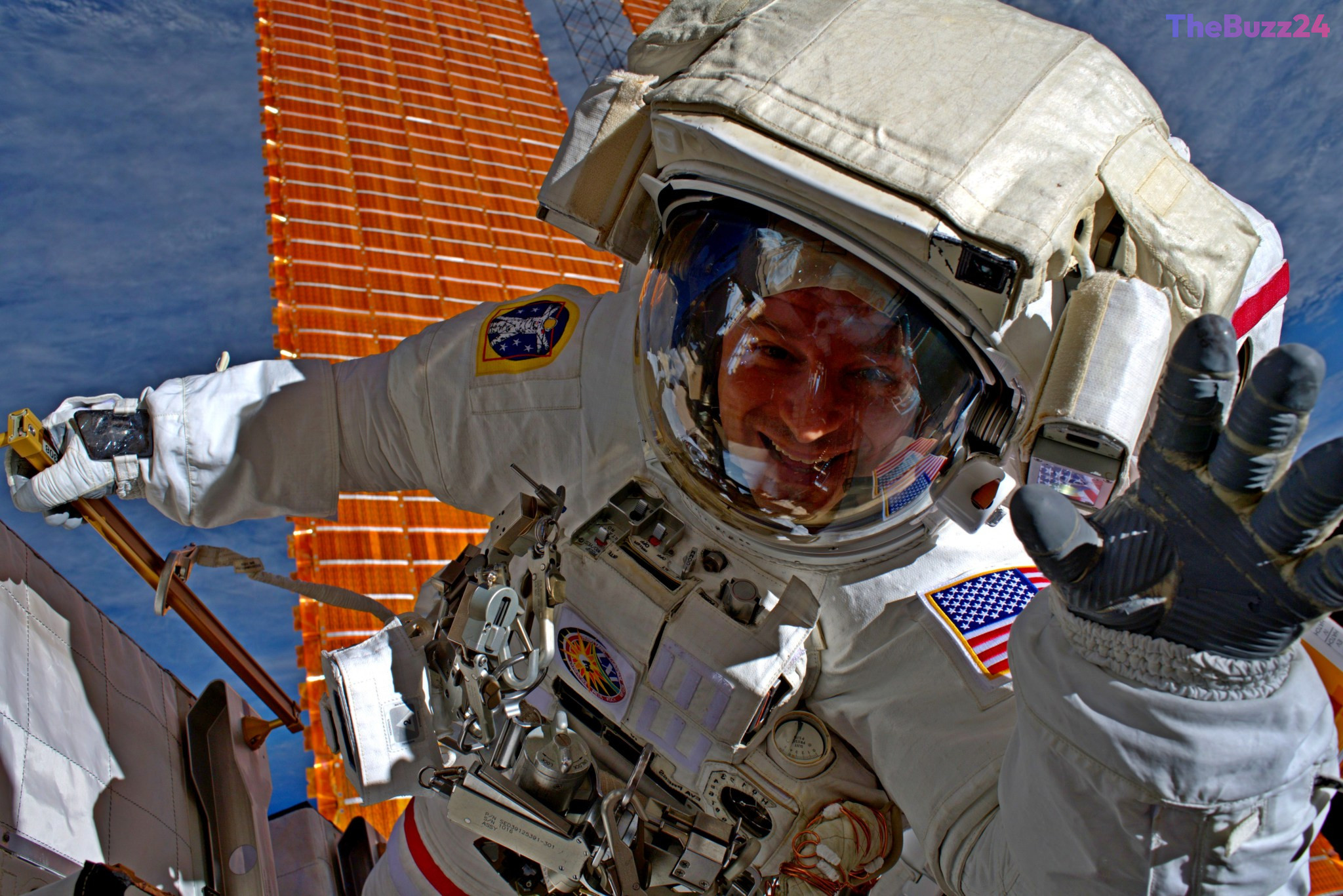
Morgan’s legacy is particularly defined by his extraordinary spacewalking performance. He completed seven spacewalks totaling nearly 46 hours, establishing a new record for a single spaceflight by a U.S. astronaut. Much of this time was spent performing intricate repairs on the Alpha Magnetic Spectrometer, an essential tool for dark matter and antimatter research. Prior to his astronaut career, Morgan served as an emergency physician and a member of elite special forces, bringing a unique blend of medical and tactical expertise to his space missions.
As he departs the agency, Morgan leaves behind a career marked by both scientific contribution and leadership. While he describes the transition as bittersweet, he remains focused on his ongoing commitment to national service within the U.S. Army. His departure marks the end of a highly decorated chapter that bridged the gap between high-stakes military operations and the frontiers of human spaceflight.
Key Takeaways
- Brig. Gen. Andrew R. Morgan has retired from NASA after 12 years to focus on his role as commanding general of the White Sands Missile Range.
- Morgan spent 272 days in space and holds the U.S. record for the most spacewalk time during a single mission, totaling nearly 46 hours.
- His work in orbit included critical repairs to the Alpha Magnetic Spectrometer, a key instrument for dark matter research.
Editor’s Analysis & Impact
The departure of Andrew Morgan highlights the ongoing synergy between the U.S. military and the space sector. As space becomes an increasingly contested and strategic domain, the movement of high-level personnel with both combat and orbital experience between these sectors is likely to increase. Morgan’s background as a special forces operator and emergency physician, combined with his extensive time on the International Space Station, represents the ideal profile for future leaders in space-based defense and research. His transition back to full-time military command at White Sands suggests that the military is prioritizing the integration of space-hardened leadership to oversee testing and development of advanced missile and defense technologies. This trend underscores the growing importance of space-domain awareness and the necessity of having experienced personnel managing the intersection of national security and aerospace innovation.
Frequently Asked Questions
Q: What is Andrew Morgan's current military role?
A: Andrew Morgan is currently serving as the commanding general of the White Sands Missile Range in New Mexico.
Q: What was the primary focus of Morgan's spacewalks?
A: A significant portion of his record-breaking 46 hours of spacewalking was dedicated to repairing the Alpha Magnetic Spectrometer, which is used to study dark matter and antimatter.
AI Disclosure: This article is based on verified data and official reports. Our Team and AI have cross-referenced every financial detail with primary sources to ensure total accuracy.
More from this Category