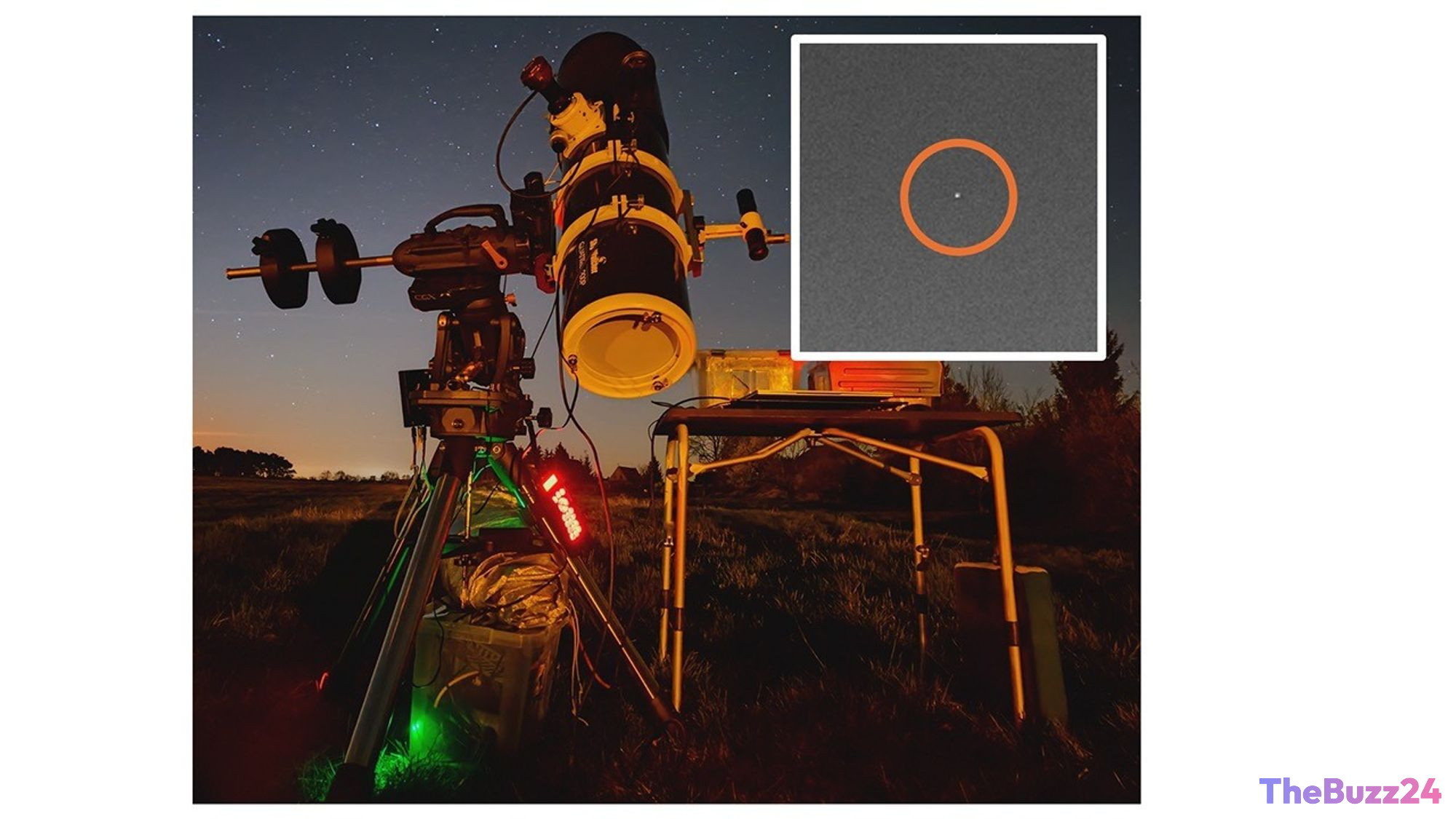
Amateur Astronomers Play Critical Role in Mapping Lunar Meteoroid Impacts
A growing collaboration between professional planetary scientists and amateur astronomers is yielding significant insights into the lunar surface. Through the Impact Flash project, volunteers across the globe are using personal telescopes to monitor the Moon for brief flashes of light, which signify meteoroid impacts. These Earth-based observations provide a vital supplement to data collected by space missions, offering a more comprehensive view of how often and how intensely celestial bodies collide with the lunar landscape.
Ben Fernando, a planetary scientist at Los Alamos National Laboratory, highlights that public participation is instrumental in this research. By meticulously recording the brightness and exact coordinates of these impact flashes, citizen scientists help researchers determine the characteristics of the impactors and predict the resulting crater formations. The project is currently expanding its reach, seeking additional volunteers equipped with telescopes of at least four inches in diameter to help construct a robust, long-term database of lunar impact rates.
Beyond simple observation, the data gathered by these volunteers is expected to be foundational for future lunar exploration. Scientists plan to cross-reference these impact events with seismic data, or ‘moonquakes,’ to better understand the Moon’s internal composition. As upcoming missions prepare to deploy advanced seismometers on the lunar surface, the contributions from amateur observers will be essential for pinpointing the sources of these tremors and mapping the geological structure beneath the lunar crust.
This initiative is part of a broader network of collaborative astronomical efforts, including Exoplanet Watch, which aims to democratize space research. By pooling observations from a diverse group of participants, the project is refining our understanding of the dynamic processes that continue to shape the lunar environment. Those interested in contributing to this scientific endeavor can access detailed guidelines and submission protocols through the project’s official portal.
Key Takeaways
- Amateur astronomers are using personal telescopes to track meteoroid impacts on the Moon, providing data that complements professional space missions.
- The Impact Flash project is seeking volunteers with at least four-inch telescopes to help build a long-term database of lunar impact rates.
- Data from these observations will be used to correlate meteoroid impacts with 'moonquakes,' helping scientists map the Moon's internal geological structure.
Editor’s Analysis & Impact
The Impact Flash project represents a significant shift in how planetary science is conducted, moving from purely institutional research to a crowdsourced model. By leveraging the collective power of amateur astronomers, researchers can achieve a level of temporal and spatial coverage that would be prohibitively expensive to maintain with professional equipment alone. This initiative not only accelerates the collection of lunar impact data but also fosters public engagement with space exploration. As humanity prepares for a new era of lunar habitation and resource extraction, understanding the frequency of meteoroid strikes and their seismic consequences is critical for infrastructure safety. This model of ‘citizen science’ is likely to become a standard framework for future astronomical projects, as it effectively bridges the gap between professional research goals and the capabilities of the growing community of high-end hobbyist observers.
Frequently Asked Questions
Q: What equipment do I need to participate in the Impact Flash project?
A: The project is currently looking for volunteers who have access to a telescope with an aperture of at least four inches in diameter.
Q: How does tracking meteoroid impacts help us understand the Moon's interior?
A: By correlating the timing and location of meteoroid impacts with seismic data (moonquakes), researchers can better understand how these impacts affect the lunar crust and gain insights into the Moon's internal geological composition.
AI Disclosure: This article is based on verified data and official reports. Our Team and AI have cross-referenced every financial detail with primary sources to ensure total accuracy.
More from this Category