Wall Street’s Volatility Index Surges, Signaling Growing Investor Unease
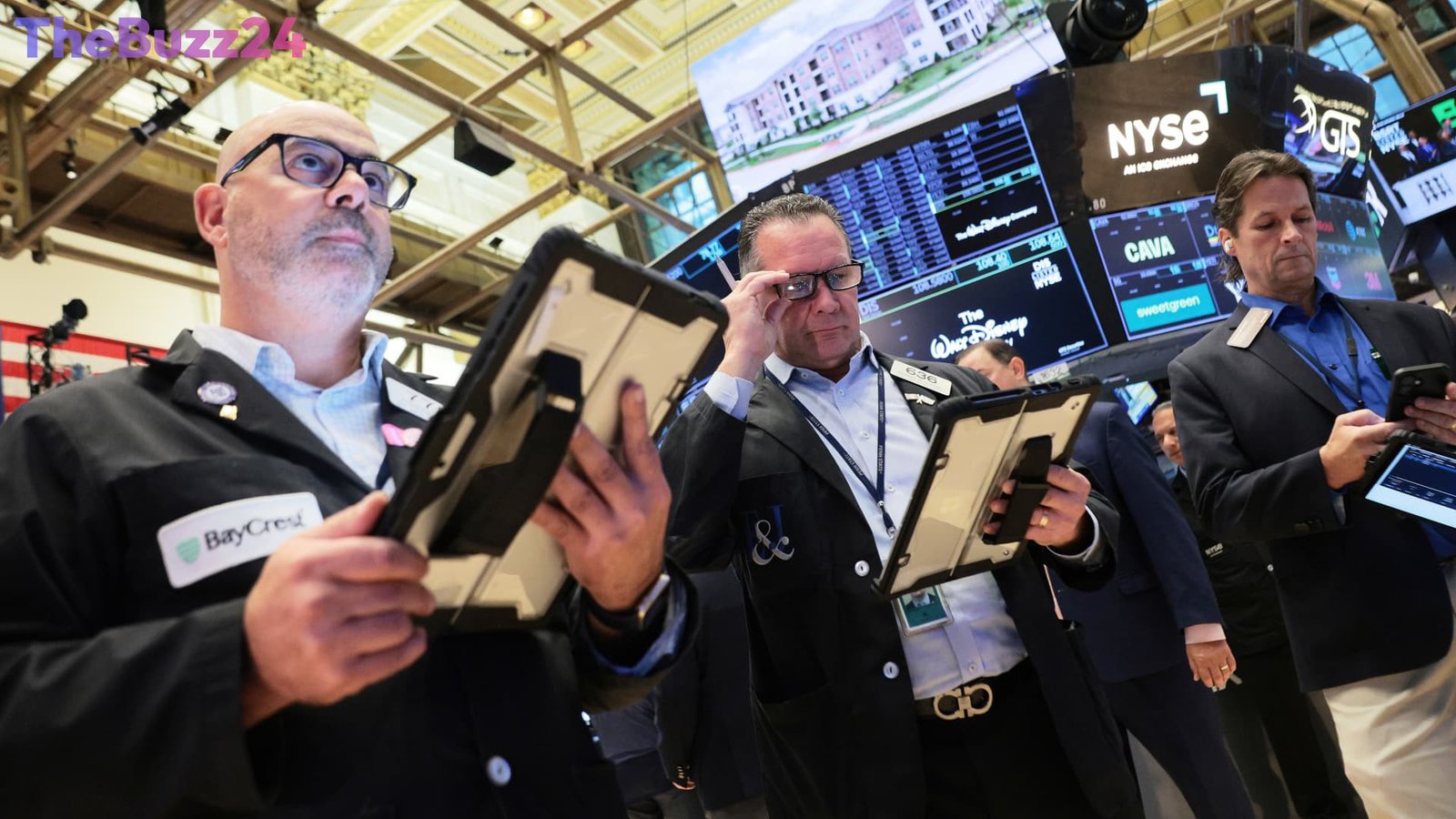
The Cboe Volatility Index (VIX), often referred to as Wall Street’s ‘fear gauge,’ has surged past the 22 mark, reaching its highest level in four months. This significant uptick comes amid a notable sell-off in artificial intelligence-related stocks, prompting concerns among traders about potential further market instability. The VIX’s rapid ascent suggests a growing apprehension about the broader economic landscape.
Recent trading activity indicates that investors anticipate this elevated volatility to persist. A series of substantial options trades involving November VIX calls have been observed, with investors placing bets that the index will remain above current levels through the end of November. One notable transaction involved the purchase of a significant number of calls with strike prices of 20 and 23, suggesting a belief that the VIX will close above these thresholds by the third week of November. These trades represent a considerable financial commitment, underscoring the conviction behind these bearish market expectations.
The recent market turbulence has been exacerbated by concerns surrounding the AI sector, particularly impacting neo-cloud provider CoreWeave, which experienced a significant decline in value. This instability in a key technology segment contributed to a broader market downturn, with major indices seeing notable losses. The concentration of VIX call options being bought, many with strike prices higher than the current VIX level, further reinforces the sentiment that traders are preparing for or actively hedging against a more substantial market correction.
With several high-profile technology companies, including Tesla, SpaceX, and Meta, scheduled to report earnings in the coming week, market participants will be closely watching these events. The outcomes of these earnings reports could significantly influence market sentiment and potentially impact the trajectory of the VIX, adding another layer of uncertainty to an already tense trading environment.
Key Takeaways
- The VIX has surpassed 22, its highest point in four months, driven by a sell-off in AI stocks.
- Significant options trades suggest investors expect volatility to remain elevated through November.
- Upcoming earnings reports from major tech companies like Tesla, SpaceX, and Meta could further influence market sentiment.
Editor’s Analysis & Impact
The recent surge in the VIX signals a palpable shift in investor sentiment, moving from optimism to caution. The sell-off in AI stocks, a sector previously seen as a market darling, highlights the fragility of current valuations and the potential for contagion across broader markets. The substantial bets placed on continued VIX elevation suggest that institutional investors are actively preparing for a downturn, potentially reallocating capital away from riskier assets. The upcoming earnings season for tech giants will be a critical juncture; positive results might offer a reprieve, but any disappointment could accelerate the current trend, leading to a more pronounced market correction and increased demand for hedging instruments.
Frequently Asked Questions
Q: What is the Cboe Volatility Index (VIX)?
A: The Cboe Volatility Index (VIX) is a real-time market index representing the market's expectations of 30-day forward-looking volatility derived from S&P 500 index options. It is often referred to as the 'fear gauge' because it tends to rise when investors are fearful and the market is declining, and fall when the market is calm and rising.
Q: Why are investors buying VIX call options?
A: Investors buy VIX call options as a way to profit from or hedge against an expected increase in market volatility. If the VIX rises, the value of these call options increases, allowing the holder to make a profit or offset losses in other parts of their portfolio.
Q: What is the significance of AI stocks impacting the VIX?
A: The sell-off in AI-related stocks has a significant impact because this sector has been a major driver of market gains. A downturn in such a prominent growth area can trigger broader market concerns, leading investors to seek safety and anticipate higher overall market volatility, thus driving up the VIX.
AI Disclosure: This article is based on verified data and official reports. Our Team and AI have cross-referenced every financial detail with primary sources to ensure total accuracy.
More from this Category