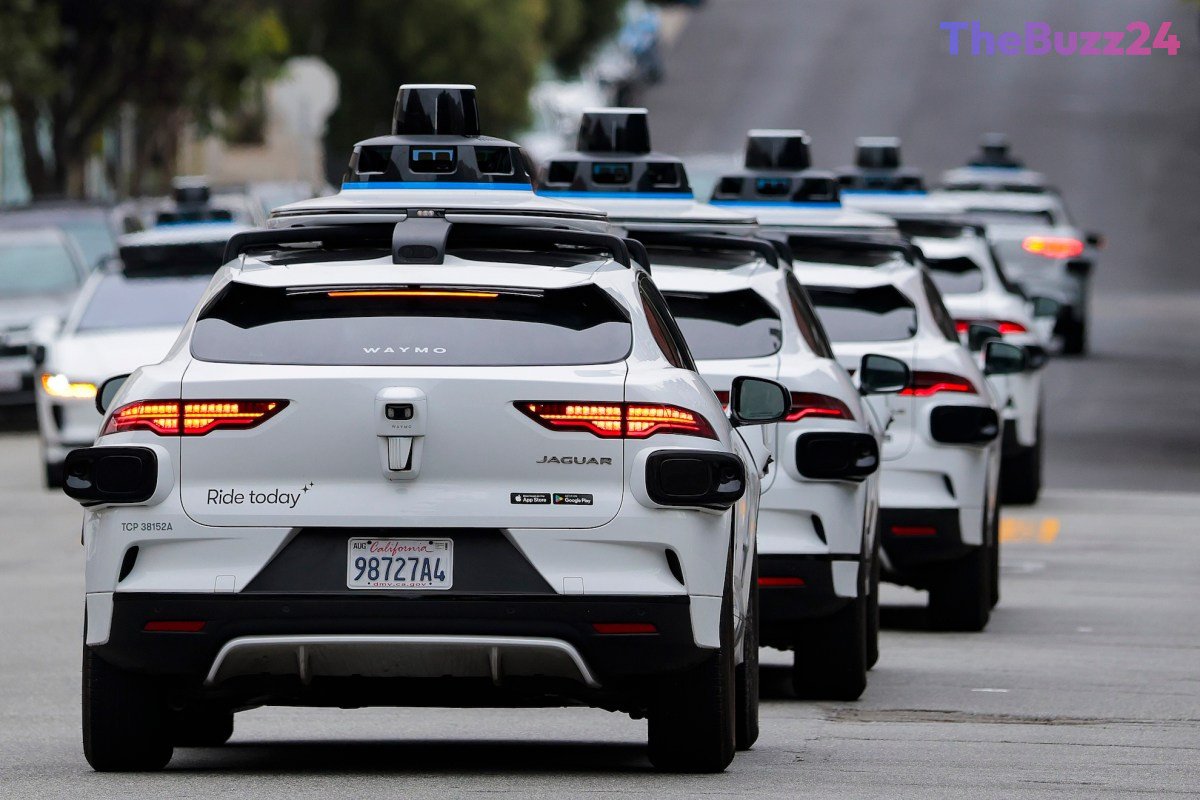
Waymo Expands Autonomous Footprint With Planned Robotaxi Launch in Munich
Alphabet-owned autonomous vehicle pioneer Waymo has announced plans to introduce its driverless ride-hailing service to Munich, Germany. The strategic move follows the establishment of a German corporate entity earlier this year, marking a significant step in the company’s international expansion strategy.
Before launching commercial operations, Waymo faces a rigorous process of mapping, testing, and regulatory navigation. The rollout will follow the company’s established playbook used across its existing urban markets. Initially, human drivers will manually navigate the streets to build precise digital maps, followed by automated testing phases utilizing safety drivers before transitioning to fully driverless operations for employees and invited guests.
Commercial availability for the general public is targeted for late 2027, pending approvals from the Federal Motor Transport Authority (KBA) and local municipal bodies. Germany’s pioneering stance on autonomous legislation—having established a legal framework for Level 4 driving back in 2019—makes it an attractive market, though Waymo must still secure the necessary testing permits alongside competitors like Mobileye and Volkswagen.
Beyond Munich, Waymo is also eyeing other major international hubs, including London, where it plans a 2026 debut. This global push sets the stage for intensified competition with rivals such as Wayve, Baidu, and established ride-hailing giants across European metropolitan areas.
Key Takeaways
- Waymo is preparing to launch its autonomous robotaxi service in Munich, Germany, with a public rollout targeted for late 2027.
- The deployment requires extensive mapping, testing phases with human safety drivers, and final regulatory clearance from German authorities.
- Germany's established legal framework for Level 4 autonomous vehicles has transformed the country into a key testing ground for global AV developers.
Editor’s Analysis & Impact
Waymo’s expansion into Munich represents a crucial milestone for the commercial viability of Western autonomous vehicle technology outside of North America. By targeting Germany—a nation with an established regulatory framework for Level 4 autonomy—Waymo is positioning itself to capture market share in a region already populated by formidable domestic and international rivals like Volkswagen and Mobileye. This move underscores a broader industry trend where autonomous developers are moving past initial domestic testing to secure early footholds in lucrative European urban centers. Success in Munich and subsequent planned launches in cities like London will heavily influence global investor confidence, regulatory acceptance, and the future pace of international autonomous mobility deployment over the next decade.
Frequently Asked Questions
Q: When does Waymo plan to launch its public robotaxi service in Munich?
A: Waymo aims to open its commercial ride-hailing service to the general public in Munich toward the end of 2027, pending regulatory approvals.
Q: What regulatory steps are required before Waymo can operate commercially in Germany?
A: The company must complete street mapping, conduct testing with safety drivers, and secure official permits and approvals from Germany's Federal Motor Transport Authority (KBA) and local authorities.
Q: Why is Germany a popular market for autonomous vehicle companies?
A: Germany was the first European Union country to adopt legislation for Level 4 autonomous driving on public roads, creating a clear legal framework that attracts global AV developers and testers.
AI Disclosure: This article is based on verified data and official reports. Our Team and AI have cross-referenced every financial detail with primary sources to ensure total accuracy.
More from this Category