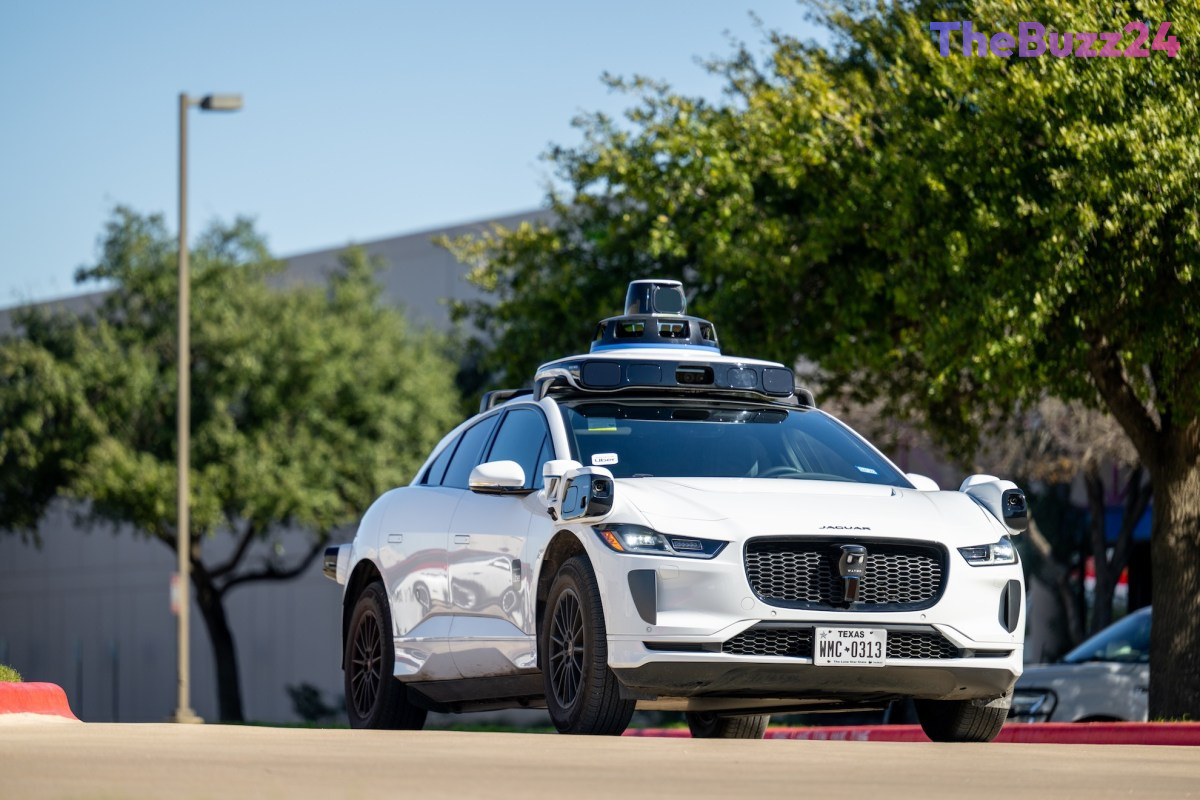
Texas DMV Data Reveals Waymo’s Dominance in Autonomous Vehicle Deployment
A new transparency initiative from the Texas Department of Motor Vehicles has provided the public with an unprecedented look at the state’s autonomous vehicle (AV) landscape. Following legislation that took effect in late May, companies operating self-driving technology are now mandated to register their fleets, offering a clear view of the scale of operations currently active on Texas roads. The data confirms that Alphabet-owned Waymo holds a significant lead, with 577 registered autonomous vehicles currently operating in the state.
Waymo’s fleet size dwarfs that of its closest competitors, with Avride reporting 317 vehicles and Nuro maintaining 47. Tesla, which has been scaling its robotaxi presence in major metropolitan areas like Austin, Dallas, and Houston, currently has 42 registered autonomous vehicles. Other players, including Volkswagen subsidiary MOIA, are also present in the market, though they operate with smaller, specialized fleets of autonomous microbuses.
While these registration figures provide a snapshot of fleet capacity, industry analysts caution that they do not directly correlate to active road usage or commercial volume. Some companies remain in the research and development phase, while others, including Waymo, have occasionally adjusted operations due to environmental factors such as severe weather. Despite these variables, the registry serves as a vital indicator of the state’s rapidly maturing autonomous transit sector.
Beyond passenger vehicles, the data also highlights the growth of the autonomous trucking industry in Texas. Aurora has emerged as a significant player in the freight sector with 91 registered self-driving trucks, while firms such as Gatik AI, Kodiak AI, and Waabi continue to build out their specialized fleets. As these technologies become more integrated into the state’s infrastructure, the public portal will remain a primary tool for tracking the adoption and expansion of driverless systems.
Key Takeaways
- Waymo leads the Texas autonomous vehicle market with 577 registered units, significantly ahead of competitors like Avride and Tesla.
- New Texas DMV legislation requires all companies operating self-driving technology to register their fleets, increasing industry transparency.
- The data includes both passenger robotaxis and autonomous freight trucks, with Aurora leading the trucking segment with 91 vehicles.
Editor’s Analysis & Impact
The release of this registration data marks a pivotal shift toward regulatory transparency in the autonomous vehicle sector. By forcing companies to disclose fleet sizes, Texas is setting a precedent for how states can monitor the rapid integration of AI-driven transportation. For investors and industry observers, these numbers provide a tangible metric to measure market share beyond marketing claims. Waymo’s clear lead suggests a mature operational model, while the presence of specialized players like Aurora in the trucking sector indicates that the autonomous freight market is maturing alongside passenger services. Moving forward, the industry will likely face increased scrutiny regarding safety records and operational uptime, as the public now has a baseline to compare fleet size against actual road performance and service availability.
Frequently Asked Questions
Q: Why are autonomous vehicle companies now required to register their fleets in Texas?
A: New legislation that took effect in late May mandates that companies operating self-driving technology must register their vehicles to provide the public and regulators with a comprehensive view of the scale of autonomous operations in the state.
Q: Do these registration numbers reflect how often the vehicles are actually on the road?
A: Not necessarily. While the numbers show the total fleet size registered, they do not account for vehicles currently in the testing phase, those undergoing maintenance, or those temporarily paused due to environmental conditions.
AI Disclosure: This article is based on verified data and official reports. Our Team and AI have cross-referenced every financial detail with primary sources to ensure total accuracy.
More from this Category