Western Europe Engulfed by Record-Breaking Wildfires
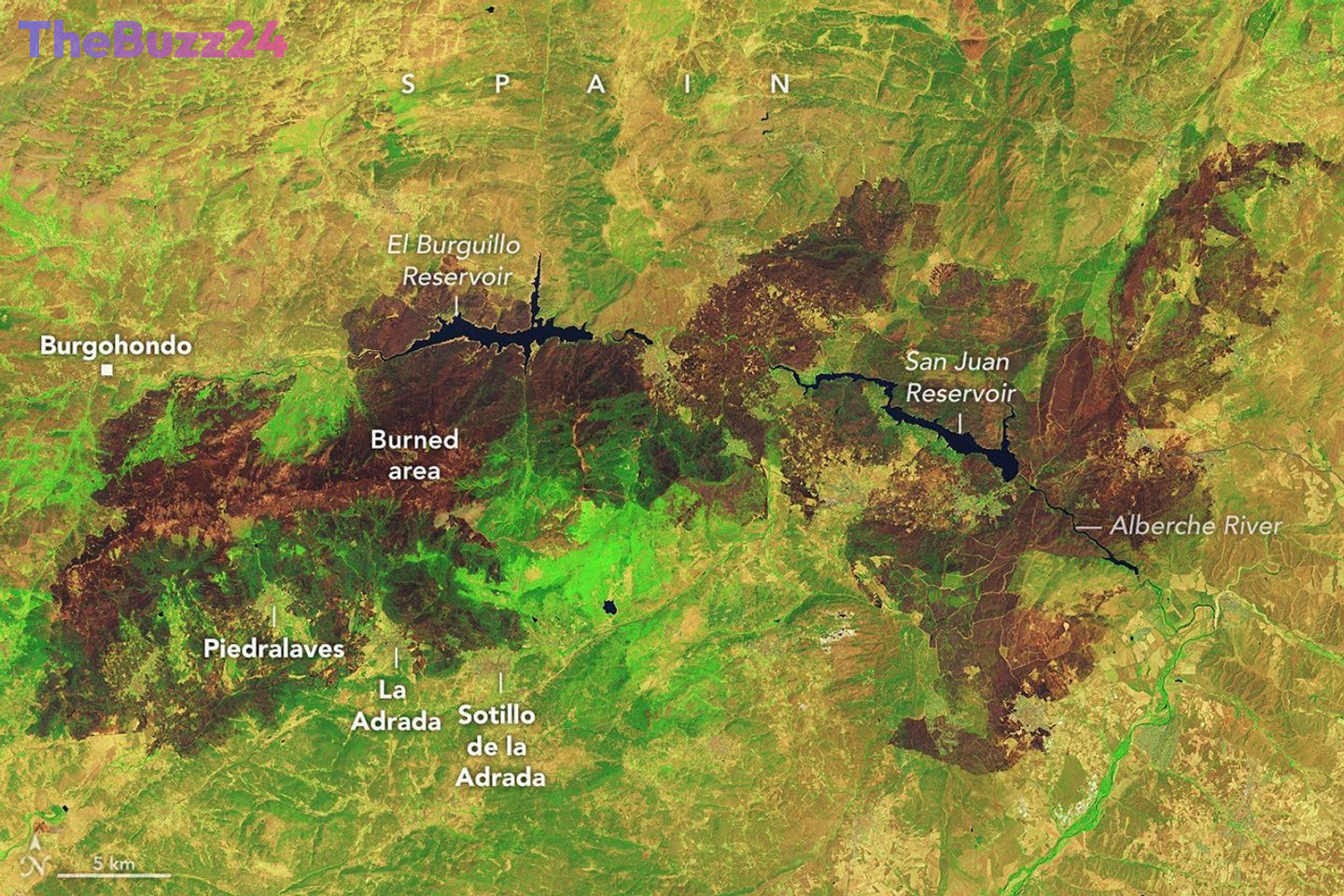
Spain and France have been battling some of the most severe wildfires in decades, with blazes in mid-July 2026 forcing mass evacuations and destroying hundreds of homes. The Spanish province of Ávila experienced a fire that scorched approximately 50,000 hectares, making it the largest on record for the country. This inferno eventually merged with fires in neighboring regions, expanding the total burned area to an estimated 77,000 hectares.
In southwestern France, a significant fire near Bordeaux consumed over 42,000 hectares, leading to the devastation of the village of Le Porge and prompting widespread evacuations. Across France, the total area affected by fires by late July exceeded 90,000 hectares, marking the most extensive season in decades.
Environmental factors played a crucial role in the intensity of these fires. An unusually wet winter led to abundant vegetation growth, which was then parched by subsequent heatwaves and drought conditions. Strong winds acted as a final catalyst, rapidly spreading the flames. In a particularly alarming development, French firefighters reported the formation of a pyrocumulonimbus, or “fire cloud,” a rare phenomenon associated with extreme fire events, marking the first such observation in France.
Thousands of firefighters, supported by military personnel and aerial resources, have been engaged in a strenuous battle against these infernos. While containment efforts have shown progress, allowing for the lifting of some evacuation orders, authorities caution that the risk of further fires remains high due to the persistent hot and dry weather patterns.
Key Takeaways
- Spain and France experienced some of the largest and most destructive wildfires in decades during July 2026.
- A combination of heavy winter vegetation growth, followed by drought and heatwaves, created highly flammable conditions.
- The fires led to mass evacuations, destruction of homes and infrastructure, and the rare formation of a 'fire cloud' in France.
Editor’s Analysis & Impact
The devastating wildfires in Western Europe underscore the increasing vulnerability of the region to extreme weather events, exacerbated by climate change. The scale of destruction and the record-breaking nature of these fires highlight the urgent need for enhanced fire management strategies, early warning systems, and robust international cooperation. The economic impact on affected communities, including tourism and agriculture, will likely be significant, requiring substantial recovery efforts. Furthermore, the emergence of pyrocumulonimbus clouds signals a concerning escalation in fire intensity, posing new challenges for firefighting and potentially impacting atmospheric conditions on a broader scale.
Frequently Asked Questions
Q: What caused the extreme wildfires in Spain and France in July 2026?
A: The fires were caused by a combination of factors: an unusually wet winter that promoted dense vegetation growth, followed by a severe drought and heatwaves that parched the landscape. Strong winds then accelerated the spread of the fires.
Q: What is a pyrocumulonimbus cloud and why is its formation significant?
A: A pyrocumulonimbus cloud, often called a 'fire cloud,' is a towering thunderstorm cloud formed by the intense heat of a large fire. Its formation indicates extreme fire behavior and can generate its own weather, including lightning and strong winds, further complicating firefighting efforts. Its reported formation in France was a first for the country.
Q: What is the current situation regarding the wildfires?
A: While firefighters have made progress in containing some of the blazes and evacuation orders have been lifted in certain areas, the risk of new fires remains high due to the persistent hot and dry weather conditions.
AI Disclosure: This article is based on verified data and official reports. Our Team and AI have cross-referenced every financial detail with primary sources to ensure total accuracy.
More from this Category