Guardians of the Frozen Frontier: How the Canadian Rangers Master the Arctic
The Canadian Rangers serve as a vital human presence across the nation’s most isolated and unforgiving northern territories. Acting as the primary eyes and ears for national security, these specialized personnel maintain a constant vigil in regions defined by extreme isolation and volatile weather patterns. Their presence is essential for securing borders that remain largely inaccessible to standard military forces.
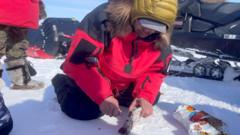
In a recent demonstration of their endurance, the Rangers successfully navigated a massive 5,200-kilometer expedition through the frozen wilderness. The mission forced teams to contend with life-threatening temperatures plummeting to -60C (-76F). While modern equipment is utilized, the unit’s success relies heavily on deep environmental intuition, such as interpreting complex ice shifts and constructing high-performance shelters directly from the landscape.
A core strength of the Rangers is their unique synthesis of modern military strategy and ancestral Indigenous knowledge. By integrating traditional survival wisdom with contemporary training, they have established a highly resilient model for long-term Arctic operations. This dual approach allows them to overcome the harshest climates on Earth, ensuring a sustainable and effective presence in the tundra.
Ultimately, the Rangers represent a specialized force that bridges the gap between modern defense requirements and deep-rooted environmental respect. Their ability to operate where others cannot makes them an indispensable asset in maintaining sovereignty over Canada’s vast and challenging northern reaches.
Key Takeaways
- The Canadian Rangers completed a grueling 5,200-kilometer expedition in extreme Arctic conditions.
- The unit utilizes a unique blend of modern military tactics and traditional Indigenous survival knowledge.
- The Rangers provide essential border security and surveillance in regions with temperatures reaching -60C.
Editor’s Analysis & Impact
The ability of the Canadian Rangers to operate in extreme environments is a critical component of Arctic sovereignty. As global interest in Arctic shipping routes and resource extraction increases due to melting ice, the strategic importance of a permanent, highly skilled presence in the North cannot be overstated. The Rangers’ model of integrating Indigenous expertise with military structure offers a blueprint for specialized environmental defense. This approach not only enhances operational resilience in sub-zero temperatures but also fosters a deep connection to the land that technology alone cannot replicate. Looking forward, as geopolitical tensions in the Arctic region potentially rise, the Rangers will likely remain the cornerstone of Canada’s northern defense strategy, providing a human-centric layer of intelligence and presence that is indispensable for long-term territorial integrity.
Frequently Asked Questions
Q: What makes the Canadian Rangers different from regular military units?
A: They combine modern military training with traditional Indigenous survival techniques, allowing them to thrive in extreme environments where standard units might fail.
Q: How extreme were the conditions during their recent mission?
A: The Rangers completed a 5,200-kilometer expedition in temperatures that dropped as low as -60C (-76F).
AI Disclosure: This article is based on verified data and official reports. Our Team and AI have cross-referenced every financial detail with primary sources to ensure total accuracy.
More from this Category