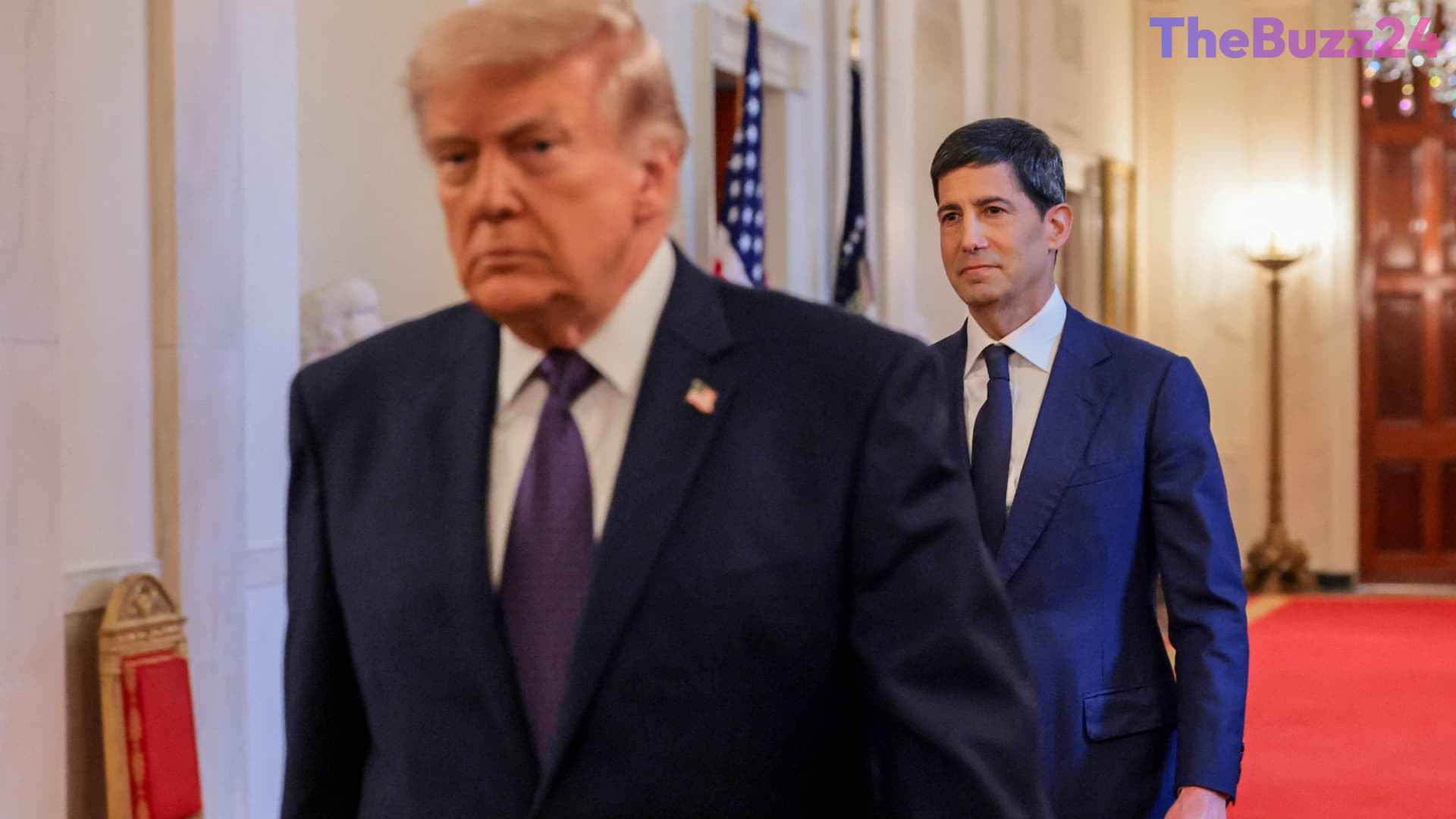
White House Grants Fed Chair Kevin Warsh Grace Period Amid Inflation Surge
The Trump administration is signaling a shift in its approach to monetary policy, offering Federal Reserve Chairman Kevin Warsh an extended period of patience as he navigates a complex economic landscape. Despite President Donald Trump’s frequent public calls for lower interest rates, administration officials are tempering their demands following a recent spike in inflation, which reached 4.1% in May. This change in tone is largely attributed to the administration’s newfound confidence in Warsh, marking a departure from the contentious relationship the White House maintained with his predecessor, Jerome Powell.
While the President continues to advocate for rate cuts, his key economic advisers have adopted a more cautious stance. Recent commentary from figures such as National Economic Council Director Kevin Hassett and Treasury Secretary Scott Bessent suggests a willingness to allow the new Fed leadership the space to stabilize the economy without immediate political interference. This strategic pivot reflects a belief that Warsh’s leadership style aligns better with the administration’s goals, even as the Federal Reserve committee maintains a steady hand on interest rates to combat persistent price pressures.
Economic data remains a primary concern, with core inflation rising to 3.4% when excluding volatile energy and food prices. The Federal Reserve’s decision to hold rates steady and abandon a previous bias toward cuts has been met with market expectations that interest rates may actually rise before the end of the year. As the administration monitors the ongoing instability in the Middle East and its impact on energy costs, the political grace period granted to Warsh remains contingent on his ability to manage these external shocks while steering the economy toward the Fed’s 2% inflation target.
Key Takeaways
- The Trump administration is providing Fed Chair Kevin Warsh a political grace period, signaling more trust in his leadership than in his predecessor.
- Inflation reached 4.1% in May, complicating the Federal Reserve's ability to cut interest rates despite the President's public preference for lower borrowing costs.
- Market expectations have shifted, with many analysts now anticipating potential interest rate hikes by year-end rather than the cuts previously sought by the White House.
Editor’s Analysis & Impact
The current dynamic between the White House and the Federal Reserve represents a significant evolution in institutional relations. By granting Kevin Warsh a ‘grace period,’ the administration is attempting to balance its populist economic agenda—which favors low rates—with the harsh reality of inflationary pressures. This shift suggests that the administration recognizes the risks of overt political pressure on the Fed during a period of geopolitical instability and rising energy costs. However, the President’s inconsistent messaging remains a wild card. If inflation does not cool rapidly, the ‘no daylight’ narrative between the White House and the Fed will likely be tested. Investors should view this as a temporary truce; the long-term outlook remains volatile, as the Fed’s independence will inevitably clash with the administration’s desire for stimulative monetary policy if economic growth slows significantly.
Frequently Asked Questions
Q: Why is the White House easing pressure on the Federal Reserve?
A: The administration is granting Fed Chair Kevin Warsh a grace period due to increased confidence in his leadership and the necessity of addressing rising inflation, which reached 4.1% in May.
Q: What is the current market expectation for interest rates?
A: Markets currently see a 79% chance of an interest rate increase by the end of December, with little to no expectation of rate cuts in the near term.
AI Disclosure: This article is based on verified data and official reports. Our Team and AI have cross-referenced every financial detail with primary sources to ensure total accuracy.
More from this Category