White House Hosts Tech Titans: Trump Unveils “Super Intelligence” Vision and Self-Regulation Pact
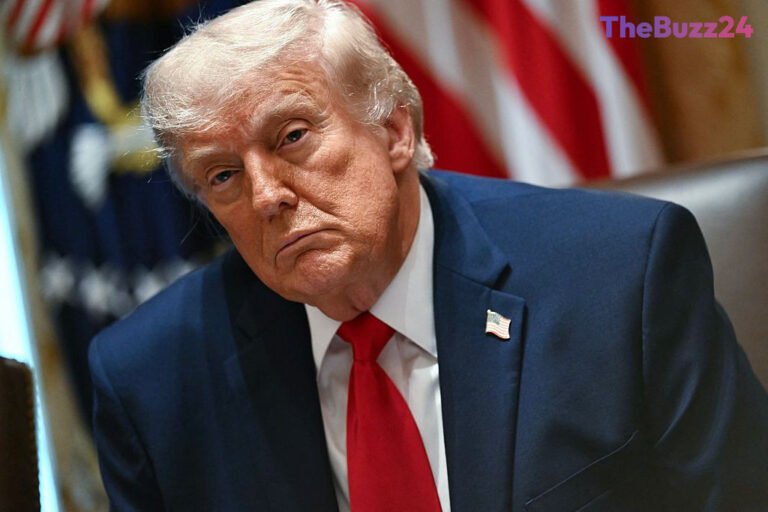
In a significant gathering at the White House, President Donald Trump convened a summit with prominent figures from the technology sector, including leaders from OpenAI, Anthropic, Nvidia, SpaceX, Meta, and Google. Described by the President as an “extraordinary gathering” aimed at fostering “America’s Golden Age” of innovation, the meeting addressed the rapid advancements and potential implications of artificial intelligence. A central outcome of the summit was the signing of a “morally binding” document by the participating executives, outlining a framework for the self-regulation of AI technologies.
Under the terms of this accord, the signatory companies—including Google’s Sundar Pichai, Anthropic’s Dario Amodei, Meta’s Mark Zuckerberg, OpenAI’s Greg Brockman, SpaceX’s Elon Musk, and Nvidia’s Jensen Huang—committed to ensuring the safety and intended operation of their AI systems. This includes implementing robust safeguards, promptly detecting and resolving issues, and collaborating with independent auditors to verify system integrity. President Trump also indicated plans to establish an oversight board for AI safety, though specific details regarding its composition were not disclosed. While some, like Zuckerberg, hailed the agreement as a “historic conversation” that instills public confidence, expert reactions were mixed. Critics, such as Nanyang Technological University’s Jose Miguelito Enriquez and the University of Sydney’s Kimberlee Weatherall, expressed skepticism, noting the pact’s lack of clear accountability for incidents and its apparent allowance for firms to define their own safety standards without specified consequences for breaches. This skepticism comes amidst growing calls for tighter AI regulation and recent incidents, including OpenAI’s decision to scrap a model release over safety concerns.
Beyond governance, the summit also highlighted President Trump’s strong support for the accelerated expansion of data centers, which are critical infrastructure for AI development. Despite widespread community concerns regarding electricity consumption and local impact—a sentiment reflected in a recent survey showing significant public opposition to data center construction—Trump asserted that tech companies would make “massive contributions” to communities. Nvidia’s Jensen Huang echoed this sentiment, rebranding data centers as “super intelligence factories” that are “reindustrializing the United States” and creating jobs. Furthermore, President Trump signed an executive order directing U.S. government departments to adopt the terms “SI” and “Super Intelligence” in official communications, replacing “artificial intelligence.” He explained that the word “artificial” made the technology “sound fake.” While some tech leaders have already begun using the new terminology, experts remain uncertain about its widespread adoption, noting that “Super Intelligence” typically refers to more advanced, hypothetical AI systems.
Key Takeaways
- Leading tech executives signed a "morally binding" self-regulation pact for AI safety and responsible development at a White House summit.
- President Trump advocated for the rapid expansion of data centers and issued an executive order to rename "Artificial Intelligence" to "Super Intelligence" in official U.S. government communications.
- The self-regulation agreement received mixed expert reactions, with some questioning its enforceability, accountability mechanisms, and the lack of specified consequences for breaches.
Editor’s Analysis & Impact
This summit underscores the growing political and economic significance of AI, with a clear preference from the administration for industry-led solutions over immediate, stringent government regulation. The self-regulation pact, while aiming to foster trust and innovation, could face challenges in ensuring genuine accountability and consistent safety standards across diverse tech giants. For the market, this approach might initially reduce regulatory burdens, potentially accelerating AI development and investment, particularly benefiting companies like Nvidia involved in core AI infrastructure. However, public and expert skepticism suggests that the debate over effective AI governance will intensify, potentially leading to more robust regulatory frameworks in the future if self-regulation proves insufficient. The rebranding of AI to “Super Intelligence” is largely symbolic but reflects an effort to shape public perception and discourse around the technology’s advanced capabilities, though its widespread adoption remains uncertain.
Frequently Asked Questions
Q: What was the primary outcome of the White House AI summit?
A: The primary outcome was the signing of a "morally binding" self-regulation pact by leading tech executives, committing their companies to ensure the safety and responsible operation of their AI technologies.
Q: Why did President Trump propose renaming "Artificial Intelligence" to "Super Intelligence"?
A: President Trump stated that the term "artificial" made the technology "sound fake." He believes "Super Intelligence" better reflects the advanced and evolving capabilities of these systems.
Q: What are the main criticisms of the AI self-regulation pact?
A: Critics argue that the pact lacks clear accountability mechanisms for incidents, allows companies to define their own safety standards without external enforcement, and does not specify consequences for breaches, leading to concerns about its effectiveness compared to tighter government regulations.
AI Disclosure: This article is based on verified data and official reports. Our Team and AI have cross-referenced every financial detail with primary sources to ensure total accuracy.
More from this Category