White House Suspends Beef Tariffs to Cut Consumer Prices, Sparking Backlash from Ranchers
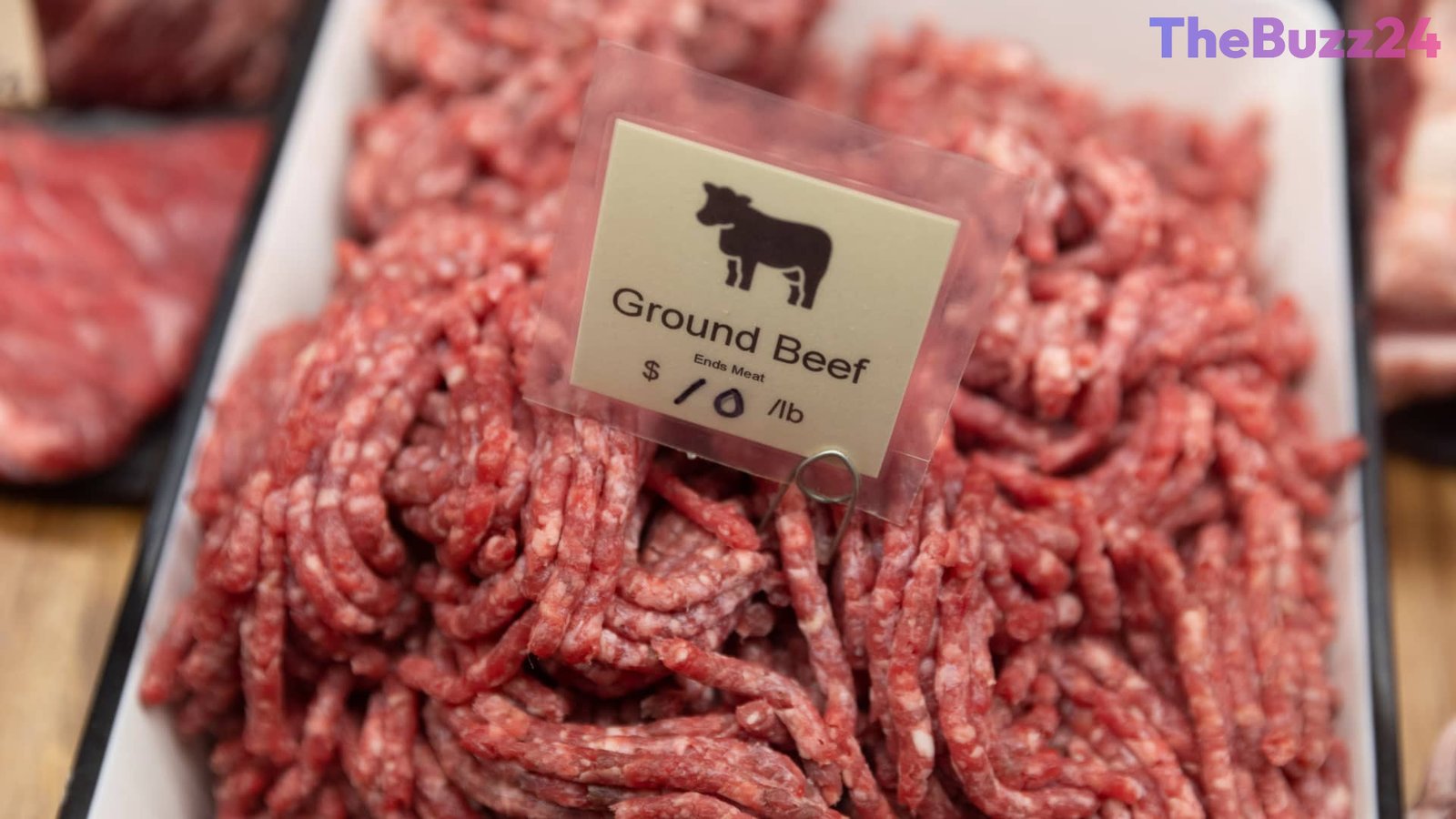
The administration has announced plans to waive out-of-quota tariffs on up to 300,000 metric tons of imported ground beef over the next three months in an urgent bid to lower surging grocery costs for American families. Importers have reportedly committed to pricing the incoming beef at 25% below current market rates. The move comes as political pressure mounts ahead of upcoming congressional elections, with lawmakers and administration officials seeking immediate relief for consumers grappling with high food inflation.
However, the decision has drawn swift condemnation from domestic agricultural organizations and key lawmakers representing major cattle-producing states. Industry groups argue that flooding the domestic market with foreign beef undermines long-term recovery efforts for the U.S. cattle herd, which has shrunk to its lowest levels since the 1950s due to prolonged droughts and high operational costs. Critics warn that undercutting local prices will discourage ranchers from expanding their herds, potentially worsening supply challenges in the future.
While the administration maintains that the temporary tariff relief is designed to ease cost-of-living pressures while allowing domestic herds time to recover, agricultural economists remain skeptical about its practical reach. Much of the imported beef targeted by the waiver consists of frozen product predominantly utilized by the food service industry and fast-food chains rather than fresh retail meat counters, raising questions about how quickly and effectively the initiative will translate into lower prices at neighborhood supermarkets.
Key Takeaways
- The U.S. will permit 300,000 metric tons of ground beef to be imported tariff-free over the next three months.
- Importers have agreed to sell the foreign beef at 25% below current market prices to help consumers.
- Domestic cattle associations and several Republican lawmakers strongly criticized the measure, arguing it harms local ranchers.
Editor’s Analysis & Impact
The administration’s decision to bypass out-of-quota tariffs on foreign ground beef highlights the delicate balancing act between addressing short-term consumer inflation and safeguarding domestic agricultural interests. Food affordability has emerged as a central political liability, prompting aggressive policy interventions. However, agricultural analysts point out that flooding the market with discounted foreign imports may inadvertently disincentivize American ranchers from investing in herd expansion, which remains the only viable long-term solution to structural supply deficits. Furthermore, because a significant portion of imported grinding beef serves the fast-food and food service sectors rather than traditional grocery retail, the immediate relief felt by everyday shoppers might be less pronounced than anticipated. Moving forward, the administration will face ongoing scrutiny to ensure short-term political fixes do not inflict permanent structural damage on the domestic livestock industry.
Frequently Asked Questions
Q: Why are beef prices currently so high in the United States?
A: U.S. beef prices have soared due to a severely reduced national cattle herd, driven by years of severe drought, high feed costs, and extensive herd liquidation that brought inventory down to levels not seen since the 1950s.
Q: What does the new executive action entail?
A: The executive action temporarily waives out-of-quota tariffs on up to 300,000 metric tons of imported ground beef over a three-month period, with a commitment from importers to sell the product at 25% below current market prices.
Q: Why are agricultural groups and ranchers opposed to this policy?
A: Ranchers and agricultural associations argue that cheap foreign imports flood the market, depress domestic cattle prices, and undermine the long-term financial stability required for American producers to rebuild their herds.
AI Disclosure: This article is based on verified data and official reports. Our Team and AI have cross-referenced every financial detail with primary sources to ensure total accuracy.
More from this Category