Ohio Senate Battle Intensifies as Data Center Energy Debate Roils Re-election Bid
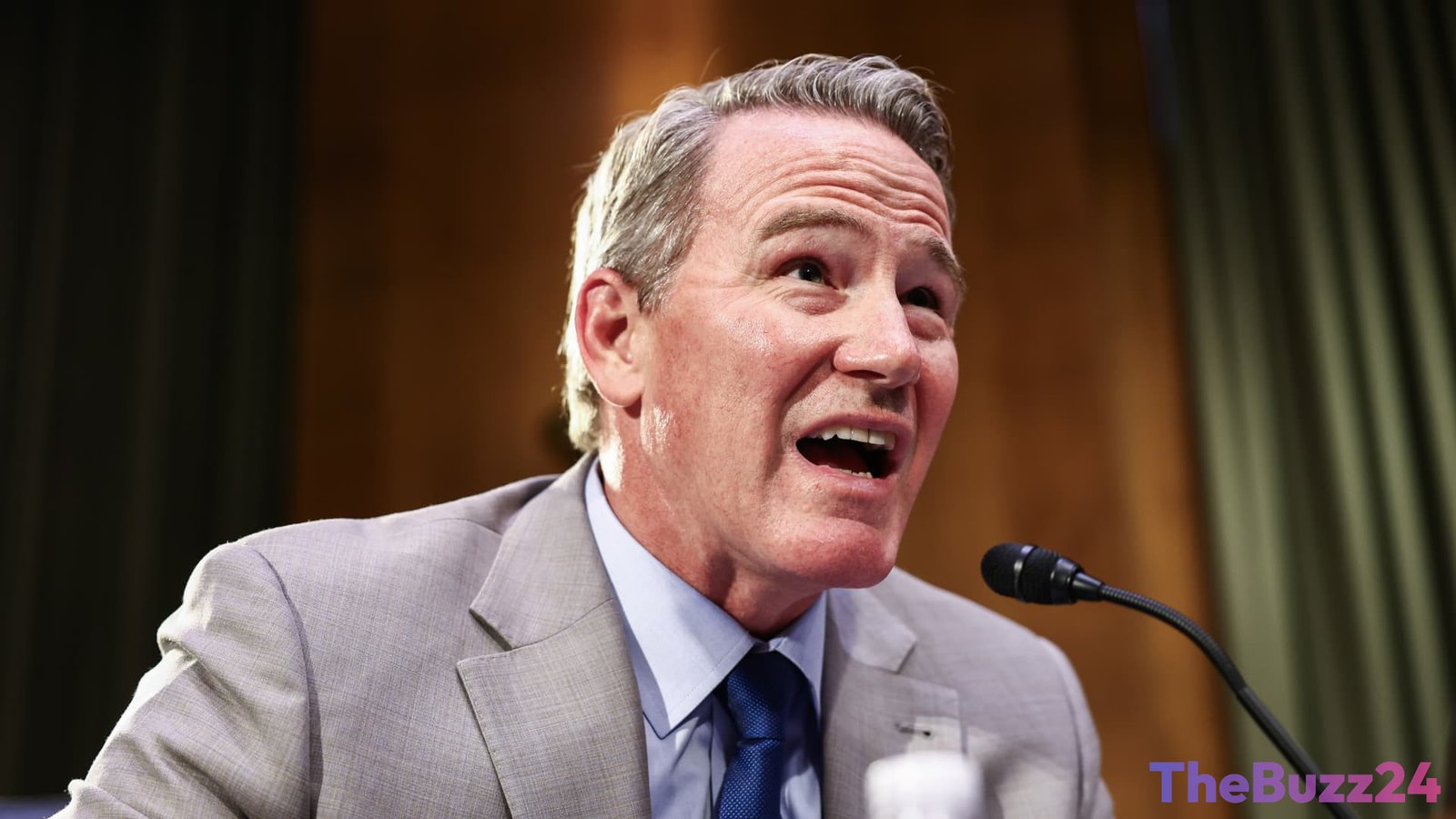
Ohio Senator Jon Husted is vigorously defending his energy and economic policies as concerns mount over the impact of large data centers on utility prices, an issue that could significantly influence his re-election bid this November. Appearing alongside Vice President JD Vance and other Republican officials at the Cleveland-Cliffs steel plant in Middletown, Ohio, Husted addressed growing voter anxiety, which the National Republican Senatorial Committee (NRSC) has identified as a potential vulnerability for his campaign against former Democratic Senator Sherrod Brown.
Husted attributed rising electricity costs not to data center expansion, but to what he described as “radical climate policies” implemented by previous Democratic administrations. He specifically cited the closure of 23 power plants in Ohio under the Obama and Biden administrations, which he claimed accounted for half of the state’s daily electricity usage. This stance directly counters the narrative that Ohio’s numerous large data center projects, including a proposed 10-gigawatt campus in Pike County, are the primary drivers of increased utility bills.
However, the campaign for his opponent, Sherrod Brown, offers a different perspective. A spokesperson for Brown’s campaign stated that Husted, during his tenure as the state’s lieutenant governor, played a key role in securing tax breaks for data centers, suggesting these incentives are the true cause of higher utility expenses. The NRSC has underscored the gravity of the situation, warning in a recent memo that data centers have emerged as a “sleeper issue” this election cycle, with potential to expand beyond Ohio if voter perceptions are not quickly addressed.
Beyond the energy debate, Husted also highlighted investments in Ohio’s manufacturing sector, including a $500 million Department of Energy grant for Cleveland-Cliffs. While initially awarded by the Biden administration for a hydrogen-powered furnace, the funds are now being directed towards other upgrades, including blast furnace improvements and artificial intelligence technologies, with Cleveland-Cliffs matching the grant for a total $1 billion investment. Husted framed these investments as crucial for job security, economic stability, and national security, aiming to bolster his economic credentials amidst a tight race where recent polling shows him narrowly trailing Brown. The outcome of this Senate race is considered vital for Republicans hoping to maintain their majority in the Senate.
Key Takeaways
- Senator Jon Husted is defending his energy policies, blaming Democratic administrations for rising utility costs, while facing criticism that data centers, for which he secured tax breaks, are the real cause.
- The National Republican Senatorial Committee warns that public backlash against data centers' energy consumption is a "sleeper issue" that could jeopardize Husted's crucial Ohio Senate seat and the GOP's Senate majority.
- Husted's re-election campaign is tightly contested, with his opponent's team directly linking his past actions on data center tax breaks to current utility bill concerns, making energy policy a central campaign issue.
Editor’s Analysis & Impact
The escalating debate over data center energy consumption in Ohio highlights a critical intersection of technology, energy policy, and political strategy. For the tech industry, particularly data center operators, this scrutiny signals a growing need for transparent energy practices and investment in sustainable infrastructure to mitigate public and political backlash. The politicization of utility costs, linking them directly to data center development, could lead to more stringent regulatory environments and potentially higher operational costs in states seeking to balance economic development with environmental and consumer concerns. This issue is likely to resonate beyond Ohio, influencing future site selection decisions and pushing for greater accountability in energy usage across the digital infrastructure sector.
Frequently Asked Questions
Q: What is the main concern regarding data centers in Ohio?
A: The primary concern is that the increasing number and size of data centers in Ohio are driving up electricity demand, leading to higher utility prices for residents and businesses.
Q: How does Senator Husted explain rising utility costs?
A: Senator Husted attributes rising electricity costs to "radical climate policies" of past Democratic administrations, specifically citing the closure of numerous power plants in Ohio, rather than the expansion of data centers.
Q: Why is Senator Husted's re-election considered crucial?
A: Senator Husted's re-election is seen as vital for the Republican Party's efforts to maintain its majority in the U.S. Senate in the upcoming Congress, making his race a key battleground.
AI Disclosure: This article is based on verified data and official reports. Our Team and AI have cross-referenced every financial detail with primary sources to ensure total accuracy.
More from this Category