Why Apple Skipped President Trump’s High-Profile White House AI Summit
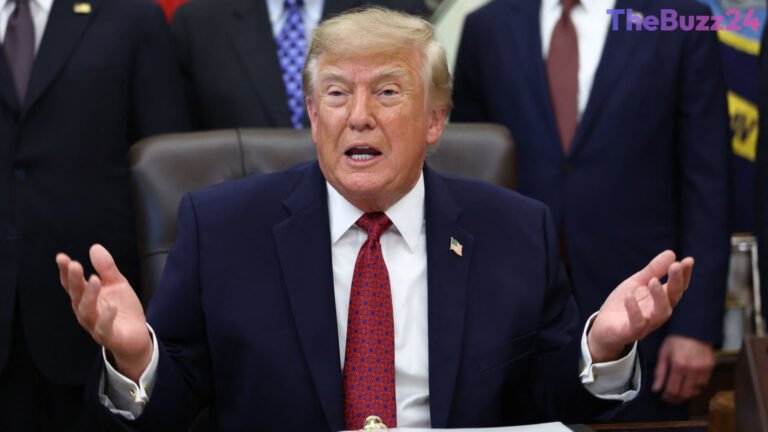
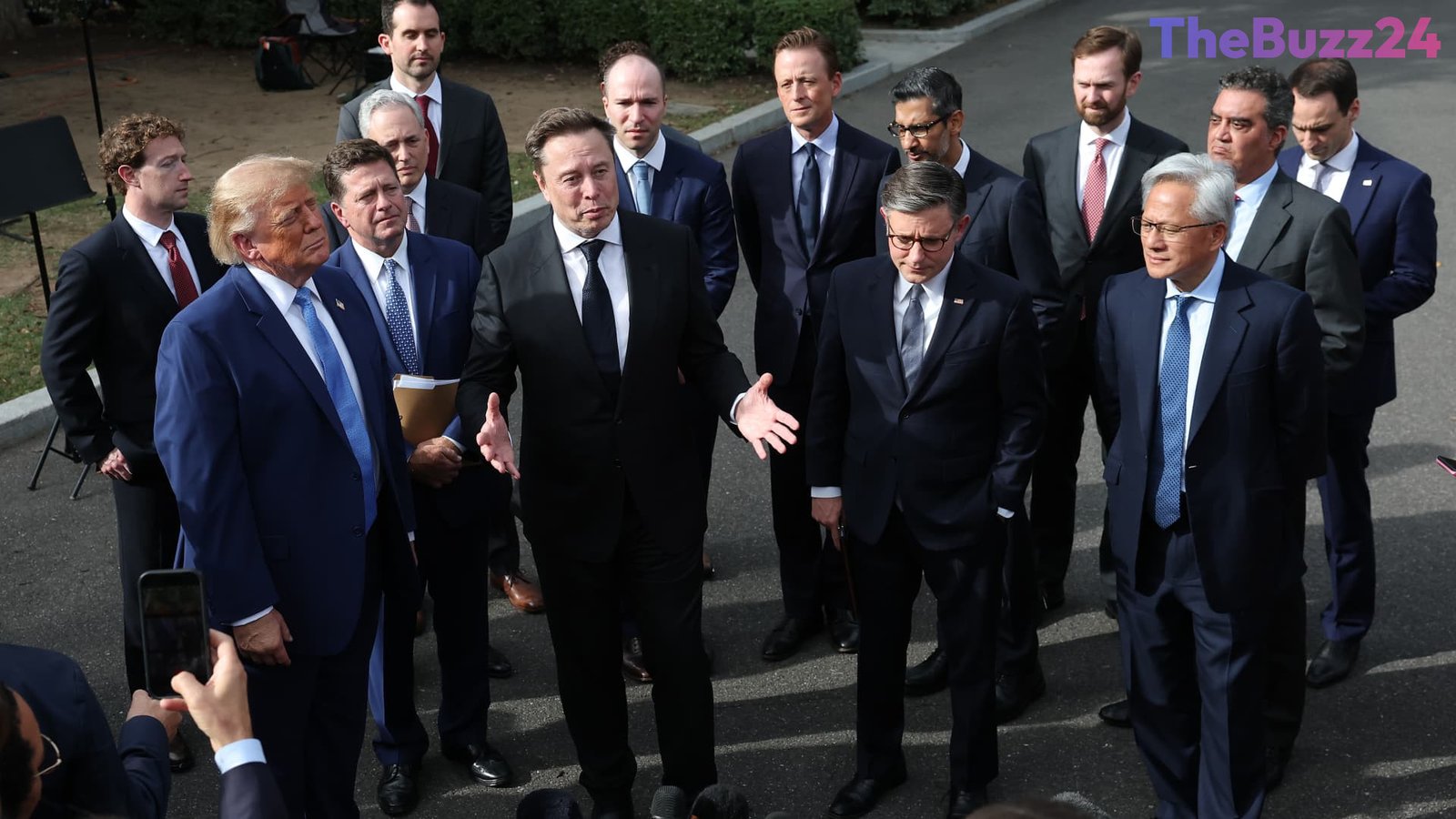
President Donald Trump recently convened a high-profile gathering of the world’s leading technology executives at the White House to discuss the future of artificial intelligence. While leaders from almost every major American tech giant attended the luncheon, Apple was conspicuously absent. Neither the company’s newly appointed CEO, John Ternus, nor its Executive Chairman, Tim Cook, made an appearance. The absence sparked immediate speculation across the industry, especially given Cook’s historically strong relationship with the Trump administration.
Despite the online chatter suggesting Apple was snubbed due to lagging behind in the AI race, industry insiders have downplayed the situation. Altimeter Capital CEO Brad Gerstner characterized the absence as a “nothing burger,” pointing out that Cook had been at the White House just days prior for a state dinner with Chinese President Xi Jinping. Under Apple’s recent leadership transition, Cook stepped down as CEO to become Executive Chairman, specifically retaining the responsibility of managing global government relations. His ongoing diplomacy has previously helped Apple navigate complex trade tariffs and manufacturing challenges.
The distinction lies in Apple’s unique approach to artificial intelligence compared to its peers. The White House meeting focused heavily on “frontier” AI models and safety alignment, culminating in an industry accord signed by leaders from Nvidia, OpenAI, Meta, Google, and Anthropic. Unlike these enterprise-focused giants investing heavily in massive, cloud-based chip clusters, Apple focuses on smaller, highly efficient consumer-facing models designed to run directly on user devices like iPhones and Macs.
This consumer-centric strategy has shielded Apple from the massive capital expenditures weighing on other tech giants, positioning its stock as a favored hedge for investors. Apple’s shares have climbed over 22% recently, keeping pace with market leaders like Nvidia. Furthermore, Apple historically avoids public policy debates that do not directly intersect with its core business operations, explaining why the company chose not to participate in the broader safety accord discussions.
Key Takeaways
- Apple was the only major U.S. tech giant absent from President Trump's White House AI summit, where other tech leaders signed a safety accord.
- Industry experts downplayed the absence, noting that Apple's AI strategy focuses on consumer-facing, on-device models rather than the massive 'frontier' models discussed at the meeting.
- Executive Chairman Tim Cook continues to lead Apple's government relations, maintaining a strong connection with the Trump administration despite skipping this specific event.
Editor’s Analysis & Impact
Apple’s absence from the White House AI summit highlights a fundamental divergence in corporate AI strategies. While competitors like Microsoft, Google, and Meta are locked in a high-stakes, capital-intensive arms race to build massive enterprise-grade ‘frontier’ models, Apple is quietly focusing on consumer integration. By optimizing smaller, on-device models that run on its proprietary silicon, Apple avoids the astronomical infrastructure costs plaguing its peers. This pragmatic approach has turned Apple into an attractive hedge for investors wary of over-inflated AI capital expenditures. However, staying out of the regulatory and safety spotlight could be a double-edged sword. As governments begin to codify AI safety standards, Apple’s hands-off approach to policy debates might leave it with less influence over future regulatory frameworks that could ultimately impact consumer technology.
Frequently Asked Questions
Q: Why didn't Apple attend the White House AI meeting?
A: Apple's absence is attributed to its distinct AI strategy. The meeting focused on massive 'frontier' models and enterprise AI safety, whereas Apple focuses on smaller, consumer-oriented, on-device AI. Additionally, Apple typically refrains from participating in public policy discussions that do not directly impact its immediate business operations.
Q: Who represents Apple in government relations now that Tim Cook is no longer CEO?
A: Although John Ternus has succeeded Tim Cook as CEO, Cook transitioned to the role of Executive Chairman. In this position, Cook remains the public face of Apple for global policymakers and continues to manage the company's relationship with the Trump administration.
Q: How is Apple's AI strategy different from companies like OpenAI or Google?
A: Unlike OpenAI, Google, or Anthropic, which build massive cloud-based models requiring immense server infrastructure, Apple designs smaller, efficient models meant to run locally on its own hardware, such as iPhones and Macs, often partnering with other firms for broader cloud-based AI queries.
AI Disclosure: This article is based on verified data and official reports. Our Team and AI have cross-referenced every financial detail with primary sources to ensure total accuracy.
More from this Category