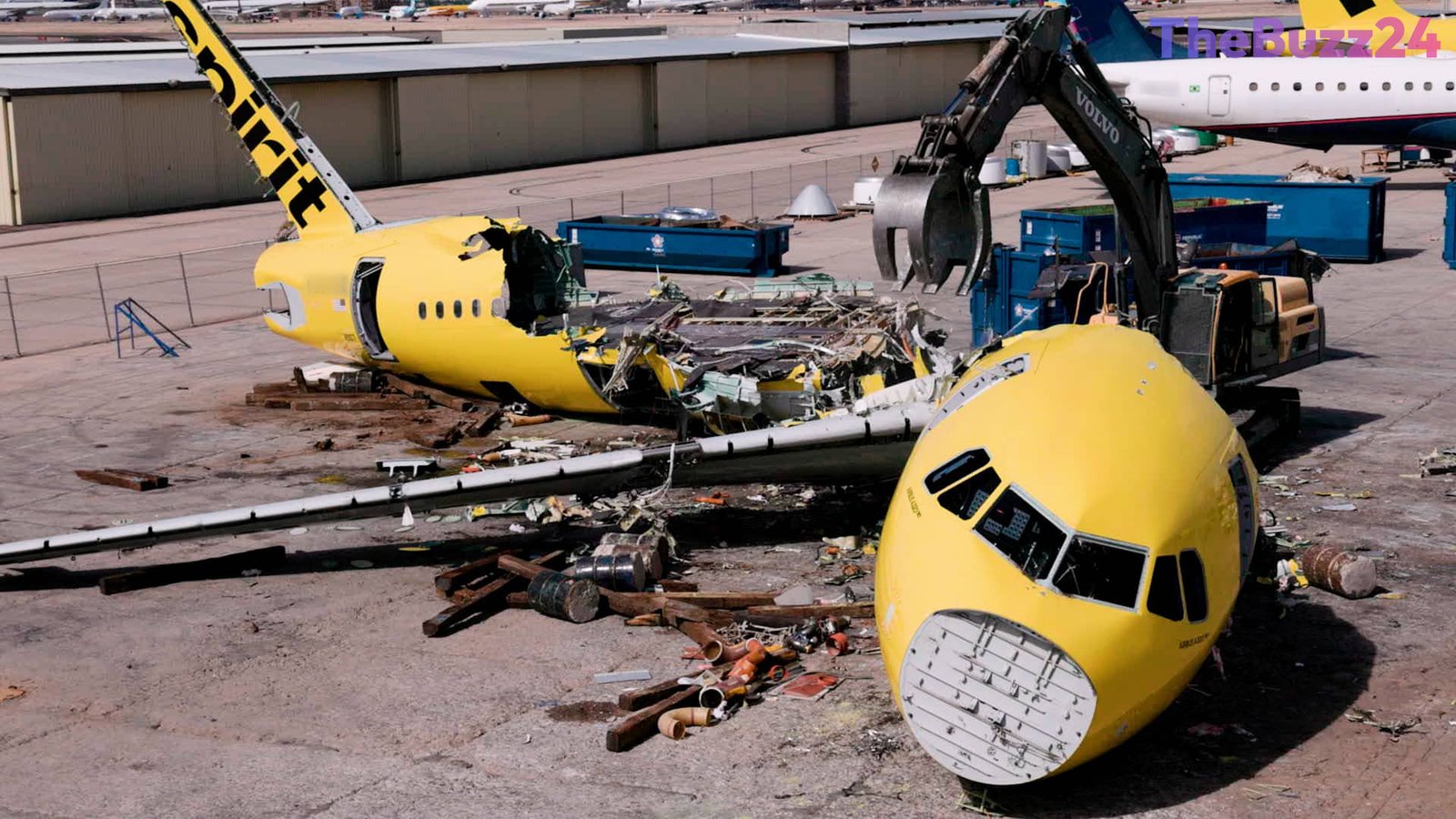
Why Brand-New Passenger Jets Are Being Scrapped Decades Early
A severe supply chain bottleneck in commercial aviation is driving an unprecedented trend across the global industry: state-of-the-art passenger jets are being torn apart for scrap long before reaching the end of their operational lifespans. Modern airliners like the Airbus A320neo, which are engineered to fly for well over two decades, are increasingly being pulled from service and dismantled after just four to six years. Driven by an acute shortage of critical components—most notably high-tech jet engines—leasing firms and aviation asset managers are discovering that liquidating young aircraft for parts yields far greater financial returns than keeping them idle while waiting years for maintenance.
The secondary market for aircraft components has reached record valuation levels, fueled by persistent manufacturing delays and backlog at repair facilities. Engine recalls, including those stemming from manufacturing defects in Pratt & Whitney turbofans, have grounded hundreds of aircraft globally, while alternative powerplants from manufacturers like CFM International face similar supply constraints. As a result, individual replacement components have skyrocketed in value. Single engine fan blades can command prices exceeding $100,000, while monthly engine lease rates have climbed to nearly $180,000. For aircraft owners facing multi-year lead times for maintenance overhauls, harvesting high-demand parts like landing gear, avionics, and engines for immediate resale makes far more economic sense than paying continuous desert storage fees.
This early teardown phenomenon has been further accelerated by financial instability within the airline sector, including the collapse of carriers like Spirit Airlines, which released dozens of young Airbus jets back onto the market. Faced with the choice between expensive long-term storage or immediate liquidation, asset managers are increasingly choosing to strip these planes. Once valuable electronics and mechanical systems are removed, the remaining aluminum fuselages are crushed with heavy machinery and sent off to recycling smelters. While industry observers describe the process as bittersweet, the current economics of aerospace manufacturing mean these young airframes are frequently worth far more dead than alive.
Key Takeaways
- Severe engine shortages and repair backlogs are forcing asset managers to scrap aircraft under seven years old, far below their traditional 20-year lifespan.
- Skyrocketing prices in the secondary parts market mean harvested components like engine fan blades and landing gear generate higher immediate returns than whole aircraft sales.
- The financial distress and liquidation of carriers like Spirit Airlines have flooded the market with idle planes, accelerating the rate of early aircraft teardowns.
Editor’s Analysis & Impact
The early scrapping of modern narrow-body aircraft highlights a structural breakdown in the aerospace manufacturing and maintenance ecosystem. Engine original equipment manufacturers (OEMs) are caught between production defects and severe capacity constraints, leaving airlines under-capacity and desperate for spare parts. This bottleneck has created a lucrative arbitrage opportunity: acute component scarcity has inflated secondary market values to the point where liquidating functional, low-hour airframes yields higher immediate cash flows than keeping them operational. Looking ahead, this phenomenon threatens to restrict overall global passenger capacity and drive up ticket prices as airline fleet growth stalls. Until engine manufacturers resolve repair bottlenecks and stabilize supply chains, asset managers will continue prioritizing high-margin parts harvesting over long-term commercial flight operations.
Frequently Asked Questions
Q: Why are relatively new passenger planes being scrapped instead of repaired?
A: Severe shortages of replacement parts and multi-year backlogs at engine repair facilities mean planes can remain grounded for years. Aircraft owners often choose to strip young planes for high-demand parts immediately rather than pay ongoing storage costs while waiting for repairs.
Q: Which aircraft components are the most valuable during a teardown?
A: Jet engines and their internal components—such as titanium fan blades and engine discs—are by far the most valuable, along with landing gear assemblies, flight control systems, and specialized avionics.
Q: How long are commercial passenger jets designed to stay in service?
A: Most narrow-body commercial airliners are engineered and built to operate safely for roughly 20 to 22 years under standard maintenance schedules.
AI Disclosure: This article is based on verified data and official reports. Our Team and AI have cross-referenced every financial detail with primary sources to ensure total accuracy.
More from this Category