Navy Exchange Service Command Pivots to Modern Retail to Sustain Military Support Programs
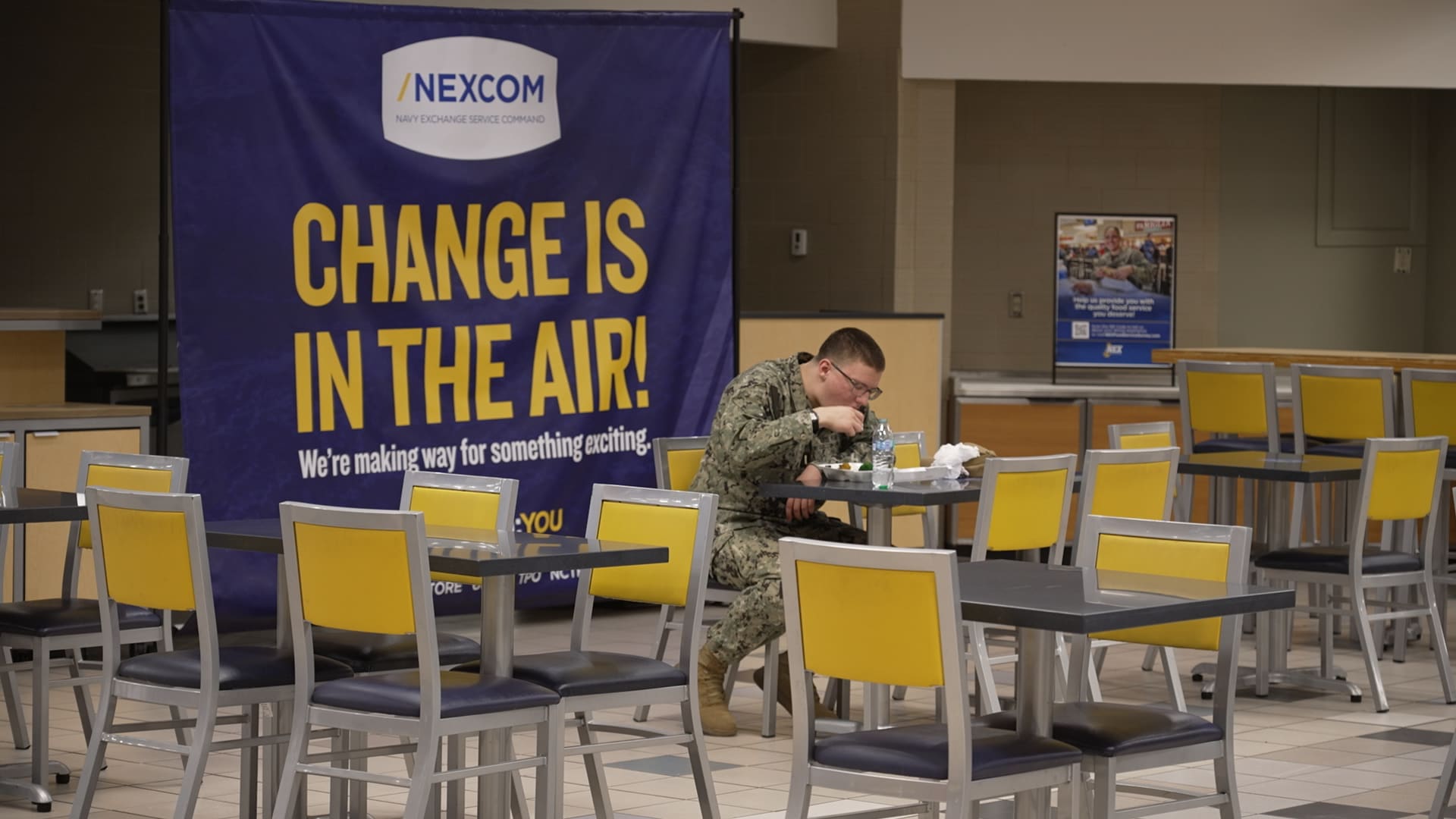
The Navy Exchange Service Command (Nexcom) is undergoing a critical transformation as it struggles to maintain its retail footprint against the dominance of global e-commerce giants. As a vital provider of tax-free goods to active-duty personnel and veterans, Nexcom serves a dual purpose: offering essential services and generating the necessary revenue to fund Morale, Welfare, and Recreation (MWR) programs. These programs are the backbone of military family support, covering everything from childcare services to community-building events.
Over the last decade, Nexcom has faced a steady decline in sales as service members increasingly shift their purchasing habits toward the convenience and vast inventory of civilian retailers like Amazon and Walmart. This shift has created a budgetary ripple effect, leading to a significant reduction in the dividends available for MWR initiatives. The organization has acknowledged that its legacy store layouts and digital infrastructure have struggled to keep pace with the seamless, high-tech shopping experiences provided by modern competitors.
To reverse this trend, the Navy has initiated a multi-million dollar ‘Store of the Future’ project. This comprehensive overhaul focuses on revitalizing the physical shopping environment through improved lighting, clearer signage, and a more strategic curation of products. Early data from modernized locations indicates a positive response, with both sales figures and customer satisfaction metrics showing signs of recovery.
Beyond physical renovations, Nexcom is leaning into its unique value proposition: a deep-rooted connection to the military community. By prioritizing a shopping environment that understands the specific needs and pressures of service life, the organization aims to build a level of loyalty that goes beyond price-matching. This strategy seeks to ensure that the exchange remains a cornerstone of the military experience while securing the long-term financial health of essential support programs.
Key Takeaways
- Nexcom retail profits are essential for funding military Morale, Welfare, and Recreation (MWR) programs.
- Increased competition from e-commerce giants has led to a decade-long decline in sales and subsequent funding gaps for military support services.
- The 'Store of the Future' initiative is successfully using store modernization and a focus on military-specific community needs to drive a sales recovery.
Editor’s Analysis & Impact
The struggle faced by Nexcom is a microcosm of the broader ‘retail apocalypse’ affecting brick-and-mortar establishments, complicated by the unique mission-critical nature of military funding. The organization is essentially attempting to bridge the gap between a traditional retail model and the high-convenience expectations of a modern, digitally native workforce. If the ‘Store of the Future’ initiative continues to yield positive results, it could serve as a blueprint for other government-run retail entities. However, the long-term outlook remains challenging; as consumer habits continue to favor rapid delivery and algorithmic personalization, Nexcom must not only improve its physical stores but also achieve a level of digital sophistication that rivals private-sector leaders. Failure to do so could force the military to seek alternative funding models for MWR programs, potentially impacting the quality of life for service members.
Frequently Asked Questions
Q: Why is the success of Nexcom stores important for military families?
A: Nexcom profits are a primary funding source for Morale, Welfare, and Recreation (MWR) programs, which provide essential services like childcare and community support for military families.
Q: What is the 'Store of the Future' initiative?
A: It is a modernization project involving hundreds of millions of dollars to redesign Navy Exchange locations with better lighting, signage, and product curation to compete with modern civilian retailers.
AI Disclosure: This article is based on verified data and official reports. Our Team and AI have cross-referenced every financial detail with primary sources to ensure total accuracy.
More from this Category