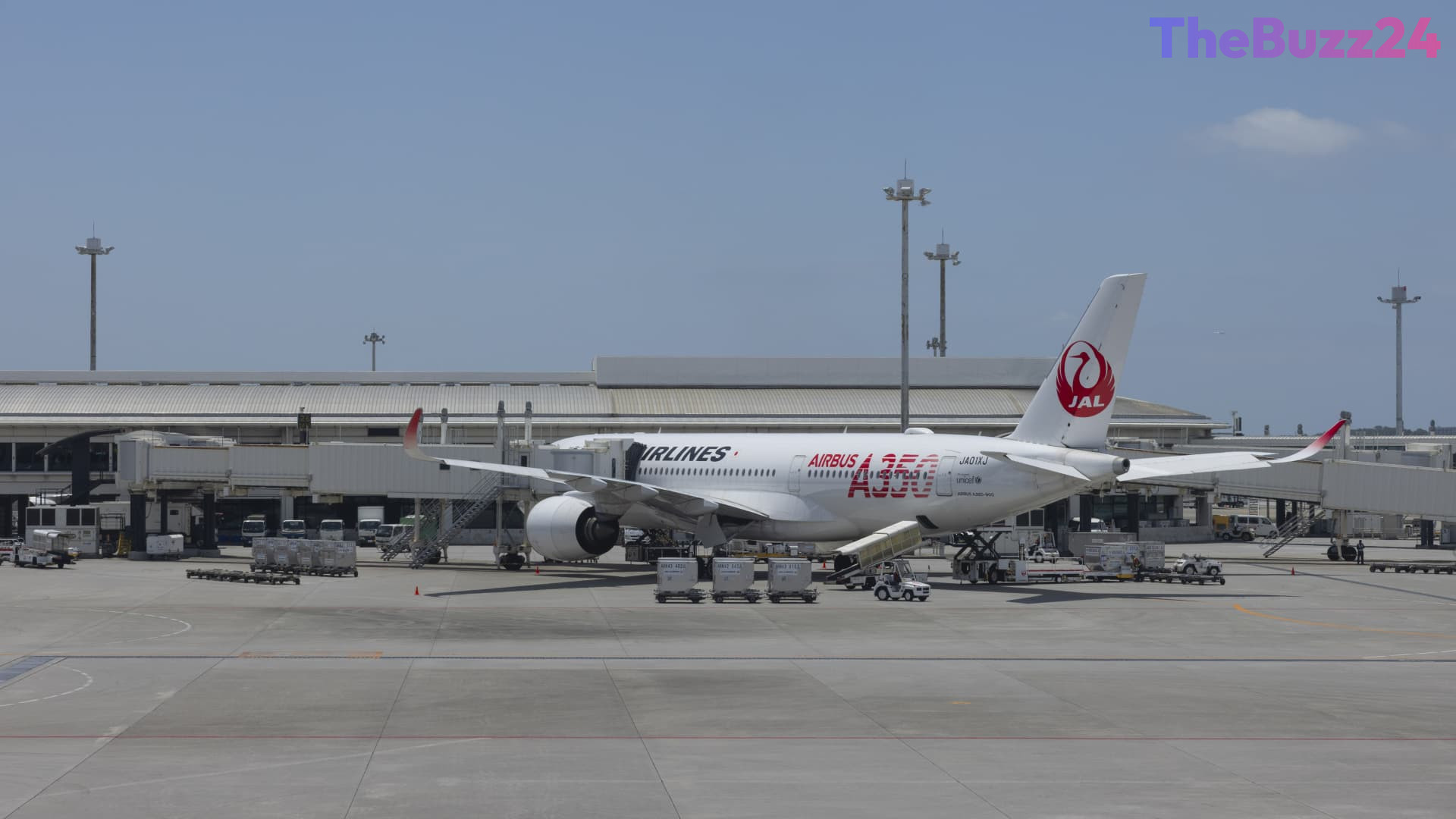
Why Travelers to Japan Face $400 Fuel Surcharges Despite Falling Oil Prices
Travelers booking flights to Japan are facing a steep rise in travel costs as the nation’s leading carriers, All Nippon Airways (ANA) and Japan Airlines (JAL), implement significant fuel surcharge hikes. For tickets purchased during July and August, these surcharges have climbed to as much as 65,000 yen (approximately $400) on long-haul routes connecting Japan with North America, Europe, the Middle East, and Oceania. This surge comes at a time when global jet fuel prices have actually begun to cool down, leaving many passengers puzzled by the sudden spike in ticket pricing.
The discrepancy between current market rates and the newly implemented surcharges lies in the specific pricing models utilized by Japanese airlines. Surcharges are calculated using a lagging average of fuel costs from previous months rather than real-time market rates. Consequently, the July and August fees reflect the elevated fuel prices from April and May, which averaged $178.21 per barrel, even though jet fuel prices have since dropped closer to $113 per barrel. Additionally, government subsidies aimed at mitigating soaring energy costs have prevented these surcharges from climbing even higher.
While the weakened Japanese yen—which recently hit a historic 40-year low—somewhat cushions the blow for international travelers paying in U.S. dollars, the overall cost of visiting Japan is rising. Alongside the fuel surcharges, travelers must also navigate newly increased departure taxes, which tripled to 3,000 yen, and significantly higher visa fees. Fortunately, because ANA and JAL adjust their fuel levies every two months, relief may be on the horizon. Surcharges are projected to decrease for tickets purchased in September and October, aligning with the lower fuel prices recorded in June and July.
Key Takeaways
- ANA and Japan Airlines have raised fuel surcharges to up to $400 (65,000 yen) for long-haul flights booked in July and August.
- The price hike is due to a bi-monthly lagging calculation method based on April and May fuel averages, despite a recent drop in global jet fuel prices.
- Additional travel expenses, including increased departure taxes and visa fees, are further raising the cost of travel to Japan.
Editor’s Analysis & Impact
The lag in fuel surcharge adjustments highlights a structural challenge in airline pricing models, where consumers bear the brunt of past market volatility even during periods of market correction. For ANA and Japan Airlines, these surcharges are critical to maintaining operating margins amid high geopolitical uncertainty and fluctuating energy markets. However, the timing of these hikes, combined with newly increased government departure taxes and visa fees, could temporarily dampen the post-pandemic tourism boom Japan has been experiencing. On the flip side, the historic weakness of the yen acts as a natural stabilizer, making local expenses highly affordable for foreign tourists and offsetting the sting of the surcharges. Looking forward, as lower June and July fuel prices are factored into the autumn cycle, we expect a downward adjustment in surcharges, which should revitalize travel demand ahead of the peak autumn tourism season.
Frequently Asked Questions
Q: Why are fuel surcharges rising if oil prices are currently falling?
A: Japanese airlines calculate fuel surcharges using a bi-monthly lagging average. The surcharges for July and August are based on the higher fuel prices from April and May, meaning current market drops will not be reflected in ticket prices until the next adjustment cycle.
Q: When are these high fuel surcharges expected to decrease?
A: Surcharges are expected to drop for tickets purchased in September and October, as those rates will be calculated based on the lower average jet fuel prices recorded in June and July.
Q: What other fee increases should travelers to Japan be aware of?
A: In addition to fuel surcharges, Japan has increased its departure tax from 1,000 yen to 3,000 yen, and visa fees have risen from 3,000 yen to 15,000 yen per person.
AI Disclosure: This article is based on verified data and official reports. Our Team and AI have cross-referenced every financial detail with primary sources to ensure total accuracy.
More from this Category