Wisconsin Election Board Finds Probable Cause in Elon Musk’s $1 Million Voter Giveaways
Billionaire entrepreneur Elon Musk is facing potential legal jeopardy in Wisconsin after a bipartisan state election panel determined there is probable cause he violated state bribery laws. The Wisconsin Elections Commission voted 5-1 to refer two voter complaints to the Brown County District Attorney’s office. Prosecutors now have a 40-day window to decide whether to file formal criminal charges against the Tesla and SpaceX chief executive regarding the $1 million checks he distributed during the high-stakes 2025 state Supreme Court race.
The controversy stems from Musk’s intense involvement in the judicial election, where he and affiliated groups poured at least $20 million into supporting conservative candidate Brad Schimel. Despite the massive financial influx, Schimel ultimately lost the race to liberal-backed Susan Crawford by a ten-percentage-point margin. The overall contest became the most expensive judicial election in U.S. history, exceeding $100 million in total spending. Following the defeat, Musk publicly indicated he would scale back his political campaign expenditures.
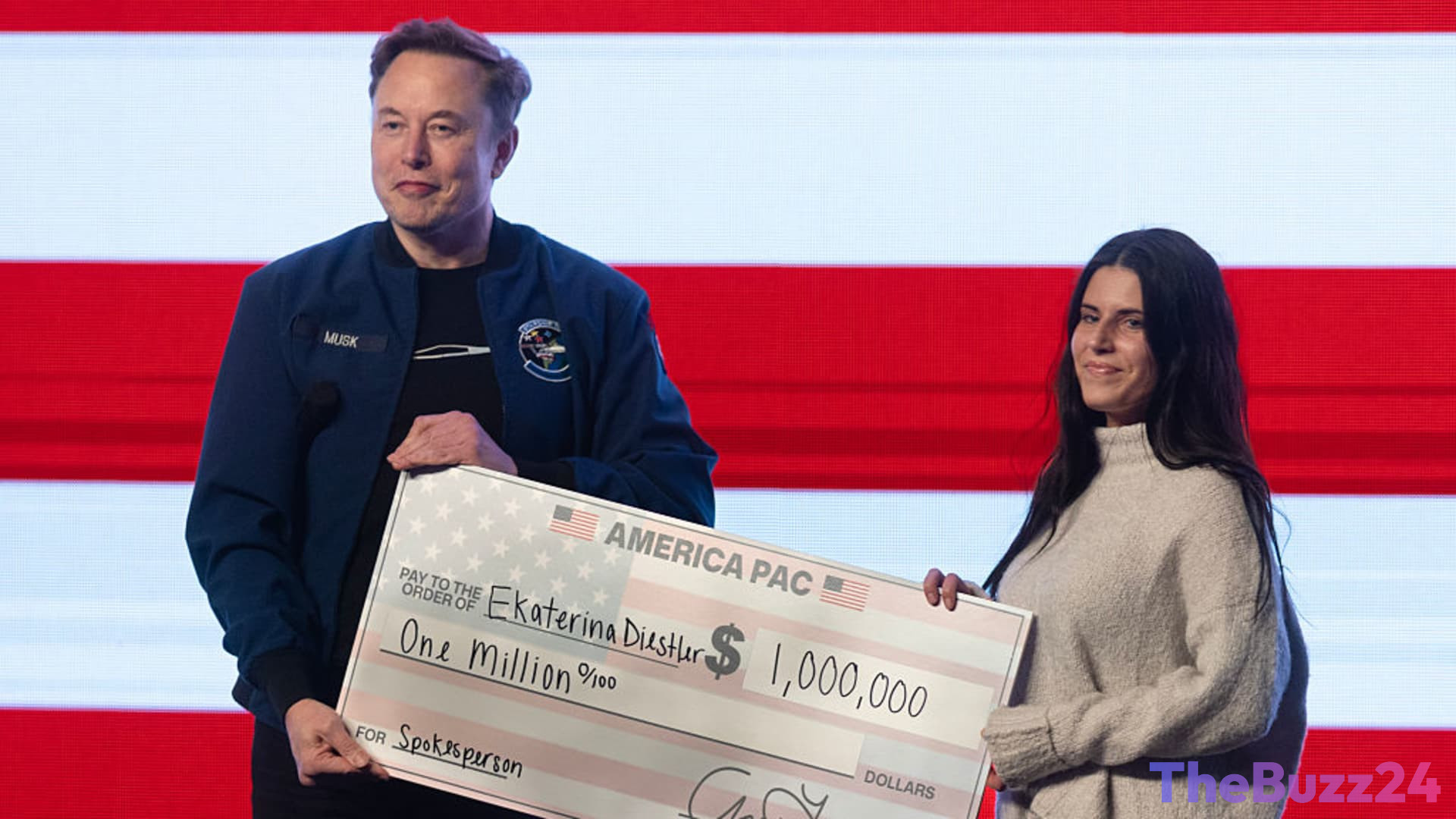
According to the commission’s findings, Musk’s social media posts offering million-dollar payouts to voters were allegedly designed to induce participation in the election, which runs afoul of Wisconsin’s strict anti-bribery statutes. Three voters in the state received the $1 million payments, with Musk handing out checks personally at a campaign rally in Green Bay. Additionally, Musk’s political action committee, America PAC, had offered smaller cash incentives for signing petitions targeting “activist judges.”
While Musk’s legal team has consistently defended the giveaways as protected free speech aimed at grassroots mobilization rather than direct vote-buying, the pressure is mounting. A separate civil lawsuit filed by the watchdog group Wisconsin Democracy Campaign is currently pending, aiming to permanently ban Musk from conducting cash giveaways in the state. This follows previous unsuccessful attempts by the state’s attorney general to block the payments in court, where judges initially declined to intervene.
Key Takeaways
- The Wisconsin Elections Commission found probable cause that Elon Musk's $1 million voter giveaways likely violated state election bribery laws.
- The local district attorney has 40 days to determine whether to file criminal charges against the billionaire.
- Despite Musk spending over $20 million to support conservative candidate Brad Schimel, the liberal-backed candidate won the historic $100 million judicial race.
Editor’s Analysis & Impact
This development highlights the growing tension between ultra-wealthy political donors and state-level election integrity laws. Musk’s strategy of using massive cash giveaways to incentivize voter behavior pushes the boundaries of campaign finance and electioneering laws. While his legal team successfully argued in other jurisdictions that these payments constitute protected free speech and petition drives, Wisconsin’s bipartisan commission signals a lower tolerance for tactics that resemble direct financial inducement. If the district attorney pursues criminal charges, it could set a major legal precedent, chilling similar high-stakes financial promotions in future elections. Conversely, a failure to prosecute may normalize direct cash incentives in political campaigns, fundamentally altering the landscape of American electoral influence and raising the financial barrier to entry for grassroots campaigns.
Frequently Asked Questions
Q: Why is Elon Musk being investigated in Wisconsin?
A: The Wisconsin Elections Commission found probable cause that Musk may have violated state election bribery laws by offering and distributing $1 million checks to voters during the 2025 state Supreme Court election.
Q: What defense has Musk's legal team presented?
A: Musk's attorneys argue that the cash giveaways are a form of protected free speech under the U.S. and state constitutions, designed to build a grassroots movement against activist judges rather than directly buying votes.
Q: What are the potential consequences for Musk?
A: The local district attorney has 40 days to decide whether to bring criminal charges. Additionally, a pending civil lawsuit from a watchdog group seeks to permanently ban Musk from offering cash incentives to voters in Wisconsin.
AI Disclosure: This article is based on verified data and official reports. Our Team and AI have cross-referenced every financial detail with primary sources to ensure total accuracy.
More from this Category