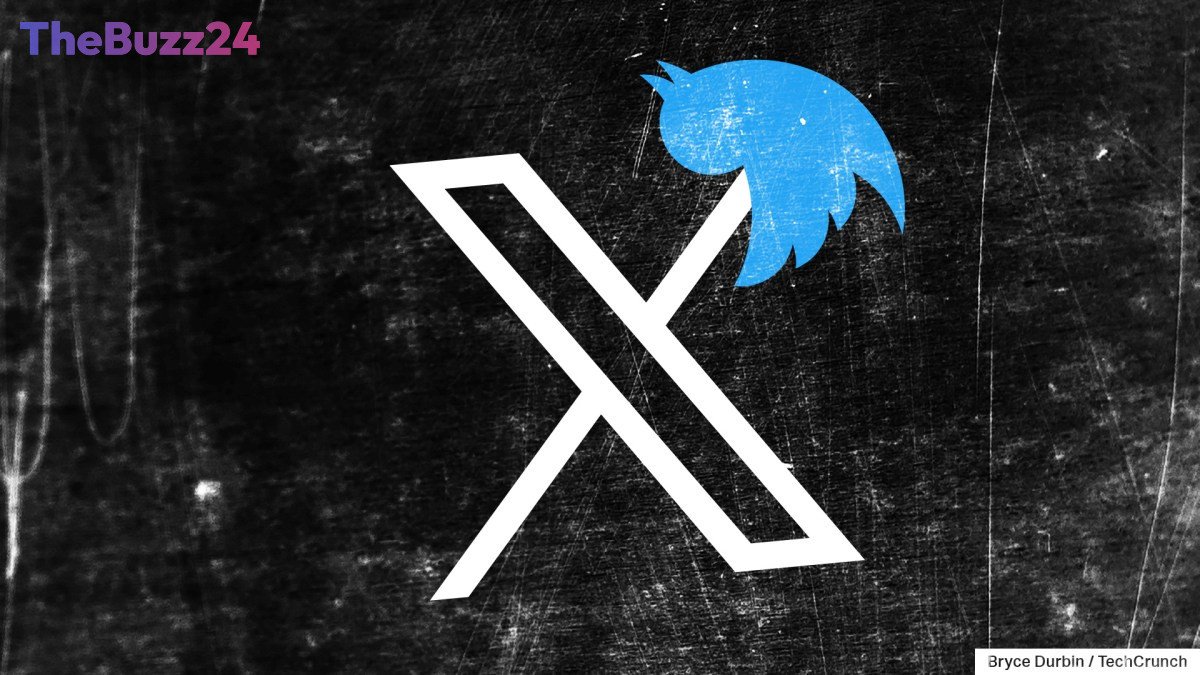
X Corp Loses Bid to Block Rival’s Use of ‘Tweet’ Mark Amid Trademark Dispute
A federal court has delivered a mixed ruling in a trademark battle between Elon Musk’s social media giant X and a startup aiming to revive the spirit of the former Twitter platform. The startup, initially known as Operation Bluebird, was prohibited from using the “Twitter” name itself, a victory for X Corp. However, the court also indicated that X may have relinquished rights to the terms “tweet” and the iconic Twitter bird logo, potentially allowing the rival platform to utilize them.
Operation Bluebird has since rebranded its service to Tweet.app, leveraging the court’s preliminary findings regarding the “tweet” mark. The company, founded by legal professionals including former Twitter trademark lawyer Stephen Coates, has openly stated its intention to reclaim trademarks that X Corp. seemingly abandoned following its rebranding. The homepage of Tweet.app explicitly references Elon Musk’s decision to rename the platform X and “throw the bird away on his way out.”
Despite the legal complexities, Tweet.app has commenced public testing, attracting significant interest. Over 172,000 individuals reportedly registered for a username before the launch, underscoring a lingering public affection for the “Twitter” brand, even as the platform itself has undergone a transformation. The startup is reportedly charging users $20 to reserve their preferred handles, a move likely intended to offset mounting legal expenses.
The court’s decision, issued by U.S. District Court Judge Colm F. Connolly, involved a preliminary injunction request from X Corp. The judge granted the injunction for eight Twitter-related trademarks but denied it for the “Tweet” mark and the bird logo. The judge’s opinion suggested that Operation Bluebird is likely to successfully argue that X Corp. discontinued the genuine use of these marks and does not intend to resume their use, especially given the company’s widespread adoption of the “X” branding.
Key Takeaways
- A federal court has ruled that a startup can use the name 'Tweet' for its social media platform, despite X Corp.'s objections.
- X Corp. successfully blocked the startup from using the 'Twitter' name, siding with the company formerly known as Twitter.
- The court found that X Corp. may have abandoned its rights to the 'Tweet' mark and the Twitter bird logo, allowing the startup to proceed with its rebranding.
Editor’s Analysis & Impact
This ruling highlights the complexities of trademark law in the fast-paced digital landscape, particularly following major corporate rebrands. X Corp.’s attempt to retain all legacy Twitter trademarks, even those seemingly disused, was partially rebuffed. The success of Tweet.app hinges on its ability to capitalize on the public’s continued association with the ‘tweet’ concept, a testament to the enduring power of established brand elements. This case could set a precedent for how companies manage their intellectual property after significant identity shifts, potentially encouraging more aggressive reclamation of abandoned marks by new entrants.
Frequently Asked Questions
Q: What was the core of the trademark dispute between X Corp. and Operation Bluebird?
A: The dispute centered on whether X Corp. still held trademark rights to terms like 'Twitter,' 'tweet,' and the Twitter bird logo after rebranding the platform to 'X.' Operation Bluebird sought to use these marks, arguing X Corp. had abandoned them.
Q: What was the court's decision regarding the 'Twitter' name and the 'tweet' name?
A: The court blocked Operation Bluebird from using the 'Twitter' name, siding with X Corp. However, it allowed the startup to use the 'tweet' name, finding that X Corp. had likely abandoned its rights to that mark and the bird logo.
Q: What is Tweet.app and why is it charging users for handles?
A: Tweet.app is the rebranded social media platform formerly known as Operation Bluebird. It is charging users $20 to reserve a username, likely to help fund its legal battles and operational costs related to the trademark dispute.
AI Disclosure: This article is based on verified data and official reports. Our Team and AI have cross-referenced every financial detail with primary sources to ensure total accuracy.
More from this Category