Federal Regulators Launch Probe Into Tesla’s Pedal-Free Cybercab Deployment
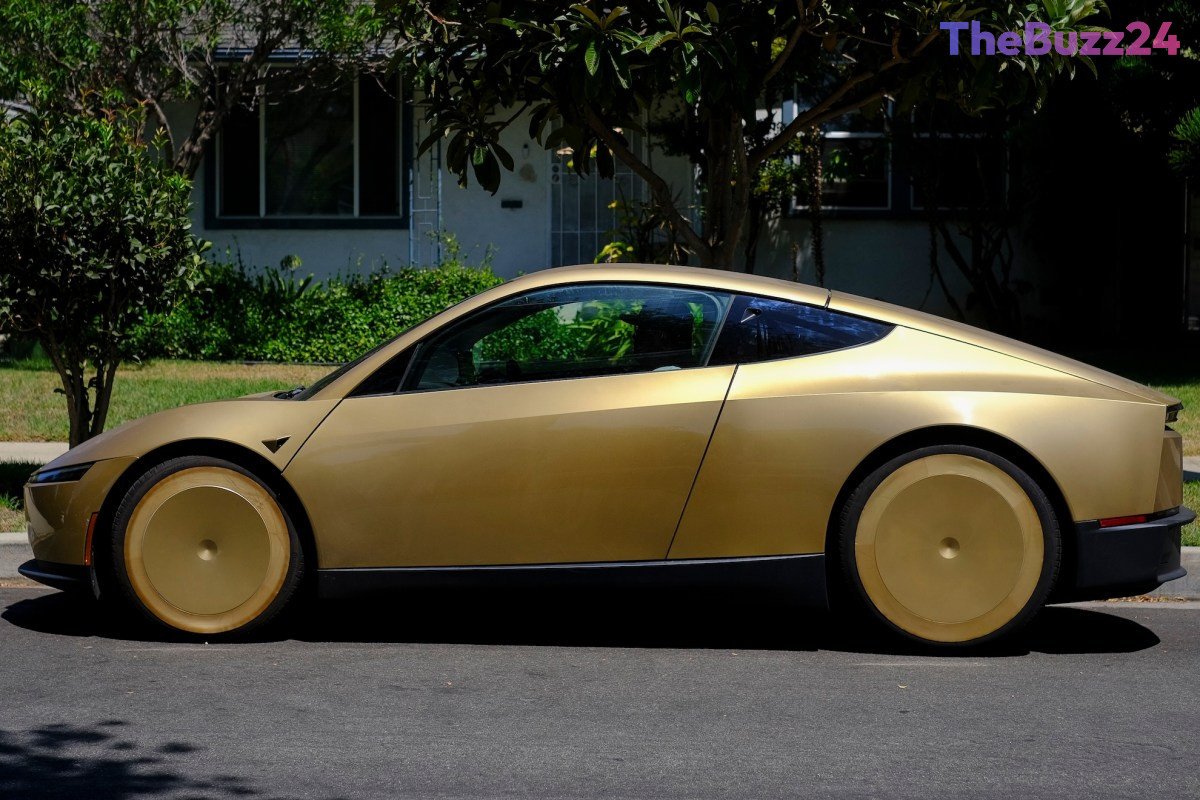
The National Highway Traffic Safety Administration (NHTSA) has initiated an investigation into Tesla’s deployment of its new autonomous Cybercab on public roads. The federal probe was launched shortly after Tesla introduced the steering-wheel-free and pedal-less vehicles to the streets of Austin, Texas. Under current federal vehicle safety regulations, manual controls such as brake pedals are still mandatory, despite recent proposals by the Department of Transportation to phase out these requirements for fully autonomous vehicles.
Tesla has reportedly self-certified the Cybercab as compliant with all Federal Motor Vehicle Safety Standards (FMVSS). While self-certification is a standard practice for automakers, federal regulators are opening this inquiry to scrutinize the technical data and decision-making processes Tesla used to justify its compliance. Specifically, the investigation will evaluate whether Tesla incorrectly assumed certain federal safety standards did not apply to its newly deployed autonomous vehicle.
This regulatory scrutiny mirrors previous actions taken against other autonomous vehicle developers. In 2022, Amazon-backed Zoox faced a similar audit after self-certifying its pedal-free robotaxi. That investigation significantly delayed Zoox’s commercial rollout, requiring the company to secure a temporary federal exemption before finally launching its paid commercial service in Las Vegas years later.
Although the NHTSA is actively working to update safety standards to better accommodate driverless innovation, the agency emphasized that existing rules remain legally binding until formal revisions are finalized. Tesla’s path forward remains uncertain as it navigates these established regulatory frameworks, which could either slow down its commercial ambitions or set a new precedent for the autonomous vehicle industry.
Key Takeaways
- The NHTSA has opened an official investigation into Tesla's Cybercab following its public road debut in Austin, Texas.
- The probe focuses on Tesla's self-certification process and whether the vehicle complies with existing federal safety standards requiring manual controls.
- Similar regulatory hurdles previously delayed Amazon's Zoox robotaxi for years before it secured a commercial exemption.
Editor’s Analysis & Impact
The NHTSA’s investigation into Tesla’s Cybercab highlights the growing friction between rapid technological innovation and legacy regulatory frameworks. While the Department of Transportation has signaled a willingness to modernize safety standards for autonomous vehicles (AVs), the current legal reality still mandates physical controls like steering wheels and pedals. Tesla’s aggressive strategy of self-certification and immediate public deployment is a high-stakes gamble. If the NHTSA enforces strict compliance, Tesla could face lengthy delays similar to those experienced by Amazon’s Zoox, which took years to secure necessary exemptions. Conversely, this probe could accelerate the federal timeline for updating AV regulations, as regulators face immense pressure to keep pace with domestic innovation. For investors and industry observers, the outcome of this investigation will serve as a critical bellwether for the commercial viability and regulatory pathway of steering-wheel-free autonomous transport in the United States.
Frequently Asked Questions
Q: Why is the NHTSA investigating Tesla's Cybercab?
A: The NHTSA is investigating because the Cybercab lacks traditional manual controls, such as a steering wheel and pedals, which are currently required under existing Federal Motor Vehicle Safety Standards (FMVSS).
Q: What is self-certification in the automotive industry?
A: Self-certification is a process where automakers independently verify and certify that their vehicles meet all applicable federal safety standards before putting them on the market, rather than waiting for pre-approval from a government agency.
Q: How did a similar investigation affect other autonomous vehicle companies?
A: Amazon-owned Zoox faced a similar inquiry in 2022, which delayed its commercial launch for several years until it secured a formal federal exemption to operate its pedal-free robotaxis commercially.
AI Disclosure: This article is based on verified data and official reports. Our Team and AI have cross-referenced every financial detail with primary sources to ensure total accuracy.
More from this Category