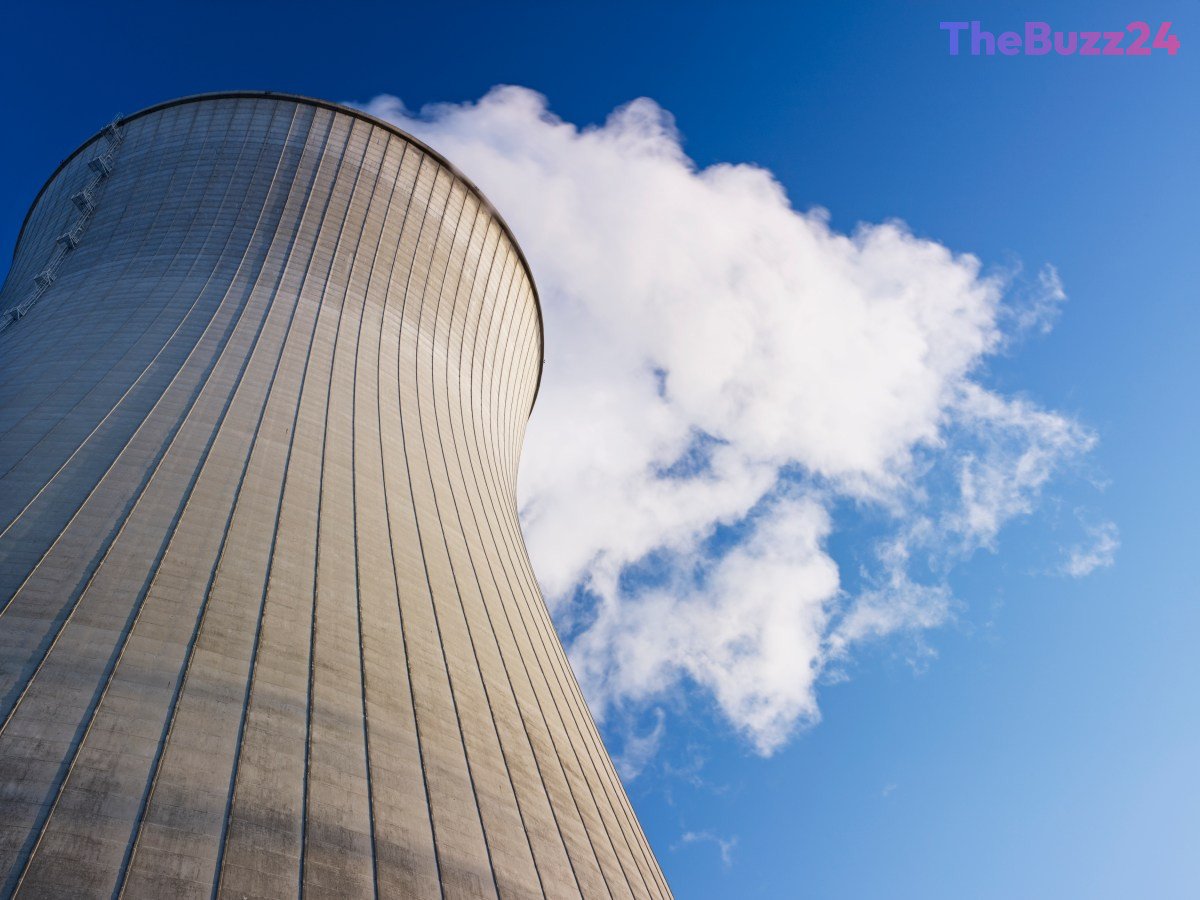
X-Energy Secures Historic Federal Approval for Advanced Small Modular Nuclear Reactors in Texas
Advanced nuclear energy developer X-energy has achieved a major regulatory milestone, securing official permission from federal authorities to construct its first commercial generation of small modular reactors. The regulatory green light clears the way for the deployment of four Xe-100 reactors at a major industrial chemical facility operated by Dow in Texas, marking a significant step forward for next-generation nuclear technology in the United States.
Each of the planned units is designed to produce 80 megawatts of electrical power alongside 200 megawatts of thermal energy. Industry advocates view small modular reactors as a transformative solution for the energy sector, offering the potential for drastically reduced construction timelines and lower capital expenditures compared to traditional, massive nuclear power plants. However, the technology remains unproven at commercial scale within the domestic market, and the Texas installation is not expected to come online until the early part of the next decade.
The approval process has drawn scrutiny from safety advocates who argue that regulators rushed the decision by deferring critical evaluations to subsequent phases of the project. Despite these concerns, momentum behind advanced nuclear power continues to swell, largely driven by surging electricity demands from energy-intensive sectors such as large-scale data centers and technology infrastructure operators. Major technology firms have already made substantial financial and procurement commitments to support the deployment of these innovative clean energy sources.
While the regulatory authorization provided a temporary boost to the company’s market valuation, broader investor sentiment remains cautious regarding the high upfront capital requirements and lengthy development cycles historically associated with nuclear infrastructure. As X-energy moves forward with its groundbreaking Texas project, the broader energy market will be closely watching to see whether small modular reactors can successfully overcome traditional economic and regulatory hurdles.
Key Takeaways
- X-energy received federal approval to build four Xe-100 small modular reactors at a Dow chemical plant in Texas.
- Each reactor will generate 80 megawatts of electricity and 200 megawatts of heat, with operations targeted for the early 2030s.
- The project is supported by heavyweights in the technology sector who are seeking reliable, clean electricity sources for data centers.
Editor’s Analysis & Impact
The regulatory approval granted to X-energy represents a watershed moment for the commercialization of small modular reactors (SMRs) in the United States. As data center operators and tech giants face unprecedented power demands driven by artificial intelligence and cloud computing, reliable zero-emission base-load power has become a critical commodity. SMRs offer a promising pathway to bypass the immense logistical and financial bottlenecks of traditional gigawatt-scale nuclear plants. However, the path to widespread adoption is fraught with challenges, including skepticism from safety watchdogs and lingering market hesitation over long development timelines and high initial capital costs. If X-energy successfully executes its Texas project, it could establish a blueprint for industrial decarbonization and redefine the future of energy infrastructure worldwide.
Frequently Asked Questions
Q: What is a small modular reactor (SMR)?
A: A small modular reactor is an advanced nuclear reactor that is fraction of the size of conventional nuclear power plants. They are designed to be factory-built and transported to sites, which proponents believe will lower costs and speed up construction.
Q: Where will X-energy build its first commercial reactors?
A: X-energy plans to build its first four Xe-100 reactors at a Dow chemical manufacturing facility located in Texas.
Q: When are the reactors expected to be operational?
A: According to current projections, the reactors being built at the Dow chemical plant are not expected to become fully operational until the early 2030s.
AI Disclosure: This article is based on verified data and official reports. Our Team and AI have cross-referenced every financial detail with primary sources to ensure total accuracy.
More from this Category