Xi Jinping Pushes BRICS for Middle East Peace, Two-State Solution
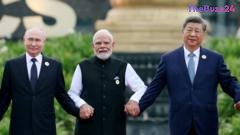
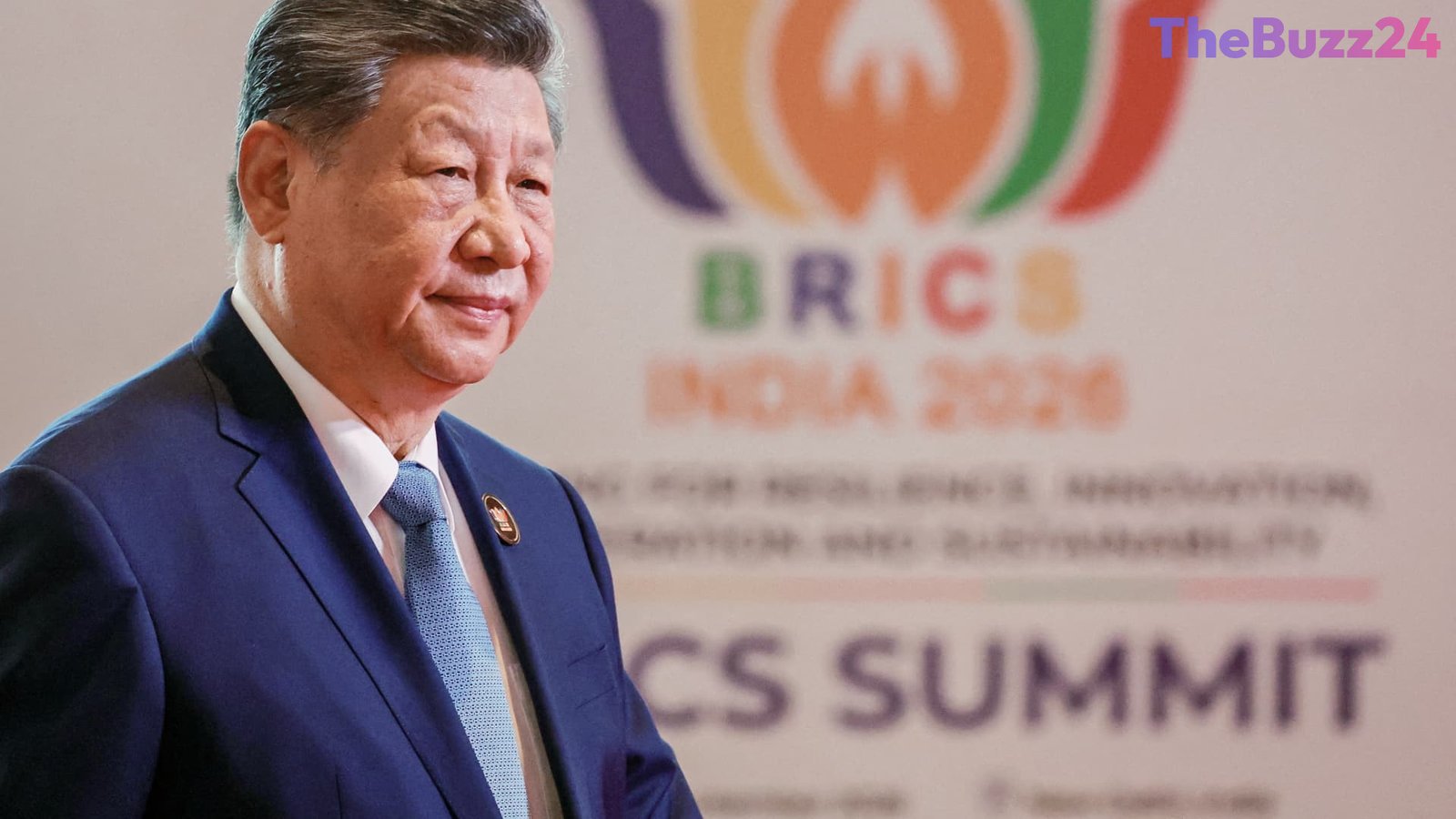
Chinese President Xi Jinping has called upon the BRICS bloc of nations to actively pursue a political resolution and advocate for a “permanent and comprehensive ceasefire” in the Middle East. Speaking at the BRICS Summit in New Delhi, President Xi underscored the complex and evolving situation in the region, emphasizing that the ongoing conflict inflicts severe losses on its people and runs counter to the global community’s collective interests. He affirmed China’s readiness to play a constructive role in facilitating peace efforts.
President Xi stressed the imperative for all involved parties to commit to a political pathway, promoting a lasting ceasefire and diligently addressing the fundamental causes of the regional instability. He highlighted the Palestinian question as central to the Middle East issue, reiterating the critical importance of implementing the “two-state solution” as a viable path forward for Israel and Palestine. China, he stated, is prepared to collaborate with fellow BRICS members to foster peace and tranquility across the Middle East and the Gulf region.
This diplomatic push from Beijing comes amidst heightened tensions surrounding Iran, a significant energy exporter and China’s largest trading partner. The United States recently imposed a new wave of stringent economic sanctions against Iran, dubbed “Operation Economic Outcast,” aimed at disrupting its global financial connections. The timing of President Xi’s remarks also precedes a scheduled meeting with President Donald Trump at the White House later this month, adding another layer of geopolitical significance to China’s advocacy for Middle East peace.
The BRICS group, initially formed in 2009 by Brazil, Russia, India, China, and South Africa as a counterweight to Western economic dominance, has since expanded its membership to include nations like Egypt, Ethiopia, Indonesia, Iran, and the United Arab Emirates, further broadening its global influence and diplomatic reach.
Key Takeaways
- President Xi Jinping urged BRICS nations to seek a political resolution and a permanent, comprehensive ceasefire in the Middle East.
- He emphasized the "two-state solution" for the Palestinian question and affirmed China's willingness to contribute to regional peace.
- The call for peace is set against the backdrop of new U.S. sanctions on Iran, a major Chinese trading partner, and an upcoming meeting between Xi and U.S. President Trump.
Editor’s Analysis & Impact
President Xi’s call for BRICS nations to actively pursue Middle East peace signals China’s increasing assertiveness on the global diplomatic stage, particularly in regions historically dominated by Western powers. This move could position BRICS as a significant alternative platform for conflict resolution, potentially challenging existing frameworks. For energy markets, greater stability in the Middle East, especially concerning Iran, could mitigate supply risks, though the immediate impact of US sanctions remains a key factor. The timing, ahead of a Xi-Trump meeting, suggests a strategic play by China to project its global leadership and potentially influence discussions on broader geopolitical issues, including trade and regional security. This initiative underscores China’s long-term strategy to foster a multipolar world order.
Frequently Asked Questions
Q: What was President Xi Jinping's main message at the BRICS Summit regarding the Middle East?
A: President Xi urged BRICS nations to work towards a political solution and a "permanent and comprehensive ceasefire" in the Middle East, emphasizing the need to address root causes and implement the "two-state solution" for the Palestinian question.
Q: Why is China's advocacy for Middle East peace significant at this time?
A: China's call comes amidst new U.S. economic sanctions against Iran, a major trading partner and energy customer for China. It also precedes a planned meeting between President Xi and U.S. President Trump, adding a layer of geopolitical strategy to China's diplomatic efforts.
Q: What is the "two-state solution" mentioned by President Xi?
A: The "two-state solution" is a proposed framework for resolving the Israeli-Palestinian conflict, which envisions an independent Palestinian state existing peacefully alongside the State of Israel.
AI Disclosure: This article is based on verified data and official reports. Our Team and AI have cross-referenced every financial detail with primary sources to ensure total accuracy.
More from this Category