Zelensky Condemns U.S. Oil Waiver Extension as Financial Lifeline for Russia
Ukrainian President Volodymyr Zelensky has issued a sharp rebuke regarding the recent U.S. decision to extend a sanctions waiver on Russian oil. The policy adjustment allows for the continued trade of Russian petroleum products currently in transit at sea, with the exemption remaining in effect until May 16. While U.S. officials maintain that the extension is a necessary strategic move to prevent global energy market instability amid rising tensions in the Middle East, the Ukrainian government views the decision as a critical error that undermines international efforts to cripple Russia’s war machine.
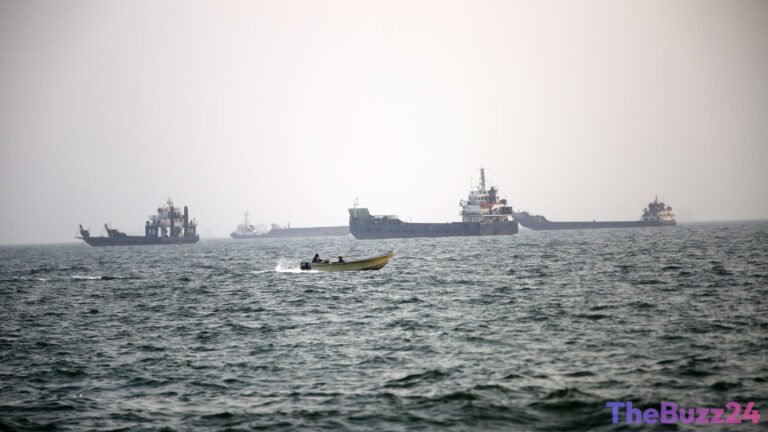
Zelensky contends that the revenue generated from these ongoing oil sales provides Moscow with essential capital to fund its military operations. Central to his argument is the existence of a ‘shadow fleet’ comprising over 110 tankers, which he claims are being deployed specifically to bypass international sanctions. According to the Ukrainian leadership, the sale of these reserves could inject roughly $10 billion into the Russian economy, providing the financial resources required to manufacture the weaponry currently being used to target Ukrainian cities and civilian infrastructure.
The geopolitical environment has grown increasingly volatile as conflicts in the Middle East threaten the Strait of Hormuz, a vital chokepoint for global energy supplies. This instability has forced a difficult balancing act for the U.S., which is attempting to manage global energy prices while simultaneously maintaining economic pressure on Moscow. However, Zelensky has urged the international community to prioritize the human cost of the conflict, pointing to a recent escalation in Russian drone and missile strikes that have resulted in significant casualties.
As the war enters its fifth year, the front lines remain largely static, with Russia continuing to occupy approximately 20% of Ukrainian territory. The tension between the necessity of global energy security and the enforcement of stringent economic sanctions remains a primary point of friction in international diplomacy, highlighting the complex challenges of sustaining long-term pressure on the Russian economy.
Key Takeaways
- President Zelensky criticized the U.S. for extending a waiver on Russian oil trade, arguing it provides financial support for the ongoing invasion.
- The extension allows for the sale of Russian oil currently in transit until May 16, a move the U.S. claims is necessary to stabilize global energy markets.
- Ukraine alleges that a 'shadow fleet' of over 110 tankers is being used by Russia to circumvent sanctions, potentially generating $10 billion for its military.
Editor’s Analysis & Impact
The friction between the U.S. and Ukraine over oil sanctions highlights the inherent conflict between geopolitical idealism and economic pragmatism. By prioritizing global energy stability to mitigate the risks of a broader Middle Eastern conflict, the U.S. is inadvertently creating a loophole that Russia is actively exploiting through its ‘shadow fleet.’ This situation underscores the limitations of sanctions as a tool of modern warfare, particularly when global supply chains are fragile. Moving forward, the international community faces a difficult dilemma: if energy prices spike due to aggressive enforcement, it could erode public support for the war effort in Western nations. Conversely, allowing these waivers to persist risks prolonging the conflict by providing Moscow with the liquidity needed to sustain its military-industrial complex. The long-term implication is a potential shift toward more localized energy independence to avoid such strategic vulnerabilities.
Frequently Asked Questions
Q: Why did the U.S. extend the Russian oil sanctions waiver?
A: The U.S. extended the waiver to stabilize global energy markets and prevent price spikes caused by supply chain disruptions, particularly those stemming from tensions in the Middle East.
Q: What is the 'shadow fleet' mentioned by President Zelensky?
A: The 'shadow fleet' refers to a collection of over 110 tankers that are allegedly being used by Russia to transport oil and circumvent international sanctions, allowing the country to continue generating revenue despite trade restrictions.
AI Disclosure: This article is based on verified data and official reports. Our Team and AI have cross-referenced every financial detail with primary sources to ensure total accuracy.
More from this Category