Zimbabwe Parliament Approves Sweeping Constitutional Changes to Extend Presidential Term Limits
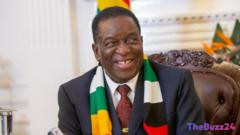
Zimbabwe’s lower house of parliament has overwhelmingly approved a controversial constitutional amendment that extends the presidential term from five to seven years. This legislative shift paves the way for 83-year-old President Emmerson Mnangagwa to prolong his tenure until 2030, bypassing his scheduled departure in 2028. The bill, which secured a comfortable two-thirds majority with 216 votes in favor and 42 against, now moves to the senate for expected approval before being signed into law.
Beyond extending term limits, the sweeping legislation fundamentally alters Zimbabwe’s electoral system by abolishing direct presidential elections. Under the new framework, future presidents will be selected directly by parliament rather than by public vote. Additionally, parliamentary terms will also be extended to seven years, effectively delaying the next general and presidential elections from 2028 to 2030. This move consolidates the power of the ruling Zanu-PF party, which has governed the nation since its independence in 1980.
The legislative overhaul has sparked intense criticism from opposition parties, legal experts, and civil society organizations. Critics argue that such monumental changes to the democratic process should require a national referendum, pointing to the 2013 constitution which mandated public approval for any term limit extensions. However, the country’s Constitutional Court recently cleared the path for the bill by dismissing a legal challenge aimed at blocking it. Mnangagwa, who initially took office in 2017 following the military-backed ousting of Robert Mugabe, had previously pledged to respect constitutional limits, making this sudden shift a point of deep political contention.
Key Takeaways
- Zimbabwe's lower house passed a bill extending presidential and parliamentary terms from five to seven years, allowing President Emmerson Mnangagwa to remain in office until 2030.
- The constitutional amendment abolishes direct presidential elections, shifting the power to choose the nation's leader directly to parliament.
- Opposition groups and legal experts have condemned the move as a setback for democracy, arguing that such fundamental changes require a public referendum under the 2013 constitution.
Editor’s Analysis & Impact
The passage of this constitutional amendment marks a significant turning point in Zimbabwe’s political landscape, signaling a deeper slide toward authoritarian consolidation. By dismantling direct presidential elections and extending term limits, the ruling Zanu-PF party has effectively insulated itself from electoral vulnerability. This consolidation of power is likely to exacerbate political polarization and stifle democratic opposition. Economically, the move could further deter foreign direct investment. Investors typically seek stability rooted in the rule of law and predictable democratic transitions; instead, these changes project institutional fragility and governance risks. While supporters argue the extension ensures policy continuity, the international community is likely to view this as a step backward, potentially complicating Zimbabwe’s efforts to restructure its massive external debt and normalize relations with global financial institutions.
Frequently Asked Questions
Q: How does this bill change how Zimbabwe's president is elected?
A: The bill scraps direct public presidential elections. Instead, future presidents will be chosen directly by members of parliament.
Q: Why are opposition groups and legal experts opposing these changes?
A: Critics argue that extending term limits and removing direct elections undermines democratic accountability. They contend that under the 2013 constitution, such fundamental changes must be approved by the public through a national referendum, rather than decided solely by parliament.
Q: What are the next steps for this bill to become law?
A: Having passed the lower house of parliament, the bill now heads to the senate. Following expected approval there, it will be sent to President Emmerson Mnangagwa to be signed into law.
AI Disclosure: This article is based on verified data and official reports. Our Team and AI have cross-referenced every financial detail with primary sources to ensure total accuracy.
More from this Category