The Invisible Lifeline: How the Deep Space Network Powers the Artemis II Mission
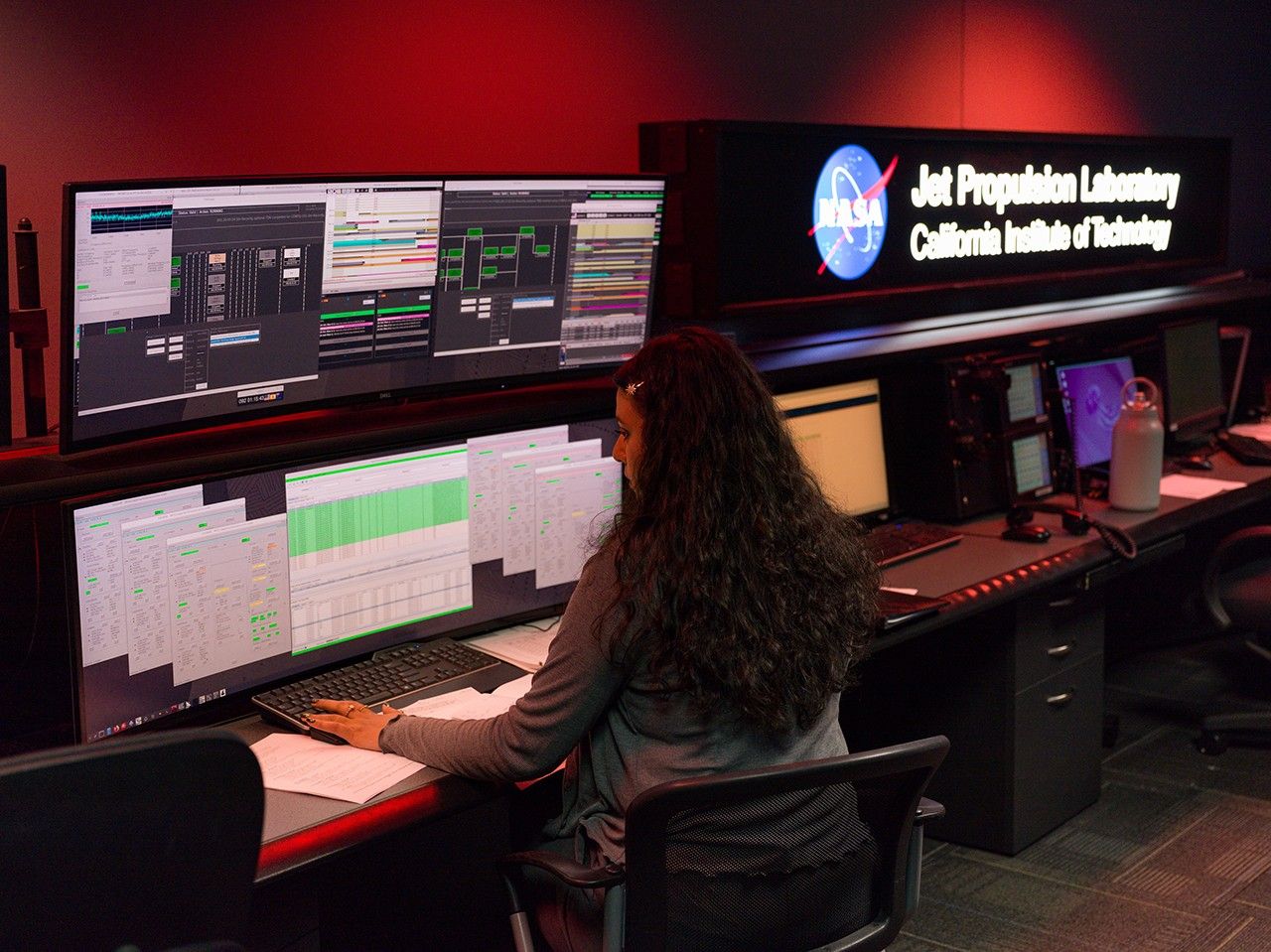
As the Artemis II mission gears up for its scheduled launch on April 1, 2026, from the Kennedy Space Flight Center, the success of the crewed lunar voyage relies heavily on a sophisticated, invisible infrastructure. While the spacecraft captures headlines, the Deep Space Network (DSN) serves as the mission’s essential communication backbone. Managed from the Space Flight Operations Facility at the Jet Propulsion Laboratory in Southern California, this network ensures that mission controllers maintain constant, high-fidelity contact with the astronauts as they traverse the vast distances of space.
The DSN is a global marvel of engineering, consisting of massive radio frequency antenna complexes strategically positioned across three continents: Goldstone, California; Madrid, Spain; and Canberra, Australia. This geographic distribution is critical, as it allows the network to maintain uninterrupted communication with spacecraft regardless of the Earth’s rotation. By utilizing these powerful antennas, NASA can track the precise trajectory of the Artemis II vehicle, send vital command sequences, and receive complex scientific data in real-time.
Beyond simple data transmission, the DSN represents a massive collaborative effort in aerospace engineering. Overseen by the Jet Propulsion Laboratory—which is managed by Caltech—the network operates under the broader umbrella of NASA’s Space Communications and Navigation program. This intricate system not only supports the upcoming crewed lunar mission but also serves as the primary link for numerous robotic probes currently exploring the outer reaches of our solar system, proving that the success of deep-space exploration is as much about ground-based connectivity as it is about rocket propulsion.
Key Takeaways
- The Deep Space Network (DSN) is the critical communication infrastructure required to maintain contact with the Artemis II crew during their lunar mission.
- The network utilizes a global array of antennas in California, Spain, and Australia to ensure 24/7 coverage as the Earth rotates.
- Operated by the Jet Propulsion Laboratory, the DSN handles spacecraft tracking, command transmission, and scientific data retrieval for both crewed and robotic missions.
Editor’s Analysis & Impact
The Deep Space Network is a cornerstone of modern aerospace infrastructure, representing a significant technological moat for deep-space exploration. As private and public entities ramp up lunar and interplanetary activity, the demand for high-bandwidth, reliable deep-space communication will only increase. The DSN’s ability to manage multiple concurrent missions—from crewed Artemis flights to distant robotic probes—highlights the necessity of global, redundant communication arrays. Future implications suggest that as we move toward a permanent lunar presence and eventual Mars missions, the DSN will likely require further modernization, potentially incorporating optical (laser) communications to handle the exponential increase in data transmission requirements. This infrastructure is not merely a support system; it is the primary enabler of the next era of human spaceflight.
Frequently Asked Questions
Q: Why does the Deep Space Network need antennas on three different continents?
A: The antennas are placed in California, Spain, and Australia to ensure that as the Earth rotates, at least one station always has a clear line of sight to the spacecraft, preventing communication blackouts.
Q: What is the primary role of the Jet Propulsion Laboratory regarding the DSN?
A: The Jet Propulsion Laboratory (JPL) manages the day-to-day operations of the Deep Space Network on behalf of NASA, ensuring that the global antenna complexes are coordinated to track and communicate with various space missions.
AI Disclosure: This article is based on verified data and official reports. Our Team and AI have cross-referenced every financial detail with primary sources to ensure total accuracy.
More from this Category