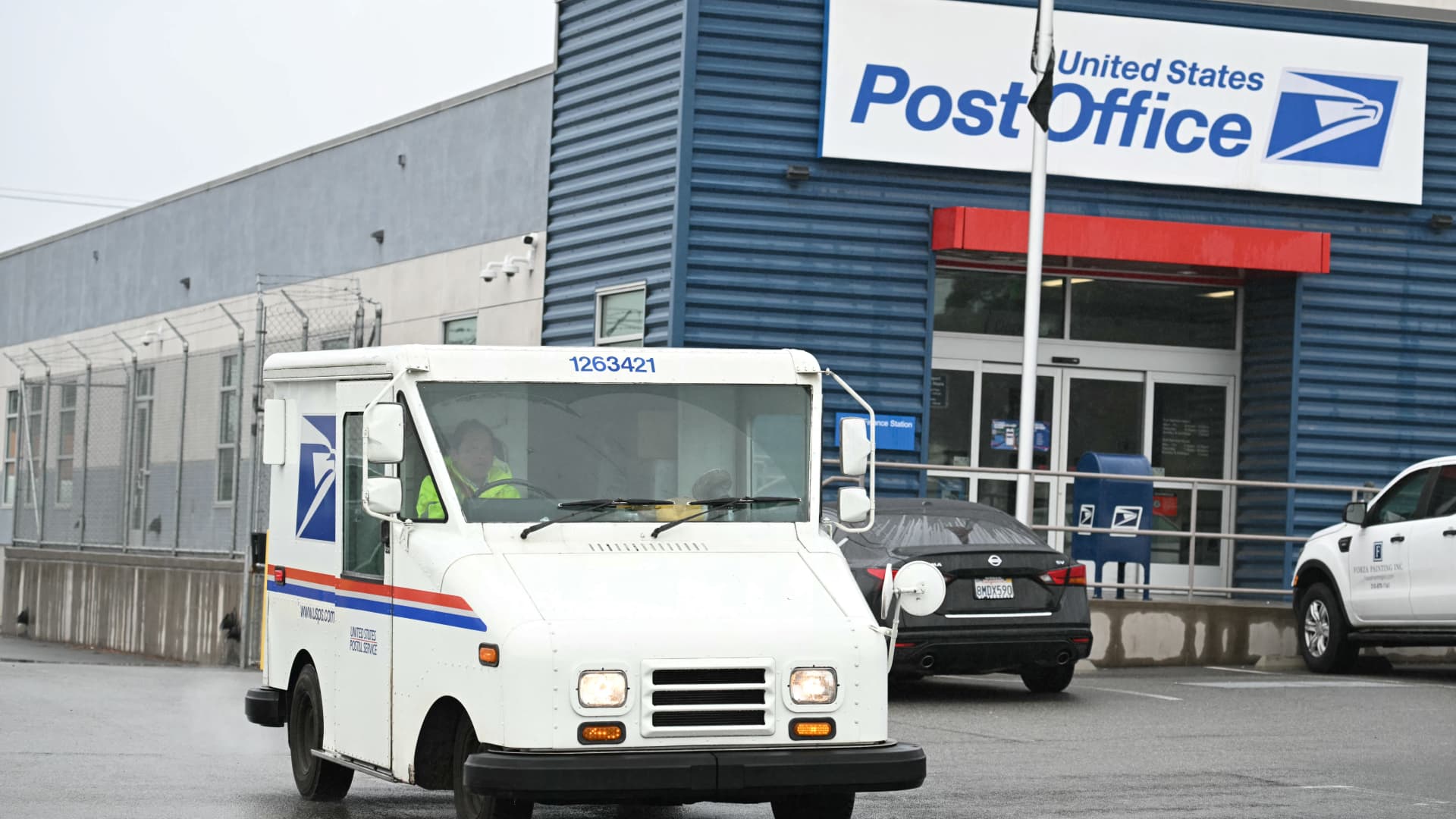
USPS Proposes Stamp Price Hike to 82 Cents Amid Mounting Financial Crisis
The United States Postal Service has officially submitted a proposal to increase the price of First-Class Mail stamps by four cents, moving the cost from 78 cents to 82 cents. Should the Postal Regulatory Commission grant approval, the new rates are scheduled to go into effect on July 12. This adjustment is a critical component of the agency’s broader strategy to stabilize its finances as it faces a period of significant economic instability.
Postal officials have described the current fiscal situation as a severe crisis, driven largely by escalating operational costs and a persistent decline in mail volume. Since 2006, the agency has experienced a drop of more than 104 billion pieces of mail, resulting in an estimated $81 billion in lost revenue. Postmaster General David Steiner has previously warned lawmakers that without intervention, the organization risks depleting its cash reserves by February 2027, potentially threatening its ability to maintain universal service obligations.
Because the Postal Service operates independently of taxpayer funding, it relies entirely on the revenue generated from its products and services to cover expenses. To mitigate the shortfall, the agency is also considering an 8% fuel surcharge on package and express deliveries. Furthermore, the USPS plans to temporarily suspend employer contributions to the Federal Employees Retirement System to ensure it can continue meeting payroll and supplier obligations while awaiting regulatory feedback on the proposed rate hikes.
Key Takeaways
- The USPS has proposed raising the price of a First-Class Mail stamp from 78 cents to 82 cents, effective July 12.
- The agency faces a severe financial shortfall, with projections indicating cash reserves could be exhausted by February 2027.
- To maintain operations, the USPS is considering additional measures, including an 8% fuel surcharge on packages and a temporary suspension of retirement system contributions.
Editor’s Analysis & Impact
The proposed stamp price hike underscores the structural fragility of the United States Postal Service in an increasingly digital economy. As physical mail volume continues its long-term decline, the agency is caught in a difficult cycle of raising prices to cover fixed costs, which may inadvertently accelerate the shift toward digital communication and private delivery competitors. The decision to suspend retirement contributions highlights the desperation of the current fiscal situation, signaling that the agency is prioritizing immediate liquidity over long-term pension stability. Moving forward, the USPS will likely face intense scrutiny from regulators and the public alike. The long-term viability of the organization will depend not just on incremental price increases, but on a fundamental modernization of its business model to compete effectively in the modern logistics and e-commerce landscape.
Frequently Asked Questions
Q: Why does the USPS need to raise stamp prices?
A: The USPS is facing a severe financial crisis due to a massive, long-term decline in mail volume and rising operational costs. Because it does not receive taxpayer funding, it must raise prices to cover its expenses and avoid running out of cash.
Q: When would the new stamp prices take effect?
A: If the proposal is approved by the Postal Regulatory Commission, the new 82-cent rate is scheduled to take effect on July 12.
AI Disclosure: This article is based on verified data and official reports. Our Team and AI have cross-referenced every financial detail with primary sources to ensure total accuracy.
More from this Category