Tesla Shifts Strategy Toward Affordable Compact SUV to Capture Global Market Share
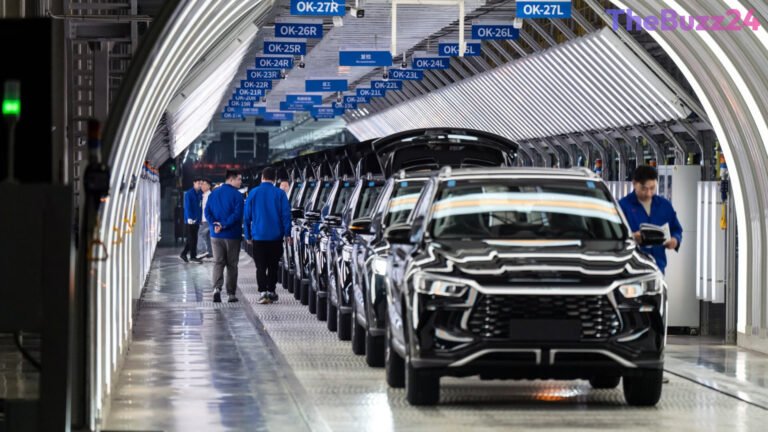
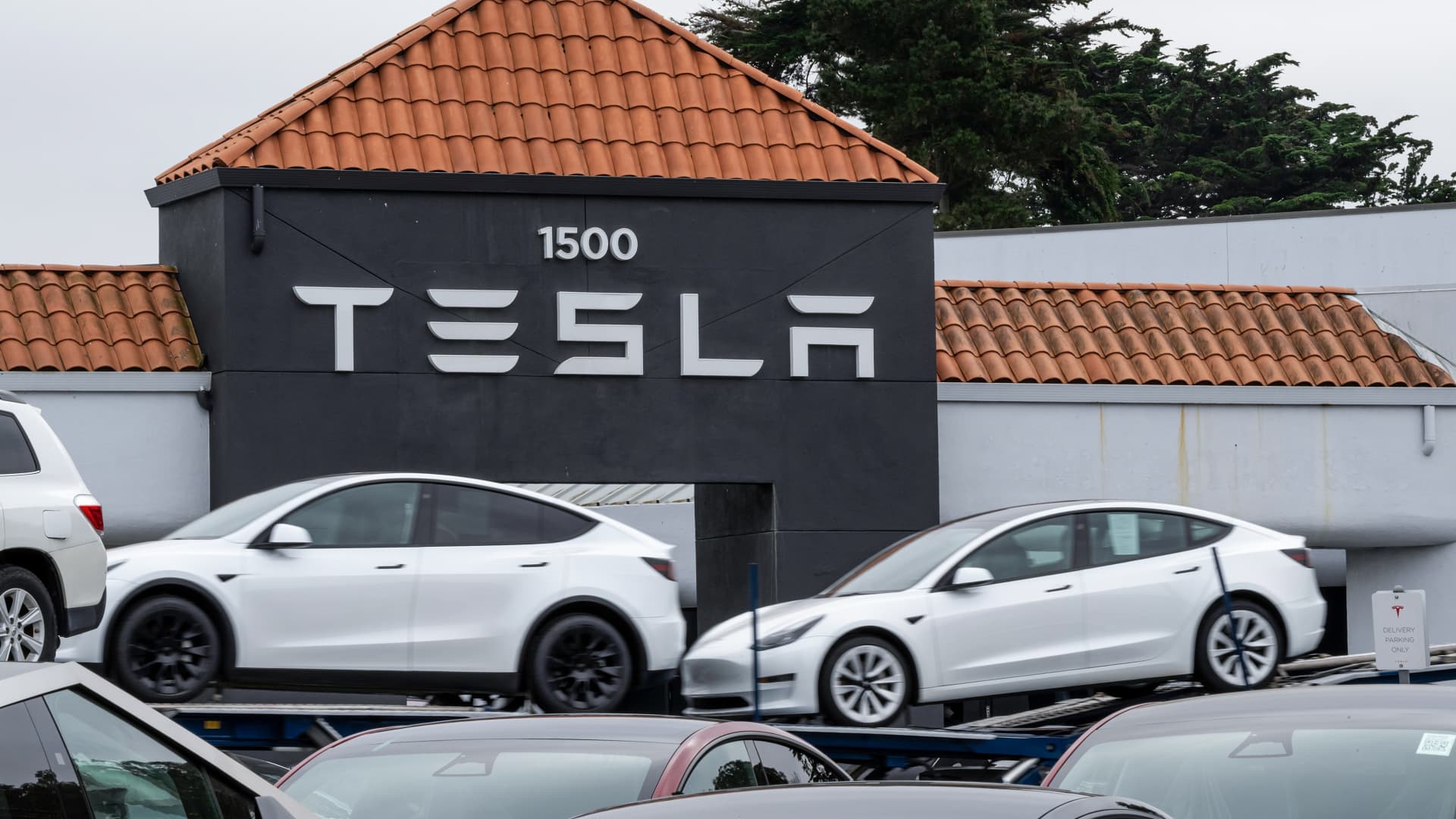
Tesla is accelerating development on a new, compact electric SUV aimed at reaching a broader, mass-market consumer base. Moving away from its reliance on existing vehicle architectures, the company is engineering this model on a standalone platform. At approximately 4.28 meters in length, the vehicle will be notably smaller than the current Model Y, reflecting a calculated effort to penetrate segments of the global automotive market that have previously remained out of reach for the brand.
This strategic pivot marks a notable change in direction for the automaker, which had recently placed significant emphasis on robotaxi development and autonomous driving software. While CEO Elon Musk continues to champion a future defined by driverless transportation, this new project serves as a pragmatic bridge. By designing a vehicle that supports both traditional human operation and autonomous capabilities, Tesla is ensuring its product remains viable in international regions where regulatory environments are not yet prepared for fully driverless fleets.
To achieve the price points necessary for mass-market adoption, Tesla is implementing rigorous cost-reduction strategies. The vehicle is expected to utilize smaller battery packs and a streamlined single-motor powertrain, which reduces both manufacturing complexity and overall vehicle weight. While a formal production schedule has not yet been finalized, the initiative underscores a commitment to balancing long-term technological ambitions with the immediate need to scale production and deliver accessible electric vehicles to a wider demographic.
Key Takeaways
- Tesla is engineering a new, compact electric SUV designed to be more affordable and accessible than the Model Y.
- The vehicle will be built on a unique platform capable of supporting both human-operated and autonomous driving modes.
- Production plans involve establishing manufacturing hubs in the U.S., Europe, and China to streamline global distribution and reduce costs.
Editor’s Analysis & Impact
Tesla’s pivot toward a compact, budget-friendly SUV is a defensive and offensive maneuver designed to secure market share against rising competition, particularly from aggressive Chinese EV manufacturers. By broadening its product range, Tesla is acknowledging that the transition to fully autonomous robotaxis faces significant regulatory and infrastructure hurdles. This move allows the company to tap into the high-volume segment of the market, which is essential for maintaining growth as the premium EV sector becomes increasingly saturated. The focus on manufacturing efficiency and simplified powertrains suggests that Tesla is prioritizing operational margins to remain profitable as it scales. Ultimately, this strategy provides a more stable revenue foundation, allowing the company to continue funding its long-term R&D in autonomy while satisfying the immediate demand for practical, everyday electric transportation.
Frequently Asked Questions
Q: How does the upcoming compact SUV differ from the existing Model Y?
A: The new SUV is designed as a standalone model rather than a variant of the Model Y and is significantly more compact, measuring roughly 4.28 meters in length.
Q: Will the new vehicle be fully autonomous?
A: The vehicle is being engineered to support both human-driven and autonomous configurations, ensuring it can be sold in global markets regardless of the current status of driverless vehicle regulations.
AI Disclosure: This article is based on verified data and official reports. Our Team and AI have cross-referenced every financial detail with primary sources to ensure total accuracy.
More from this Category