Quantum Space Targets $1.2 Billion Valuation in Strategic SPAC Merger
Quantum Space, a defense-focused startup specializing in highly maneuverable spacecraft, has announced plans to go public through a $1.2 billion merger with a special purpose acquisition company (SPAC). The move comes as the company seeks to capitalize on the increasing demand for orbital infrastructure and national security capabilities, specifically targeting the needs of the U.S. Space Force.
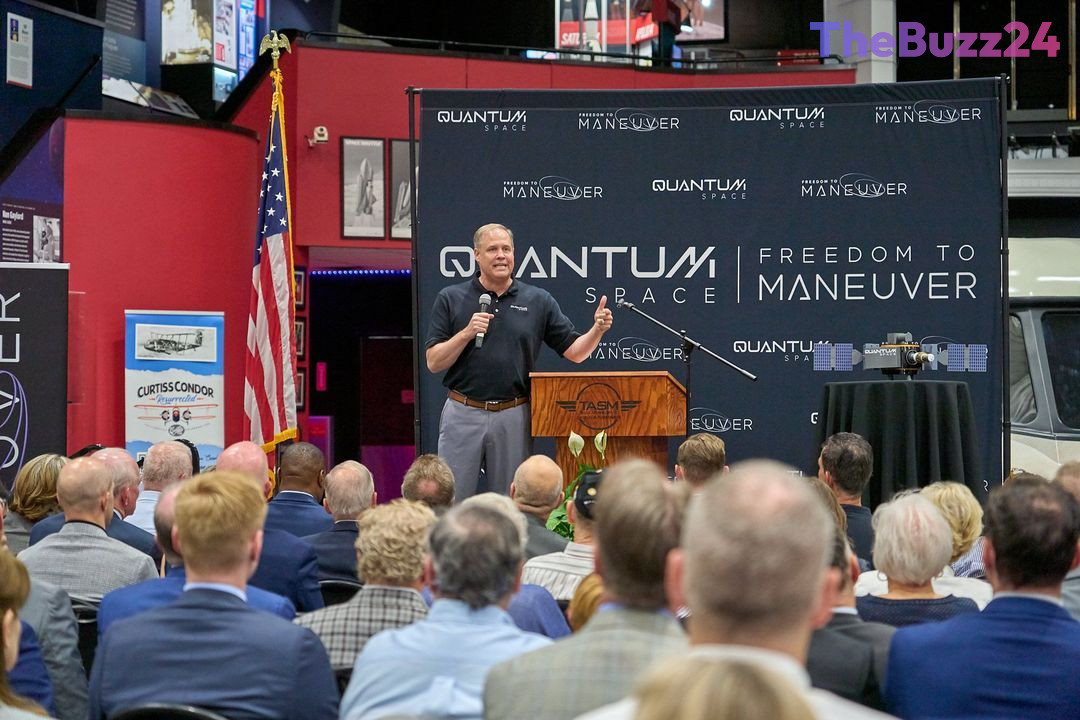
Founded in 2020 by space industry veteran Kam Ghaffarian, Quantum Space is positioning itself to address the growing requirement for vehicles capable of rapid orbital movement and sustained surveillance. Under the leadership of CEO Jim Bridenstine, the former NASA administrator, the company is developing its flagship ‘Ranger’ spacecraft. This vehicle is designed to provide long-duration monitoring and refueling capabilities, directly competing with the advanced orbital assets currently being fielded by international rivals.
The proposed transaction is expected to generate $300 million in private investment, which will be directed toward the construction of a manufacturing facility in Tulsa, Oklahoma. The company aims to reach a production capacity of one Ranger spacecraft per quarter by late 2028, with an initial prototype launch scheduled for 2027. This capital injection is critical as the firm prepares to compete for task orders under the U.S. government’s $6.2 billion Andromeda contract for space-based reconnaissance.
Quantum Space enters a crowded market, facing stiff competition from both well-funded startups like True Anomaly and established aerospace giants such as Lockheed Martin, Northrop Grumman, and Boeing. By transitioning to the public markets, the company hopes to secure the financial runway necessary to scale its operations and establish a dominant foothold in the rapidly evolving landscape of orbital defense and national security.
Key Takeaways
- Quantum Space is pursuing a $1.2 billion SPAC merger to fund the development and manufacturing of its Ranger maneuverable spacecraft.
- The company is led by former NASA administrator Jim Bridenstine and is specifically targeting U.S. national security and Space Force contracts.
- The firm plans to build a manufacturing hub in Tulsa, Oklahoma, with a goal of launching its first prototype by 2027 and reaching quarterly production by 2028.
Editor’s Analysis & Impact
The decision by Quantum Space to utilize a SPAC merger reflects a broader trend of space-tech firms seeking rapid access to public capital to compete with legacy defense contractors. While the SPAC market has faced scrutiny due to past volatility, the success of companies like Intuitive Machines provides a blueprint for specialized space contractors to achieve scale. The industry is currently undergoing a paradigm shift where orbital maneuverability and refueling are becoming essential for national security. Quantum Space’s success will hinge on its ability to win task orders under the Andromeda contract and prove its manufacturing capabilities in a sector where execution risk is high. If successful, the company could become a critical node in the U.S. military’s orbital surveillance architecture, though it faces significant pressure from both venture-backed agile startups and entrenched aerospace incumbents.
Frequently Asked Questions
Q: What is the primary purpose of the Ranger spacecraft?
A: The Ranger is designed for national security missions, specifically for rapid orbital maneuvering, long-duration surveillance, and the ability to be refueled in space.
Q: How does Quantum Space plan to use the funds from the SPAC merger?
A: The company intends to use the $300 million in private investment to build a manufacturing facility in Tulsa, Oklahoma, and to support the development and launch of its first prototype by 2027.
AI Disclosure: This article is based on verified data and official reports. Our Team and AI have cross-referenced every financial detail with primary sources to ensure total accuracy.
More from this Category