Amazon Pharmacy Scales Weight-Loss Drug Access Through Strategic Eli Lilly Partnership
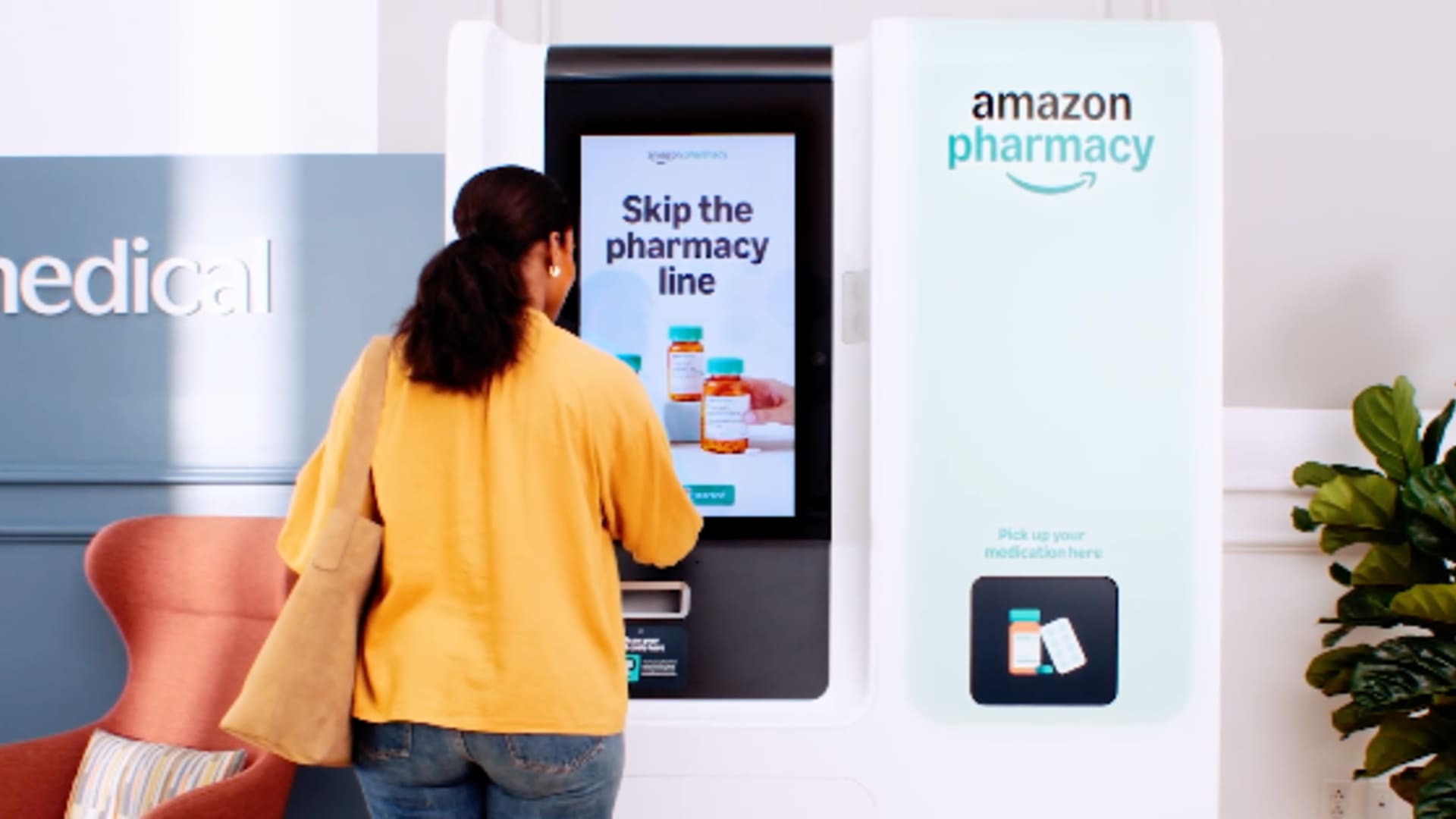
Amazon Pharmacy is significantly expanding its healthcare infrastructure by integrating Eli Lilly’s latest weight-loss medication into its automated kiosk network. Located within select primary care clinics, these kiosks are designed to streamline the distribution of GLP-1 treatments, offering a more efficient alternative to traditional pharmacy fulfillment. Because the oral medication does not require the specialized refrigeration necessary for injectable versions, it is uniquely suited for secure, on-site dispensing.
The initiative operates in tandem with LillyDirect, the pharmaceutical manufacturer’s direct-to-consumer platform, ensuring a cohesive experience for patients from prescription to pickup. This move builds upon Amazon’s existing pilot program for Novo Nordisk’s Wegovy, which launched earlier this year at One Medical facilities in California. By placing these automated units directly in clinical settings, the company aims to eliminate common logistical hurdles and reduce the shipping costs typically associated with chronic disease management.
While the current focus remains on weight-loss therapies, the kiosks are capable of dispensing a wide range of essential medications, including treatments for asthma, hypertension, and bacterial infections. Amazon is actively pursuing regulatory approvals to expand this kiosk model to a broader network of healthcare providers beyond the One Medical ecosystem. This effort is a key component of a larger $4 billion capital investment aimed at bolstering delivery logistics and improving healthcare accessibility for patients in rural and underserved regions across the United States.
Key Takeaways
- Amazon Pharmacy is deploying automated kiosks in clinics to dispense Eli Lilly’s oral weight-loss medication.
- The initiative leverages the LillyDirect platform to simplify the patient journey and reduce logistical costs.
- The program is part of a $4 billion investment strategy to improve healthcare access in rural and underserved areas.
Editor’s Analysis & Impact
Amazon’s expansion into automated pharmaceutical dispensing represents a disruptive shift in the traditional retail pharmacy model. By bypassing the brick-and-mortar pharmacy counter and placing inventory directly into the hands of clinicians, Amazon is effectively shortening the supply chain for high-demand chronic medications. This strategy not only enhances patient adherence by providing immediate access to prescriptions but also positions the company as a dominant force in the digital health space. As the company navigates state-level regulatory hurdles, the success of this kiosk model could fundamentally alter how pharmaceutical manufacturers distribute specialty drugs. If scaled successfully, this infrastructure could challenge traditional pharmacy chains by offering a more integrated, tech-forward approach to patient care that prioritizes speed and convenience over legacy retail footprints.
Frequently Asked Questions
Q: How does the Amazon Pharmacy kiosk differ from a traditional pharmacy?
A: The kiosks are automated, secure units located directly within primary care clinics, allowing patients to receive their medications immediately after a consultation rather than waiting for mail-order delivery or visiting a retail pharmacy.
Q: What types of medications can be dispensed through these kiosks?
A: While currently focused on weight-loss drugs like those from Eli Lilly, the kiosks are designed to handle a variety of common medications, including asthma inhalers, antibiotics, and blood pressure treatments.
AI Disclosure: This article is based on verified data and official reports. Our Team and AI have cross-referenced every financial detail with primary sources to ensure total accuracy.
More from this Category