Battery Recycling Pioneer Ascend Elements Files for Bankruptcy Following Grant Cancellation
Ascend Elements, a notable innovator in the electric vehicle battery recycling industry, has officially filed for Chapter 11 bankruptcy protection. The company, which specialized in extracting critical minerals from spent EV power cells, reached a critical financial impasse that rendered its current operations unsustainable. Despite previously securing nearly $900 million in total investment, the firm could not overcome the sudden loss of essential capital required to maintain its infrastructure and expansion projects.
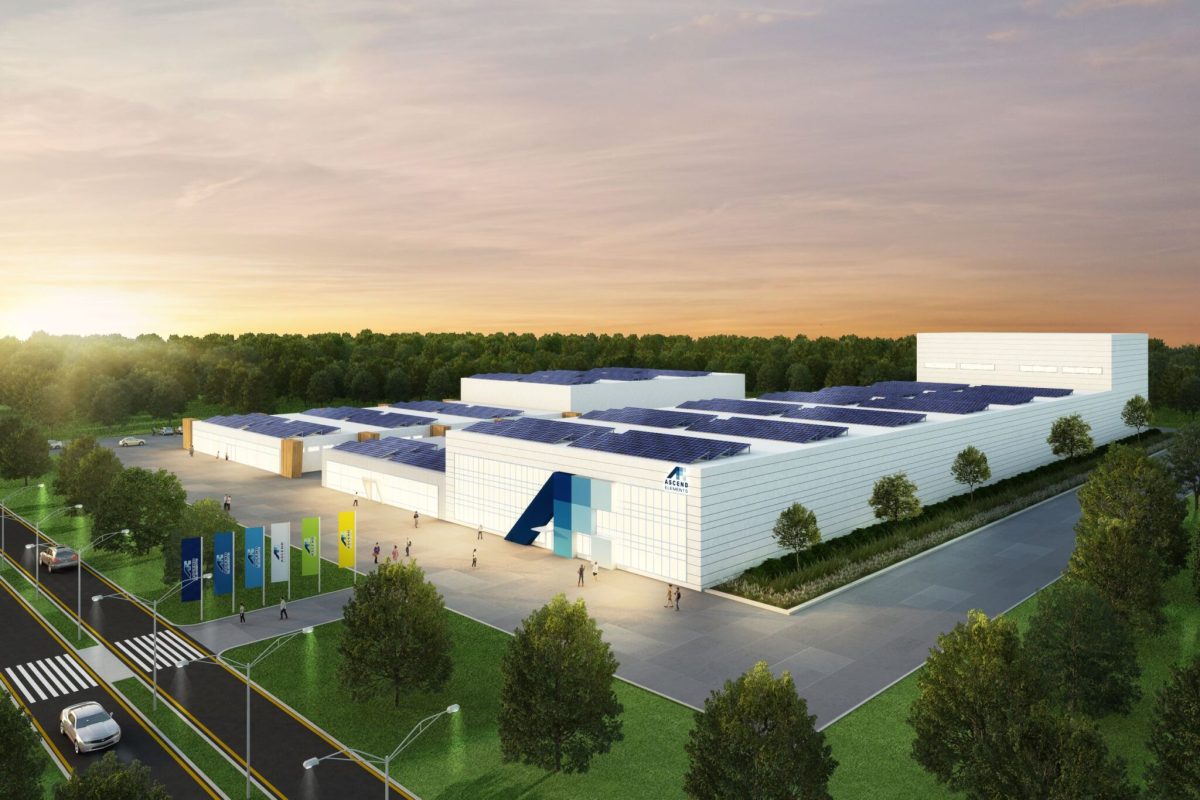
The collapse was largely precipitated by the revocation of a $316 million federal grant originally earmarked for the development of a large-scale manufacturing facility in Kentucky. While the startup had managed to secure a portion of the funding, the loss of the remaining balance created a deficit that the company was unable to bridge. This funding gap effectively halted the firm’s capital-intensive growth strategy, forcing leadership to seek court-supervised restructuring to manage its remaining assets and liabilities.
This development occurs against a backdrop of cooling demand within the broader electric vehicle sector. As major automotive manufacturers scale back production targets and reassess their supply chain strategies, companies focused on domestic battery recycling are finding it increasingly difficult to compete. Furthermore, intense pressure from international competitors, often supported by state subsidies, has driven down global material costs, making it difficult for domestic startups to maintain profitability while scaling their proprietary technologies.
Moving forward, the industry is witnessing a shift in strategy as other players attempt to mitigate similar risks. Many firms are now looking beyond the EV market, exploring opportunities in stationary energy storage for data centers and other industrial applications. The struggle faced by Ascend Elements serves as a stark reminder of the volatility inherent in the energy transition and the challenges of relying on a single, rapidly evolving market for long-term commercial viability.
Key Takeaways
- Ascend Elements has filed for Chapter 11 bankruptcy after failing to sustain operations following a significant funding shortfall.
- The cancellation of a $316 million federal grant for a Kentucky manufacturing plant served as the primary catalyst for the company's financial collapse.
- The broader EV market slowdown and intense international competition have created a difficult environment for domestic battery recycling startups.
Editor’s Analysis & Impact
The bankruptcy of Ascend Elements highlights the precarious nature of the green technology sector, where high capital expenditure requirements often clash with shifting macroeconomic conditions. The reliance on federal grants and subsidies creates a ‘boom or bust’ cycle for startups that have yet to achieve full-scale commercial profitability. As the EV market experiences a period of correction, investors and policymakers are likely to become more cautious, favoring companies with diversified revenue streams rather than those tethered exclusively to automotive supply chains. The long-term implication is a potential consolidation of the battery recycling industry, where only those firms capable of pivoting toward stationary storage or other industrial applications will survive the current economic headwinds. This event underscores the necessity for more resilient business models in the transition to a circular battery economy.
Frequently Asked Questions
Q: Why did Ascend Elements file for bankruptcy?
A: The company filed for Chapter 11 bankruptcy due to severe financial strain, exacerbated by the cancellation of a $316 million federal grant that was essential for its expansion plans.
Q: What impact does the EV market slowdown have on battery recycling companies?
A: A cooling demand for electric vehicles leads to reduced production targets by automakers, which in turn lowers the demand for recycled battery materials and makes it harder for recycling startups to maintain their growth trajectories.
AI Disclosure: This article is based on verified data and official reports. Our Team and AI have cross-referenced every financial detail with primary sources to ensure total accuracy.
More from this Category