Iraq Elects Nizar Amidi as President, Ending Months of Political Deadlock
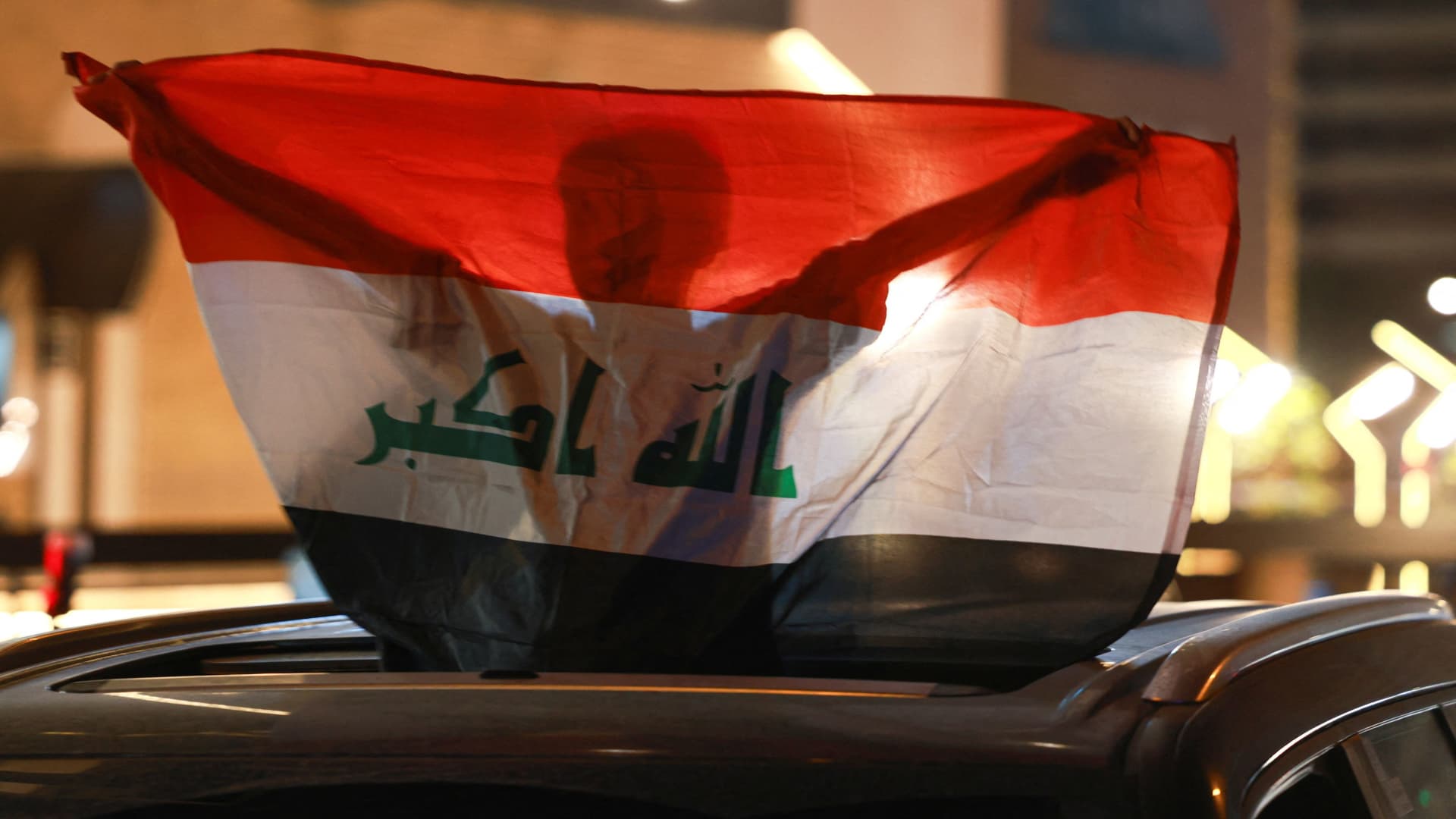
Iraq has officially ended a five-month period of political paralysis with the election of Nizar Amidi as the nation’s new president. A seasoned engineer and former aide to past presidents Jalal Talabani and Fouad Massoum, Amidi represents the Patriotic Union of Kurdistan. His victory in the parliamentary vote follows a contentious second round, as no candidate was able to secure the necessary two-thirds majority during the initial ballot. This appointment marks a critical step toward restoring institutional stability in a country that has struggled to form a government since its last parliamentary elections.
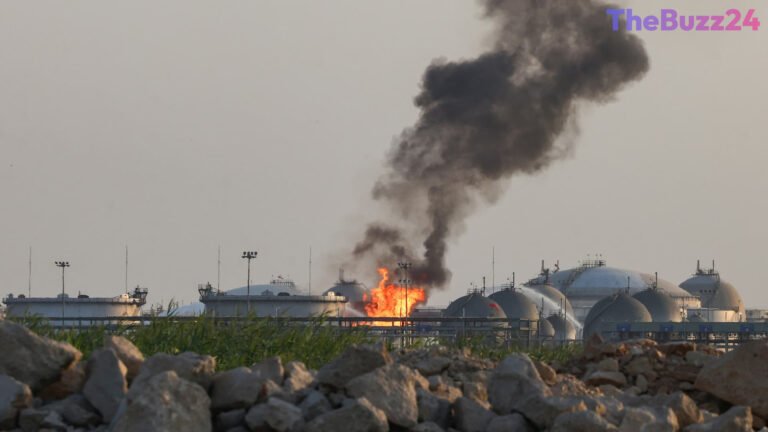
The new administration assumes power during a period of extreme regional instability. Iraq is currently navigating the fallout of escalating tensions between the United States, Israel, and Iran, which have manifested in frequent militia activity and airstrikes. These security challenges have been compounded by disruptions to the Strait of Hormuz, a vital maritime artery for global trade. The resulting impact on Iraq’s oil exports has placed severe strain on the national economy, leaving the new leadership with little time to address domestic financial crises.
With the presidency secured, the legislative focus now shifts to the formation of a functional government. Under constitutional mandates, Amidi has a 15-day window to task the largest parliamentary bloc with nominating a Prime Minister. The Shiite Coordination Framework, which holds the most influence in the current parliament, is expected to lead these negotiations. The selection of a Prime Minister will be the ultimate test of the new government’s ability to unify a fractured political landscape and address the urgent security and economic needs of the Iraqi people.
Key Takeaways
- Nizar Amidi has been elected President of Iraq, resolving a five-month political stalemate following the recent parliamentary elections.
- The new administration faces immediate challenges, including regional military tensions and economic instability caused by disrupted oil exports.
- The President must now task the largest parliamentary bloc with nominating a Prime Minister within a 15-day constitutional timeframe.
Editor’s Analysis & Impact
The election of Nizar Amidi is a necessary, albeit preliminary, step toward stabilizing Iraq’s volatile political environment. However, the presidency in Iraq is largely ceremonial, meaning the true test of governance lies in the upcoming selection of a Prime Minister and the subsequent formation of a cabinet. The country remains caught in a precarious geopolitical vice, with its economy heavily reliant on oil exports that are currently threatened by regional maritime blockades and proxy conflicts. Investors and international observers will be watching closely to see if the new government can maintain a neutral stance amidst the escalating friction between Iran and Western powers. Failure to form a cohesive, effective government could lead to further civil unrest and exacerbate the existing economic downturn, potentially necessitating significant international intervention to prevent a total collapse of state services.
Frequently Asked Questions
Q: What is the primary role of the President of Iraq?
A: The presidency in Iraq is largely a ceremonial role, serving as a symbol of national unity and tasked with constitutional duties such as appointing a Prime Minister from the largest parliamentary bloc.
Q: Why has Iraq's economy been under pressure recently?
A: Iraq's economy is suffering due to regional geopolitical tensions that have disrupted oil exports, particularly through the Strait of Hormuz, combined with internal political instability that has delayed government policy implementation.
AI Disclosure: This article is based on verified data and official reports. Our Team and AI have cross-referenced every financial detail with primary sources to ensure total accuracy.
More from this Category