Global Energy Markets Brace for Chaos as Strait of Hormuz Blockade Takes Effect
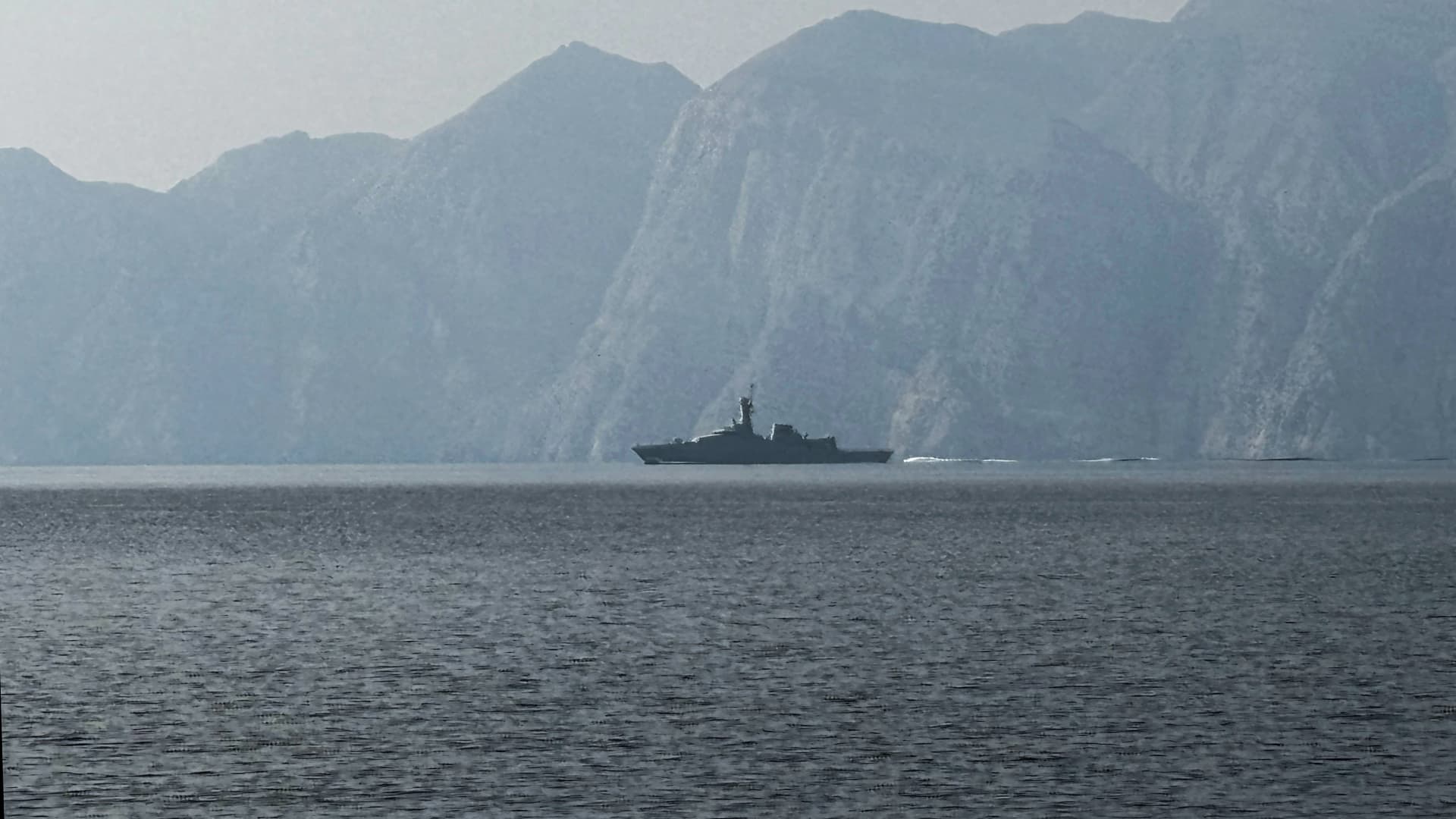
The global energy landscape has been thrown into sudden instability following a directive from President Donald Trump to implement a naval blockade at the Strait of Hormuz. This strategic move, which restricts all maritime traffic to and from Iranian ports, comes in the wake of failed diplomatic negotiations between Washington and Tehran regarding regional security and nuclear concerns. The immediate financial fallout was evident as WTI crude futures surged by 8% and Brent crude rose by 7% almost instantly.
As a critical maritime artery, the Strait of Hormuz is responsible for the transit of roughly 20% of the world’s daily oil supply. The sudden closure of this passage has ignited fears of a massive supply deficit, with market analysts warning that oil prices could potentially reach $150 per barrel. Such a spike would likely trigger widespread inflationary pressures, driving up the costs of everything from agricultural fertilizers to essential industrial components like semiconductor-grade helium.
Geopolitical tensions are mounting as the international community reacts to the blockade. China, a major importer of Iranian oil, finds itself in a precarious position as the U.S. threatens trade tariffs if Beijing provides military assistance to Tehran. Furthermore, legal experts are debating the legitimacy of the blockade under international maritime law, while the risk of a direct military confrontation with the Islamic Revolutionary Guard Corps continues to loom over global security.
While the outlook is grim, some industry observers believe the global economy may possess more resilience than in previous energy crises. The ongoing shift toward diversified energy sources, including wind, solar, and nuclear power, may help buffer the impact of the oil disruption. However, the situation remains extremely volatile as investors and shipping firms navigate the thin line between managing energy costs and avoiding the fallout of a full-scale military conflict.
Key Takeaways
- A U.S.-led naval blockade of the Strait of Hormuz has caused an immediate spike in global oil prices, with WTI and Brent crude seeing significant gains.
- The closure threatens to disrupt 20% of the world's oil supply, potentially driving prices toward $150 per barrel and fueling global inflation.
- Escalating geopolitical tensions involve China and legal debates over maritime transit rights, increasing the risk of military conflict.
Editor’s Analysis & Impact
The blockade of the Strait of Hormuz represents a significant ‘black swan’ event that shifts the global economic focus from recovery to immediate energy security. The primary market impact is a sharp increase in the risk premium for energy commodities, which will likely force central banks to reconsider interest rate policies if inflation spikes. From an industry perspective, this event will likely accelerate the push for energy independence and the diversification of supply chains away from volatile regions. The long-term outlook depends heavily on whether this is a temporary tactical maneuver or a sustained military posture. If the blockade persists, we expect a significant contraction in global GDP growth, particularly in emerging markets that lack the fiscal buffers to absorb sustained energy price shocks.
Frequently Asked Questions
Q: Why is the Strait of Hormuz critical to the global economy?
A: It is a vital maritime chokepoint through which approximately 20% of the world's daily oil supply passes.
Q: How could this blockade affect everyday consumers?
A: Rising oil prices typically increase the cost of transportation, manufacturing, and raw materials, leading to higher prices for goods like food and electronics.
AI Disclosure: This article is based on verified data and official reports. Our Team and AI have cross-referenced every financial detail with primary sources to ensure total accuracy.
More from this Category