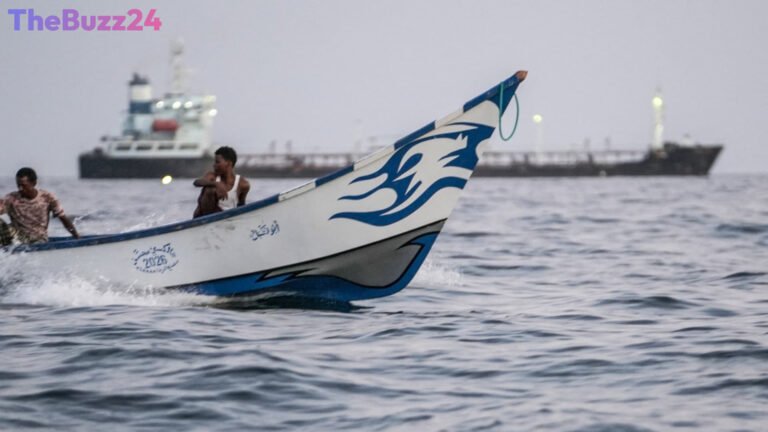
Escalating Tensions: Philippines Accuses Chinese Vessels of Cyanide Dumping in South China Sea
The Philippine government has formally accused Chinese fishermen of deploying cyanide in the waters surrounding the Spratly Islands, a move Manila describes as a deliberate act of sabotage. Officials allege that the chemical poisoning is intended to destroy local fish stocks, thereby threatening the food security of Filipino military personnel stationed at the Second Thomas Shoal. The Chinese government has rejected these allegations, labeling them as entirely fabricated and unworthy of serious consideration.
According to the Philippine National Security Council, the use of cyanide has been documented near the BRP Sierra Madre, a grounded World War II-era vessel that serves as a permanent military outpost. Beyond the immediate impact on food supplies, authorities warn that the chemical contamination poses severe health risks to troops and causes irreversible damage to the delicate coral reef ecosystems that support the region’s biodiversity. The Philippine Navy has reported the seizure of multiple containers of cyanide from small boats linked to Chinese fishing fleets, and military observers claim to have witnessed direct poisoning activities in recent months.
Cyanide fishing is strictly prohibited under Philippine law and regional environmental standards due to its destructive nature. The South China Sea remains one of the world’s most volatile maritime regions, characterized by overlapping territorial claims and intense competition over natural resources and vital shipping lanes. As Manila prepares to file formal diplomatic protests, the Philippine military has increased patrol frequency in the area. This development follows a series of violent maritime confrontations, further complicating the geopolitical landscape as the Philippines strengthens its defense ties through joint exercises with international partners like the United States and Australia.
Key Takeaways
- The Philippines alleges that Chinese fishermen are using cyanide to sabotage food supplies and destroy coral reefs near the Second Thomas Shoal.
- Chinese officials have dismissed the accusations as a fabrication, maintaining that the claims are baseless.
- The incident occurs amid a broader pattern of maritime friction, leading the Philippines to increase naval patrols and deepen security cooperation with international allies.
Editor’s Analysis & Impact
The allegations of environmental sabotage in the South China Sea represent a significant escalation in the ongoing territorial dispute between Manila and Beijing. By targeting the food security and ecological stability of the Spratly Islands, the conflict has shifted from purely geopolitical posturing to a direct threat against the sustainability of the region’s marine resources. From a market and industry perspective, this instability threatens the safety of critical global shipping lanes and complicates the potential for future energy exploration in the area. The involvement of international powers like the U.S. and Australia in joint maritime drills suggests that the region will remain a focal point of global tension, likely leading to increased defense spending and a more militarized approach to maritime resource management in the coming years.
Frequently Asked Questions
Q: Why is cyanide used in fishing, and why is it illegal?
A: Cyanide is historically used to stun fish, making them easier to catch for the live reef trade. It is illegal because it kills non-target species, destroys coral reefs, and poses long-term health risks to the marine ecosystem and human consumers.
Q: What is the significance of the BRP Sierra Madre?
A: The BRP Sierra Madre is a World War II-era ship intentionally grounded by the Philippines at the Second Thomas Shoal in 1999. It serves as a permanent military outpost to assert Philippine sovereignty over the disputed territory.
AI Disclosure: This article is based on verified data and official reports. Our Team and AI have cross-referenced every financial detail with primary sources to ensure total accuracy.
More from this Category