Motorists Increasingly Turn to Tribal Fuel Stations to Combat Rising State Taxes
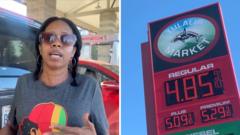
As fuel prices remain a significant burden for households across the United States, a growing number of drivers are strategically choosing to refuel at gas stations located on Native American tribal lands. This shift in consumer behavior is particularly evident in states such as California, New York, Washington, New Mexico, and Oklahoma, where motorists are actively seeking out these locations to mitigate the impact of high state-imposed fuel taxes.
The competitive advantage held by these stations is rooted in their unique legal status. Because tribal territories operate under sovereign authority, they are exempt from the state fuel taxes that typically inflate the price per gallon at conventional commercial gas stations. By bypassing these state levies, tribal retailers can offer gasoline at a lower price point, making them an attractive option for commuters and long-distance travelers alike.
While the presence of these stations is a long-standing feature of the American landscape, the current inflationary environment has accelerated their popularity. As household budgets face ongoing pressure, the ability to save even a few cents per gallon has driven a noticeable increase in traffic to these sites. This trend underscores a broader consumer movement toward cost-saving measures, as drivers increasingly prioritize regional tax disparities when planning their travel and refueling stops.
Key Takeaways
- Drivers are increasingly using tribal gas stations to avoid state-imposed fuel taxes.
- Tribal sovereignty allows these stations to offer lower prices compared to off-reservation competitors.
- Economic inflation is a primary driver behind the shift in consumer refueling habits.
Editor’s Analysis & Impact
The migration of motorists toward tribal fuel stations highlights a growing sensitivity to regional tax disparities in an era of persistent inflation. From a market perspective, this trend creates a localized competitive disadvantage for traditional retailers operating just outside tribal borders, who cannot match the price points enabled by tax exemptions. Looking ahead, if state fuel taxes continue to rise to fund infrastructure or environmental initiatives, we can expect this consumer behavior to solidify, potentially forcing traditional gas stations to innovate their business models—perhaps by diversifying into convenience retail or EV charging—to retain customer loyalty. The broader implication is a shift in how regional tax policy directly influences daily consumer logistics, as drivers become increasingly adept at navigating jurisdictional boundaries to optimize their personal spending.
Frequently Asked Questions
Q: Why is gas cheaper on tribal lands?
A: Gas is often cheaper on tribal lands because these territories are sovereign and are generally exempt from state-level fuel taxes that apply to off-reservation retailers.
Q: Is it legal to buy gas at tribal stations?
A: Yes, it is perfectly legal for the general public to purchase fuel at gas stations located on tribal lands, provided the stations are open to the public.
AI Disclosure: This article is based on verified data and official reports. Our Team and AI have cross-referenced every financial detail with primary sources to ensure total accuracy.
More from this Category