Tensions Surge as U.S. Enforces Naval Blockade on Iranian Ports
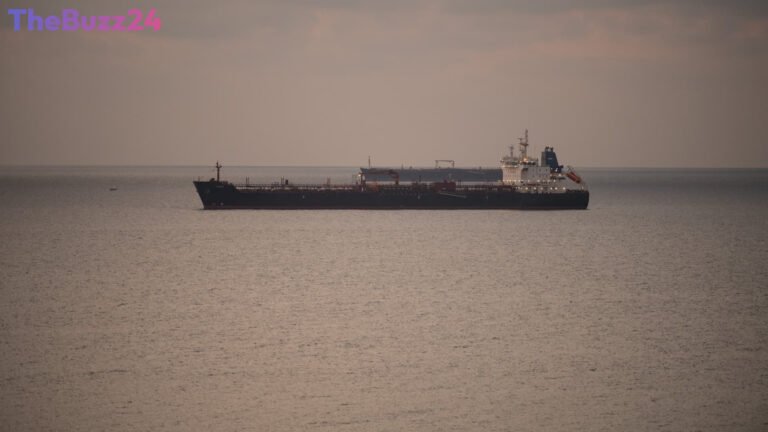
The United States has officially commenced a naval blockade of Iranian ports this Monday, marking a dramatic escalation in geopolitical hostilities following the collapse of recent diplomatic peace talks. The move establishes a maritime exclusion zone intended to restrict Iranian shipping, a decision that has immediately heightened concerns regarding regional stability and the security of critical global trade routes.
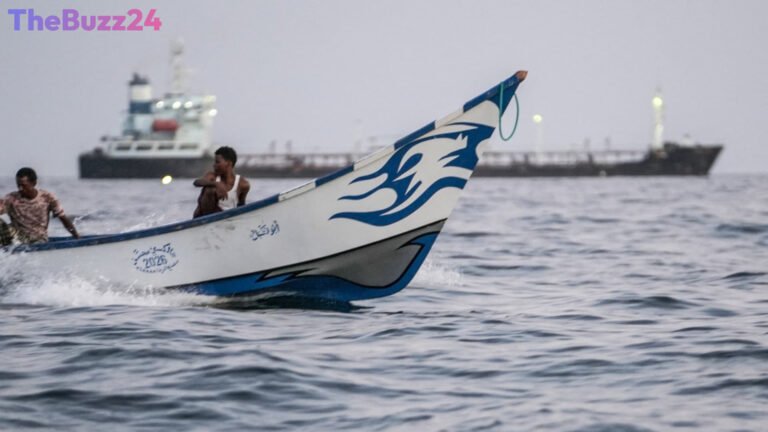
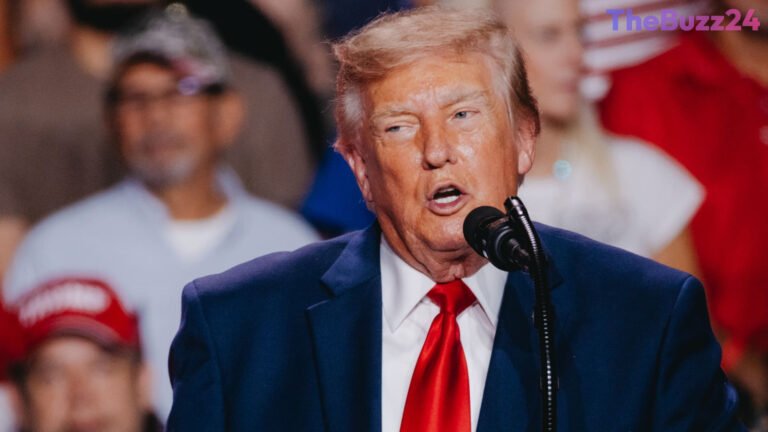
President Donald Trump addressed the situation directly, issuing a stern warning to Iranian forces. He explicitly stated that any fast-attack vessels attempting to challenge or breach the blockade would face immediate military action. This declaration serves as a clear signal of the administration’s intent to enforce the maritime restrictions with force, further raising the stakes for all naval activity in the region.
The blockade follows a series of volatile military incidents, including reports of a downed U.S. warplane over Iranian territory. While search and rescue operations for a missing American airman are reportedly underway, the situation on the ground remains fluid. In response to the heightened rhetoric and the threat of potential strikes against infrastructure, authorities in Tehran have advised citizens to congregate near locations identified as potential targets for U.S. or Israeli military action.
This latest development represents a significant deterioration in relations, building upon previous U.S. demands regarding the freedom of navigation through the Strait of Hormuz. As military assets move into position and diplomatic channels remain closed, the international community is bracing for the potential economic and security consequences of a prolonged maritime standoff.
Key Takeaways
- The U.S. has initiated a naval blockade of Iranian ports following the failure of recent peace negotiations.
- President Trump has authorized the immediate elimination of any Iranian vessels that attempt to breach the newly established maritime exclusion zone.
- Regional tensions are further exacerbated by reports of a downed U.S. aircraft and ongoing search operations for a missing airman.
Editor’s Analysis & Impact
The implementation of a naval blockade against Iran represents a critical inflection point in Middle Eastern security. By targeting the Strait of Hormuz—a vital artery for global energy supplies—the U.S. is effectively leveraging economic pressure to force a strategic shift in Tehran’s regional policy. However, this strategy carries immense risk; the potential for miscalculation in such a congested maritime environment is high, and any kinetic engagement could rapidly spiral into a broader conflict. Markets are likely to react with volatility, particularly regarding oil futures, as the threat to shipping lanes remains the primary concern for global supply chains. The long-term outlook remains grim, as the breakdown of diplomatic talks suggests that both nations are currently prioritizing military posturing over de-escalation, leaving little room for a peaceful resolution in the immediate future.
Frequently Asked Questions
Q: What is the primary purpose of the U.S. naval blockade on Iran?
A: The blockade is intended to restrict Iranian maritime activity and enforce U.S. demands following the collapse of peace negotiations, specifically concerning the security of the Strait of Hormuz.
Q: How has the Iranian government responded to the increased military pressure?
A: Tehran has urged its citizens to gather near sites identified as potential U.S. or Israeli targets in anticipation of potential military strikes.
AI Disclosure: This article is based on verified data and official reports. Our Team and AI have cross-referenced every financial detail with primary sources to ensure total accuracy.
More from this Category