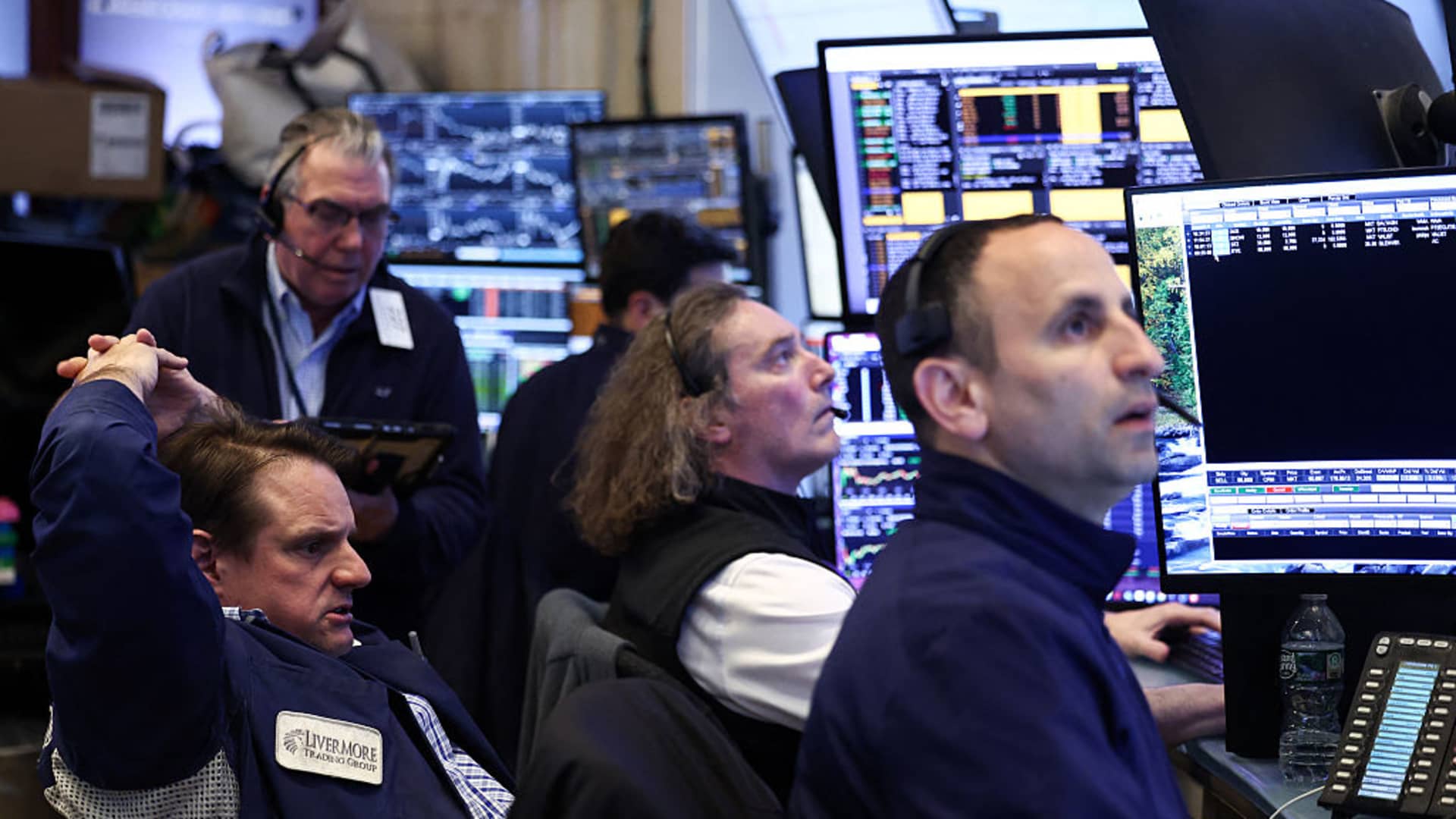
Global Markets Stabilize as Diplomatic Hopes Emerge in U.S.-Iran Tensions
Global stock markets are showing signs of recovery as investor sentiment shifts toward optimism regarding a potential diplomatic breakthrough between the United States and Iran. Following a period of heightened geopolitical volatility, futures for major U.S. indices, including the S&P 500, Dow Jones, and Nasdaq-100, have trended upward, signaling a rebound from recent losses. This renewed confidence follows signals from leadership suggesting that a resolution to the ongoing conflict may be within reach, helping to soothe fears that had previously rattled international trade.
Energy markets, which were significantly impacted by the recent escalation, are experiencing a period of correction. After a sharp spike in crude oil prices driven by concerns over supply disruptions in the Strait of Hormuz, both West Texas Intermediate and Brent crude have retreated slightly. This cooling in oil prices reflects a market that is cautiously pricing in the possibility of de-escalation, though traders remain vigilant regarding any further developments in the region.
In the Asia-Pacific region, trading sessions concluded on a positive note, with major indices in Japan, Australia, and China posting gains. Investors in these markets appear to be aligning with the broader global trend of favoring risk-on assets. Meanwhile, domestic focus is shifting toward the financial sector as major institutions prepare to release their quarterly earnings reports. With banking giants like JPMorgan Chase and Wells Fargo set to report, market participants are looking for indicators of economic health that can withstand the pressures of fluctuating energy costs and shifting interest rate environments.
Key Takeaways
- Global stock futures are rising on renewed optimism for a diplomatic resolution between the U.S. and Iran.
- Crude oil prices have begun to stabilize and retreat following a sharp spike caused by regional geopolitical tensions.
- Investors are pivoting their focus toward upcoming major bank earnings reports to gauge the resilience of the financial sector.
Editor’s Analysis & Impact
The current market environment is defined by a delicate balance between geopolitical risk and corporate performance. The sensitivity of oil prices to the U.S.-Iran situation highlights how vulnerable global supply chains remain to regional instability. While the recent rally suggests that investors are eager to move past the conflict, the volatility in energy prices serves as a reminder that inflation and interest rate concerns are still heavily influenced by external shocks. Looking ahead, the upcoming earnings season will be the true test of market resilience. If major financial institutions report strong fundamentals despite the macroeconomic headwinds, it could provide the necessary momentum to sustain the current recovery. However, any negative surprises in these reports could quickly reverse the gains, as the market remains highly reactive to both political headlines and bottom-line corporate data.
Frequently Asked Questions
Q: Why did oil prices fluctuate so significantly recently?
A: Oil prices surged due to fears of supply disruptions in the Strait of Hormuz, a critical maritime chokepoint, but corrected downward as diplomatic hopes for a U.S.-Iran deal emerged.
Q: What are investors watching for in the upcoming bank earnings?
A: Investors are looking for signs of financial stability and growth in the banking sector, specifically monitoring how these institutions are navigating the challenges of elevated interest rates and volatile market conditions.
AI Disclosure: This article is based on verified data and official reports. Our Team and AI have cross-referenced every financial detail with primary sources to ensure total accuracy.
More from this Category