Australia Secures First Criminal Conviction in Landmark Deepfake Pornography Case
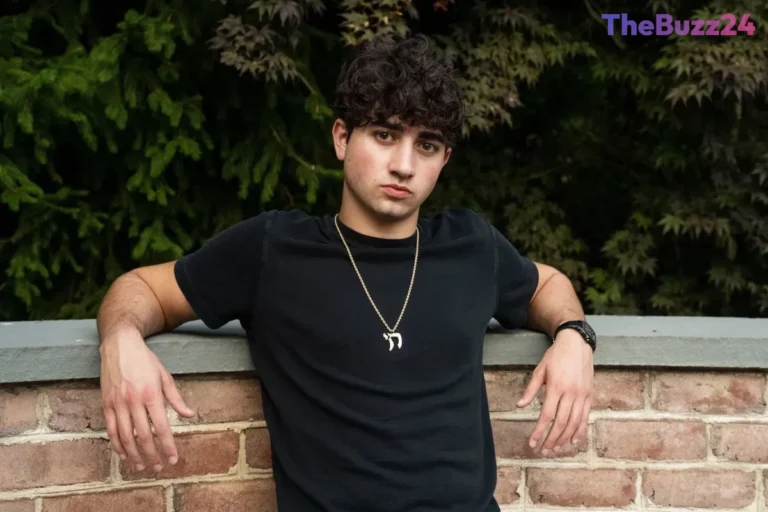
A 19-year-old Australian man has entered a guilty plea in a landmark legal case, marking the nation’s first criminal conviction for the creation and distribution of non-consensual deepfake pornography. William Hamish Yeates pleaded guilty to four charges, including the unauthorized alteration of sexual imagery and the use of digital services to harass individuals. This case represents a significant milestone in the enforcement of federal legislation aimed at curbing the proliferation of AI-generated sexual abuse.
While the defendant initially faced 20 Commonwealth charges, prosecutors dropped several counts following his admission of guilt. Court documents detailed how Yeates disseminated illicit, manipulated imagery of a victim across multiple accounts on the social media platform X without consent. The defendant is currently awaiting a sentencing hearing scheduled for April, with the potential for a maximum prison term of seven years under current national statutes.
The rise of AI-driven deepfake technology has become a focal point for digital safety advocates and legal experts, who view it as a dangerous new frontier in gender-based violence. Statistical data presented to parliament indicates that explicit deepfake content has increased by more than 550% annually since 2019. Research further highlights that approximately 99% of these manipulated images target women and girls, with the vast majority of such content being pornographic in nature.
In light of these trends, the eSafety Commission in Australia has ramped up efforts to regulate and remove AI-powered tools capable of generating non-consensual explicit material. This case highlights the urgent intersection of artificial intelligence, individual privacy rights, and the ongoing struggle of the legal system to address the rapid evolution of technology used for targeted harassment.
Key Takeaways
- A 19-year-old Australian man has become the first person in the country convicted for creating and distributing non-consensual deepfake pornography.
- The defendant faces a maximum sentence of seven years in prison, with a sentencing hearing set for April.
- Data shows a 550% annual surge in explicit deepfake content since 2019, with 99% of victims being women and girls.
Editor’s Analysis & Impact
This conviction serves as a critical precedent for global legal systems currently grappling with the rapid advancement of generative AI. As deepfake technology becomes more accessible and easier to use, the legal framework is being forced to evolve from traditional harassment laws to specific digital-age statutes. The market impact is twofold: it signals a tightening of the regulatory environment for AI developers, who may soon face stricter liability for how their tools are utilized, and it highlights a growing demand for robust digital verification and content-moderation technologies. Moving forward, we expect to see more nations adopting similar legislation to protect individuals from AI-facilitated abuse, likely leading to increased pressure on social media platforms to implement proactive detection systems to mitigate the spread of non-consensual imagery.
Frequently Asked Questions
Q: What is the maximum penalty for this crime in Australia?
A: Under current federal legislation, the maximum penalty for the creation and distribution of non-consensual deepfake pornography is seven years in prison.
Q: How prevalent is deepfake pornography according to recent data?
A: Research indicates that explicit deepfake content has surged by over 550% annually since 2019, with approximately 99% of these manipulated images targeting women and girls.
AI Disclosure: This article is based on verified data and official reports. Our Team and AI have cross-referenced every financial detail with primary sources to ensure total accuracy.
More from this Category