Beef Prices Hit Record Highs Amid Historic Cattle Herd Contraction
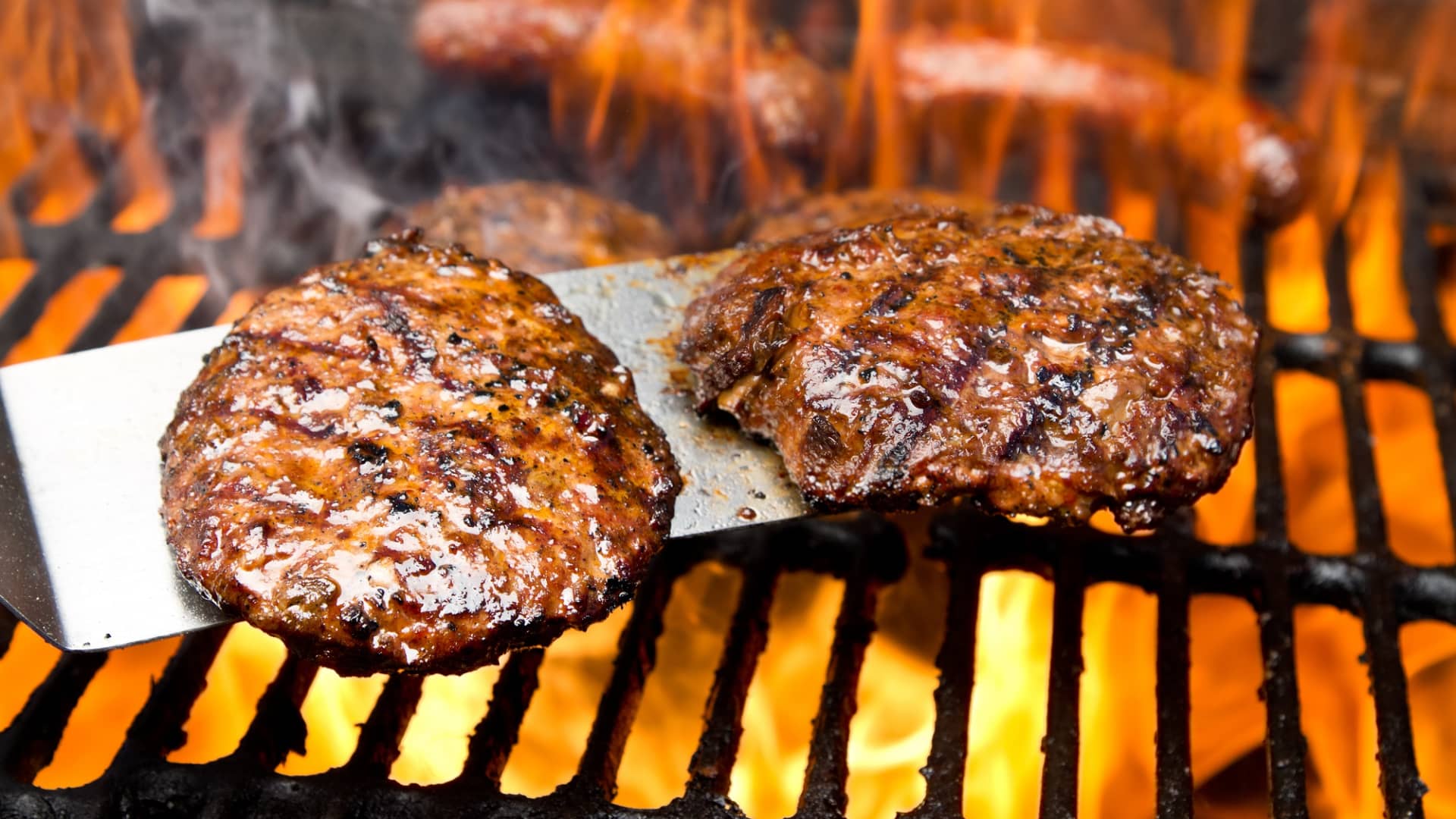
The price of live cattle has surged to an unprecedented $2.51 per pound, marking the highest valuation since record-keeping began in the 1960s. This represents a staggering 25% increase over the past year, driven by a combination of shrinking herd sizes and rising operational expenses for ranchers. As the peak grilling season approaches, consumers are feeling the impact at the grocery store, where ground beef prices have climbed to approximately $6.70 per pound, a 12% increase compared to the previous year.
Agricultural data reveals that the U.S. cattle herd has contracted to its smallest size since the 1950s. This reduction in livestock is clearly reflected in processing numbers, with slaughter figures dropping to 2.2 million head in March, down from 2.5 million during the same month last year. While other protein markets like eggs and poultry have begun to stabilize, beef remains a persistent outlier, maintaining elevated price points despite broader cooling trends in the food sector.
Major restaurant chains, including McDonald’s, Chipotle, Shake Shack, and Cracker Barrel, are now facing significant pressure on their profit margins due to their heavy reliance on beef products. Beyond the supply chain issues, farmers are struggling with the rising costs of fuel and fertilizer, which have severely impacted their bottom lines. These inflationary pressures are not limited to meat; other grocery staples, such as tomatoes, have also reached their highest price levels in over eight years, further straining household budgets as the holiday season nears.
Key Takeaways
- Live cattle futures have reached a historic high of $2.51 per pound, the highest level since the 1960s.
- The U.S. cattle herd is at its smallest size since the 1950s, leading to a significant drop in slaughter numbers.
- Major restaurant chains are facing margin pressure, while consumers encounter higher prices for beef and other grocery staples.
Editor’s Analysis & Impact
The current surge in beef prices represents a structural supply-side crisis rather than a temporary inflationary spike. With the cattle herd at a multi-decade low, the biological lag time required to rebuild livestock numbers suggests that high prices will likely persist for the foreseeable future. This creates a challenging environment for the restaurant industry, which must choose between absorbing higher input costs or passing them on to consumers, potentially dampening demand. Furthermore, the convergence of high fuel and fertilizer costs with reduced livestock availability indicates that the agricultural sector is facing a period of sustained volatility. Investors should monitor how major food chains adjust their menus and pricing strategies, as the inability to pass on these costs could lead to significant earnings compression in the coming quarters.
Frequently Asked Questions
Q: Why are beef prices currently so high?
A: Beef prices are high primarily due to a significant reduction in the U.S. cattle herd, which is at its smallest size since the 1950s, combined with rising operational costs for farmers such as fuel and fertilizer.
Q: Are other food items experiencing similar price increases?
A: Yes, while beef is a notable outlier in its sustained price growth, other grocery items like tomatoes have also reached their highest price levels in over eight years.
AI Disclosure: This article is based on verified data and official reports. Our Team and AI have cross-referenced every financial detail with primary sources to ensure total accuracy.
More from this Category