Trump Downplays Gas Price Concerns Amidst Voter Blame
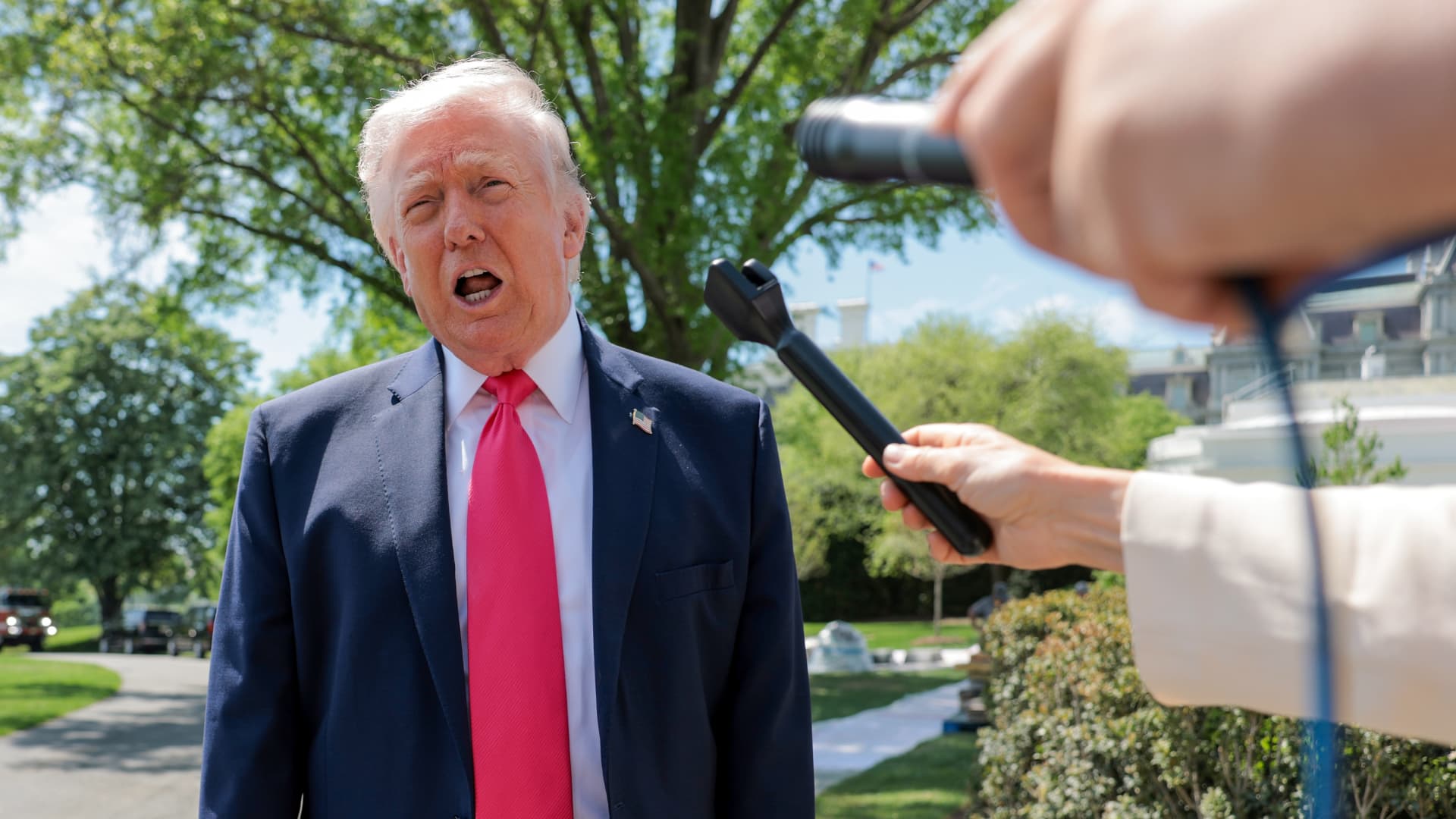
President Donald Trump asserted on Thursday that current gasoline prices are “not very high,” despite a recent surge that has led a majority of U.S. voters to hold him responsible for the increase. The sentiment comes as the nation grapples with the economic fallout from the ongoing conflict with Iran.
Responding to a reporter’s question at the White House, Trump suggested that prices have actually seen a decline in recent days. He further contextualized the situation by noting that the current prices are lower than what might have been anticipated given the military actions against Iran, which he stated were aimed at preventing the nation from acquiring nuclear weapons. “Gas prices have come down very much in the last three or four days,” Trump remarked.
However, data from AAA indicates a significant rise in fuel costs since the beginning of the year. The average price for regular gasoline has climbed approximately 49% since January 2026, reaching an average of $4.093 per gallon by Thursday. Diesel fuel prices have also seen a substantial increase, moving from just over $3.50 per gallon in January to around $5.65 per gallon. These figures contrast with the President’s assessment of the current market.
A Quinnipiac University poll released this week revealed that 65% of registered voters surveyed believe Trump bears at least some blame for the elevated gas prices. The same poll also indicated a dip in voter approval for Trump’s handling of the economy, with only 38% expressing satisfaction, matching previous lows recorded during his presidency. The poll, which surveyed 1,028 registered voters, has a margin of error of 3.8 percentage points.
Key Takeaways
- President Trump stated that current gas prices are "not very high" and have recently decreased.
- A Quinnipiac University poll shows 65% of U.S. voters blame Trump for the rise in gas prices.
- Gasoline prices have risen significantly since the start of 2026, with average prices nearing $4.10 per gallon.
Editor’s Analysis & Impact
The disconnect between President Trump’s assessment of gas prices and voter perception highlights a critical challenge in managing public opinion during economic fluctuations. While the administration may point to geopolitical factors and stock market performance as indicators of success, the direct impact of rising fuel costs on household budgets is a potent political liability. This situation underscores the delicate balance between foreign policy objectives and domestic economic concerns, suggesting that future policy decisions will need to carefully consider their tangible effects on consumers to maintain public confidence and economic stability.
Frequently Asked Questions
Q: What did President Trump say about gas prices?
A: President Trump stated that gas prices are "not very high" and have recently come down over the past few days.
Q: How do gas prices compare to earlier in the year?
A: According to AAA, average regular gasoline prices have risen approximately 49% since the beginning of 2026, with diesel prices also seeing a significant increase.
Q: What is the public's view on Trump's role in gas prices?
A: A Quinnipiac University poll found that 65% of U.S. voters blame President Trump either "a lot" or "some" for the recent rise in gas prices.
AI Disclosure: This article is based on verified data and official reports. Our Team and AI have cross-referenced every financial detail with primary sources to ensure total accuracy.
More from this Category