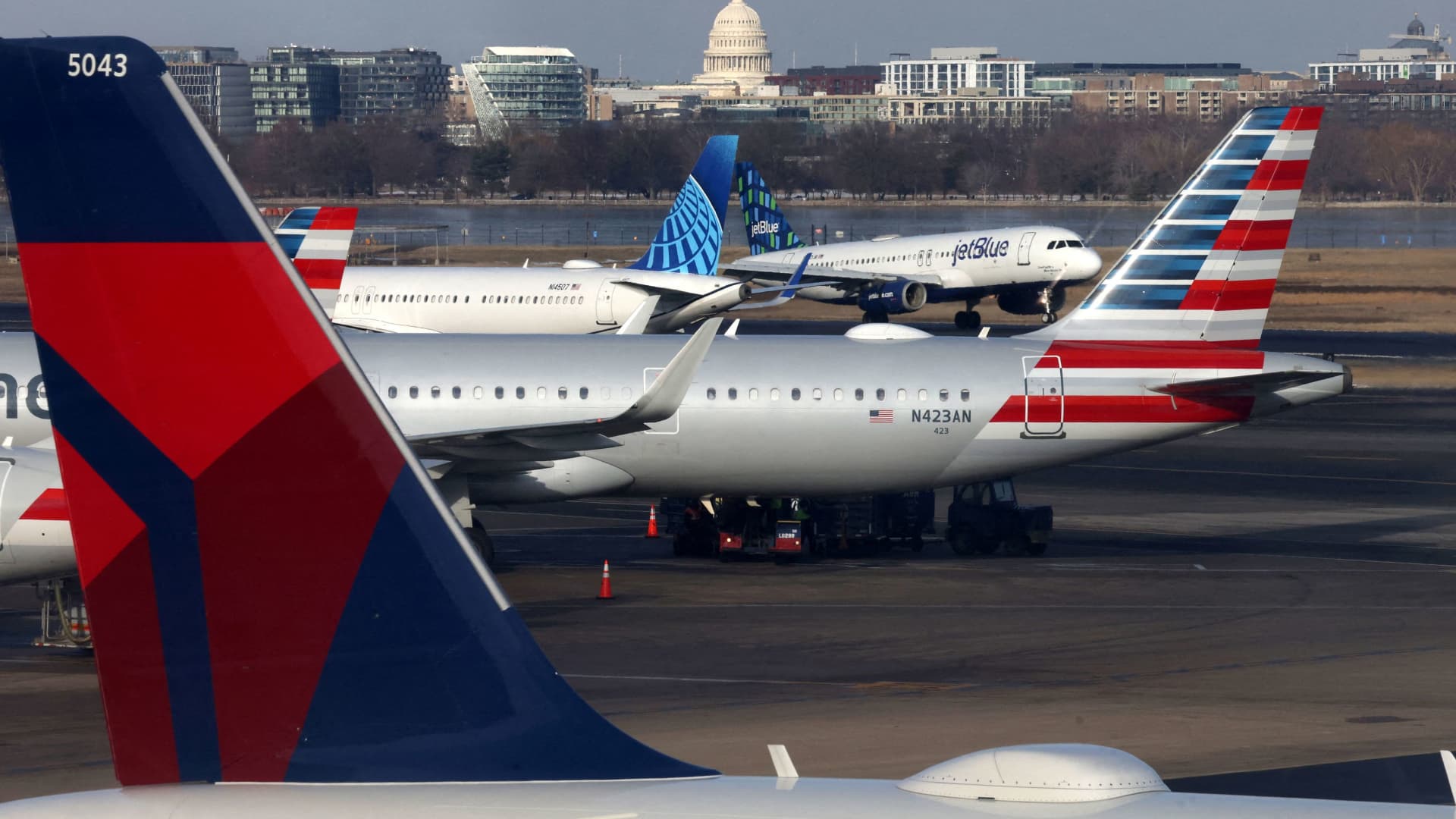
Airline Giants Face Pressure to Slash Ticket Prices Amid Stabilizing Fuel Costs
U.S. Representative Ritchie Torres has launched a formal inquiry into the pricing strategies of the nation’s leading domestic airlines. The investigation targets major carriers, including Delta Air Lines, United Airlines, JetBlue Airways, and Southwest Airlines, demanding that they lower airfares in response to stabilizing jet fuel prices. This move comes after a period of intense price volatility where airlines implemented various surcharges and increased baggage fees to offset rising energy costs.
The core of the argument rests on the principle of economic fairness. Torres contends that if airline pricing models are fundamentally linked to fuel expenditures, they must reflect downward adjustments when those costs subside. He pointed out a perceived imbalance in current pricing structures, noting that while costs escalate rapidly during periods of market volatility, they appear to remain fixed even when operational expenses decrease.
Fuel remains a massive operational burden for the aviation sector, ranking as the second-largest expense behind labor. While industry experts note that ticket pricing is influenced by a complex mix of passenger demand and capacity management, the scrutiny on major carriers is intensifying. As airlines prepare for upcoming financial disclosures, the public and lawmakers are watching closely to see if the benefits of lower energy costs will be passed on to travelers.
Key Takeaways
- Representative Ritchie Torres is demanding that major airlines lower ticket prices as jet fuel costs stabilize.
- The inquiry highlights concerns over airlines maintaining high profit margins despite decreasing operational expenses.
- Major carriers like Delta, United, JetBlue, and Southwest are under scrutiny regarding their pricing transparency.
Editor’s Analysis & Impact
The recent push for airline price transparency signals a growing political appetite to regulate how corporations manage commodity-driven costs. For years, the aviation industry has successfully passed fuel surcharges onto consumers, but the lack of a corresponding ‘refund’ mechanism when prices drop has created a significant public relations and regulatory risk. If major carriers like Delta and United fail to demonstrate a direct correlation between lower fuel costs and consumer savings, they may face more aggressive legislative oversight. This tension between maintaining robust profit margins—often driven by high-yield premium travelers—and addressing the affordability concerns of the general public will likely define the industry’s regulatory landscape in the coming years.
Frequently Asked Questions
Q: Why are airlines being scrutinized over their ticket prices?
A: Lawmakers are questioning why airfares remain high even when the cost of jet fuel, a major operational expense, begins to stabilize or decrease.
Q: Which airlines are involved in this inquiry?
A: The inquiry specifically targets major domestic carriers, including Delta Air Lines, United Airlines, JetBlue Airways, and Southwest Airlines.
AI Disclosure: This article is based on verified data and official reports. Our Team and AI have cross-referenced every financial detail with primary sources to ensure total accuracy.
More from this Category